Advanced Digital Integration and Smart Processing
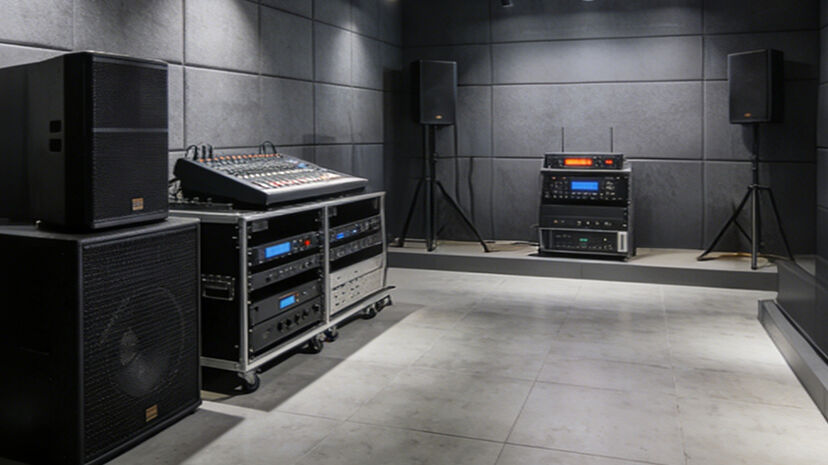
Modern line array sound systems represent the pinnacle of digital audio integration, incorporating sophisticated processing capabilities that transform these mechanical transducer arrays into intelligent acoustic instruments capable of adapting to any environment or application. The digital backbone of contemporary line array sound systems extends far beyond simple signal routing, encompassing comprehensive system management, predictive modeling, and real-time optimization that ensures peak performance under all operating conditions. Advanced digital signal processing within each line array sound system enables precise control over every aspect of acoustic performance, from individual driver response to complex multi-cabinet interactions. This processing power allows engineers to implement sophisticated crossover networks, apply precise delay compensation, and execute frequency response shaping that would be impossible with analog systems. The digital domain also facilitates advanced protection algorithms that monitor driver temperatures, excursion limits, and power levels to prevent damage while maximizing safe operating levels. These intelligent protection systems significantly extend equipment lifespan while reducing the risk of performance interruptions during critical events. The integration capabilities of modern line array sound systems extend to comprehensive network connectivity that enables centralized control and monitoring from anywhere within a venue or even remotely via internet connections. This networking capability allows sound engineers to monitor system health, adjust parameters, and diagnose issues without physically accessing the speakers themselves. The line array sound system can report detailed operational data including temperature readings, power consumption, and performance metrics that enable predictive maintenance scheduling and optimal system utilization. Predictive acoustic modeling represents perhaps the most revolutionary aspect of digital line array sound system integration. Sophisticated software platforms can accurately simulate system performance in three-dimensional venue models before any equipment is physically deployed. These modeling tools account for venue acoustics, audience absorption, environmental factors, and system configuration to predict coverage patterns, frequency response, and optimal positioning with remarkable accuracy. This predictive capability eliminates much of the guesswork traditionally associated with large-scale audio system design while ensuring optimal results for every application. The smart processing capabilities also enable automatic system optimization through real-time acoustic analysis. Advanced line array sound systems can analyze ambient acoustic conditions and automatically adjust processing parameters to maintain optimal performance as environmental conditions change throughout an event. This intelligent adaptation ensures consistent audio quality despite variations in temperature, humidity, audience density, and other factors that traditionally require manual compensation. The digital integration also facilitates seamless coordination with other production elements, enabling synchronized lighting effects, automated mixing console recalls, and integrated show control that elevates the overall production value while simplifying operation for technical crews.
 ×
×


 EN
EN