Advanced Acoustic Engineering and Design Capabilities
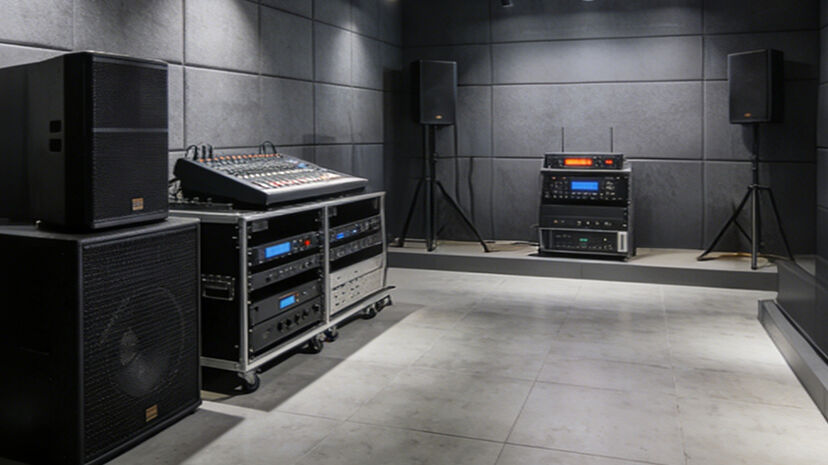
The most distinguishing characteristic of a premier line array system supplier lies in their sophisticated acoustic engineering capabilities and innovative design methodologies that set industry benchmarks for audio performance. These suppliers employ teams of specialized acousticians, electrical engineers, and software developers who collaborate to create loudspeaker systems that deliver unprecedented sound quality and coverage consistency. The engineering process begins with extensive research into driver technology, where suppliers develop custom transducers optimized specifically for line array applications, incorporating advanced materials like neodymium magnets, carbon fiber diaphragms, and proprietary suspension systems that enhance both power handling and frequency response characteristics. Computer modeling plays a crucial role in this process, as leading line array system suppliers utilize sophisticated finite element analysis software to optimize enclosure designs, port configurations, and internal bracing structures that minimize unwanted resonances while maximizing acoustic output. The design capabilities extend to developing proprietary digital signal processing algorithms that provide precise control over crossover functions, time alignment, and protection circuits, ensuring each driver operates within optimal parameters while contributing to the overall system coherence. Advanced line array system suppliers also invest heavily in anechoic chamber testing facilities and computer-controlled measurement systems that validate theoretical designs against real-world performance parameters, allowing continuous refinement of acoustic characteristics. This comprehensive approach to engineering enables suppliers to offer products with predictable performance characteristics that can be accurately modeled using specialized software tools, giving system designers confidence in achieving desired coverage patterns and sound levels. The result is line array systems that exhibit superior pattern control, extended frequency response, high power efficiency, and exceptional reliability compared to conventional loudspeaker designs. These engineering advantages translate directly into practical benefits for customers, including reduced installation complexity, lower operational costs, and consistently superior audio quality that enhances the audience experience while meeting stringent professional audio standards.
 ×
×


 EN
EN