passive line array speakers
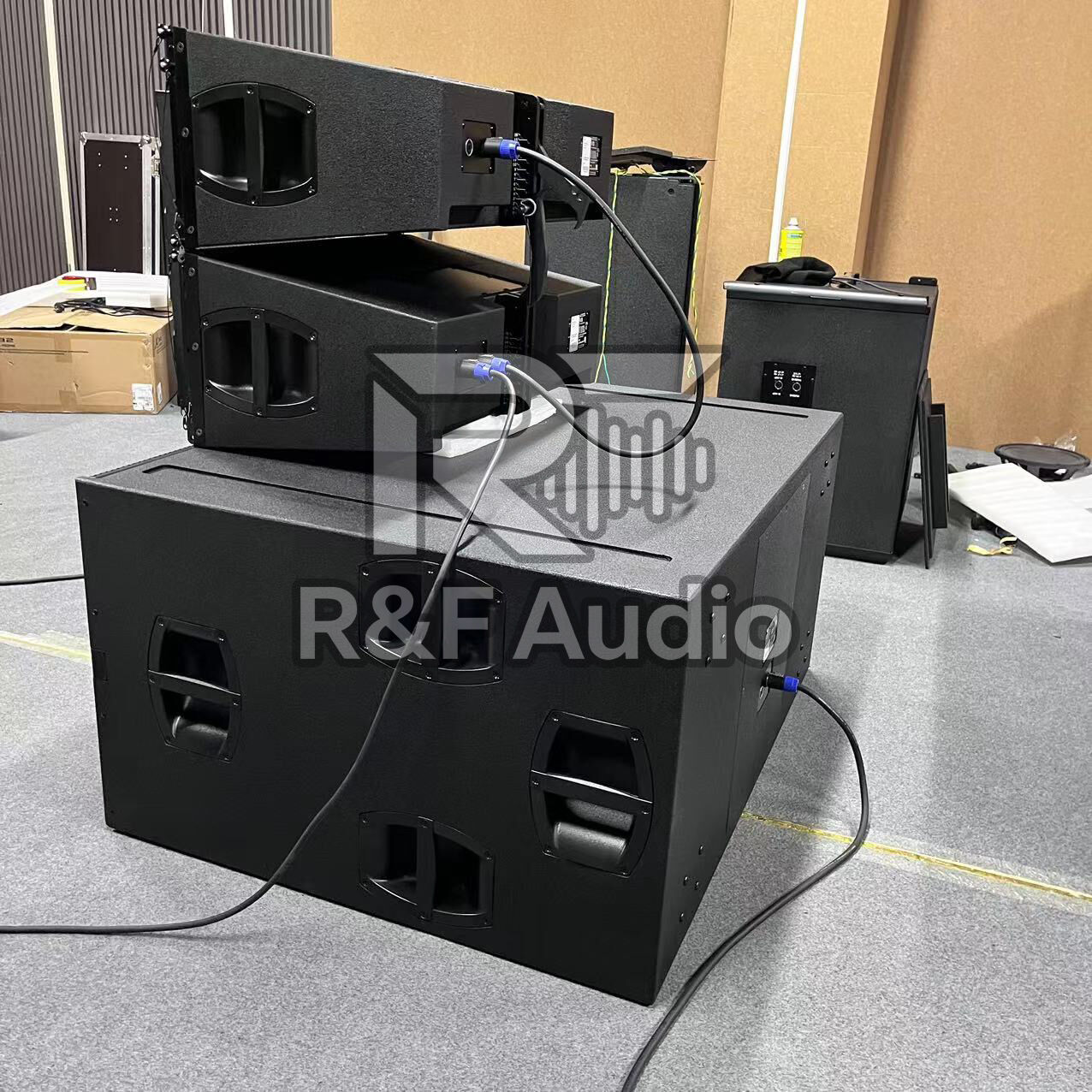
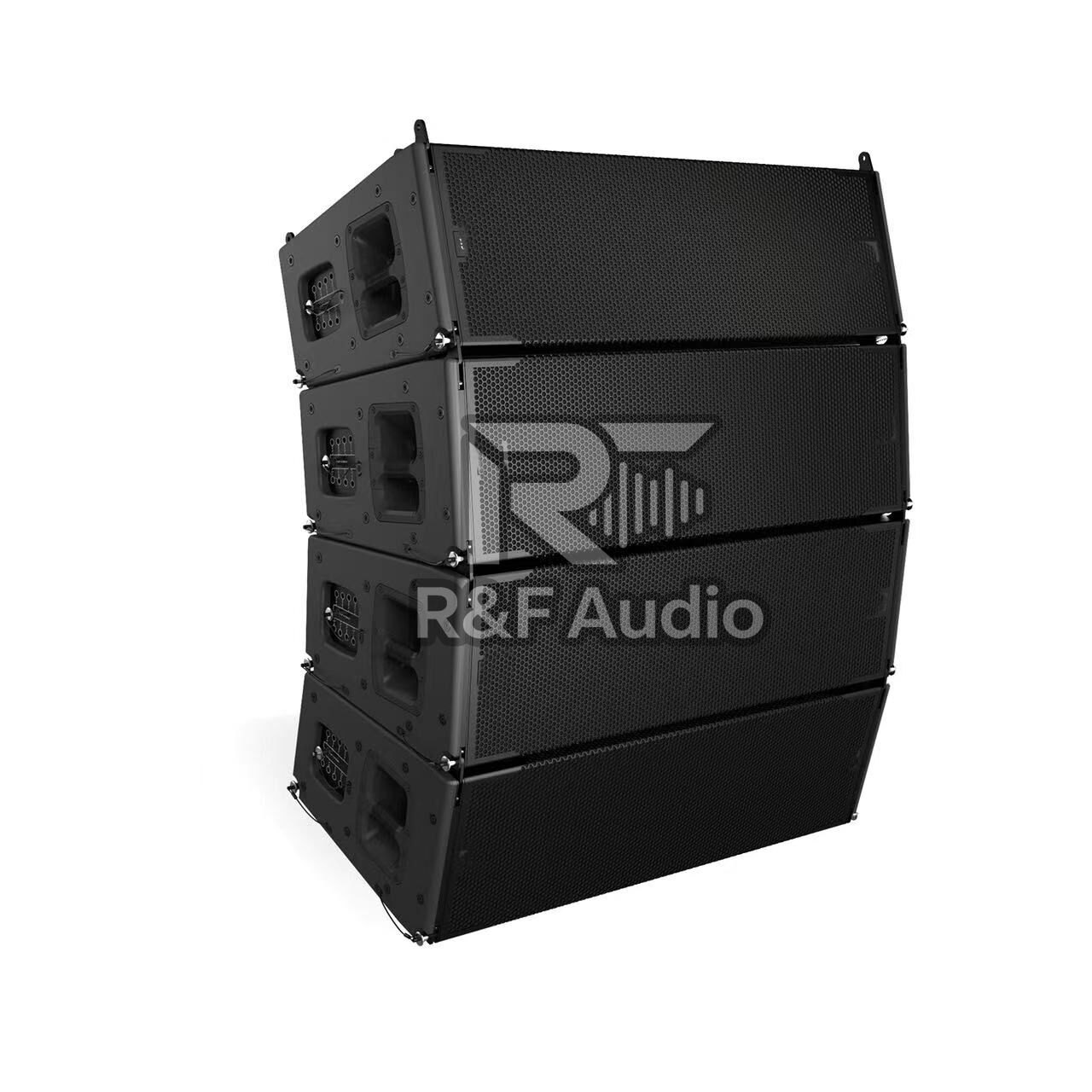
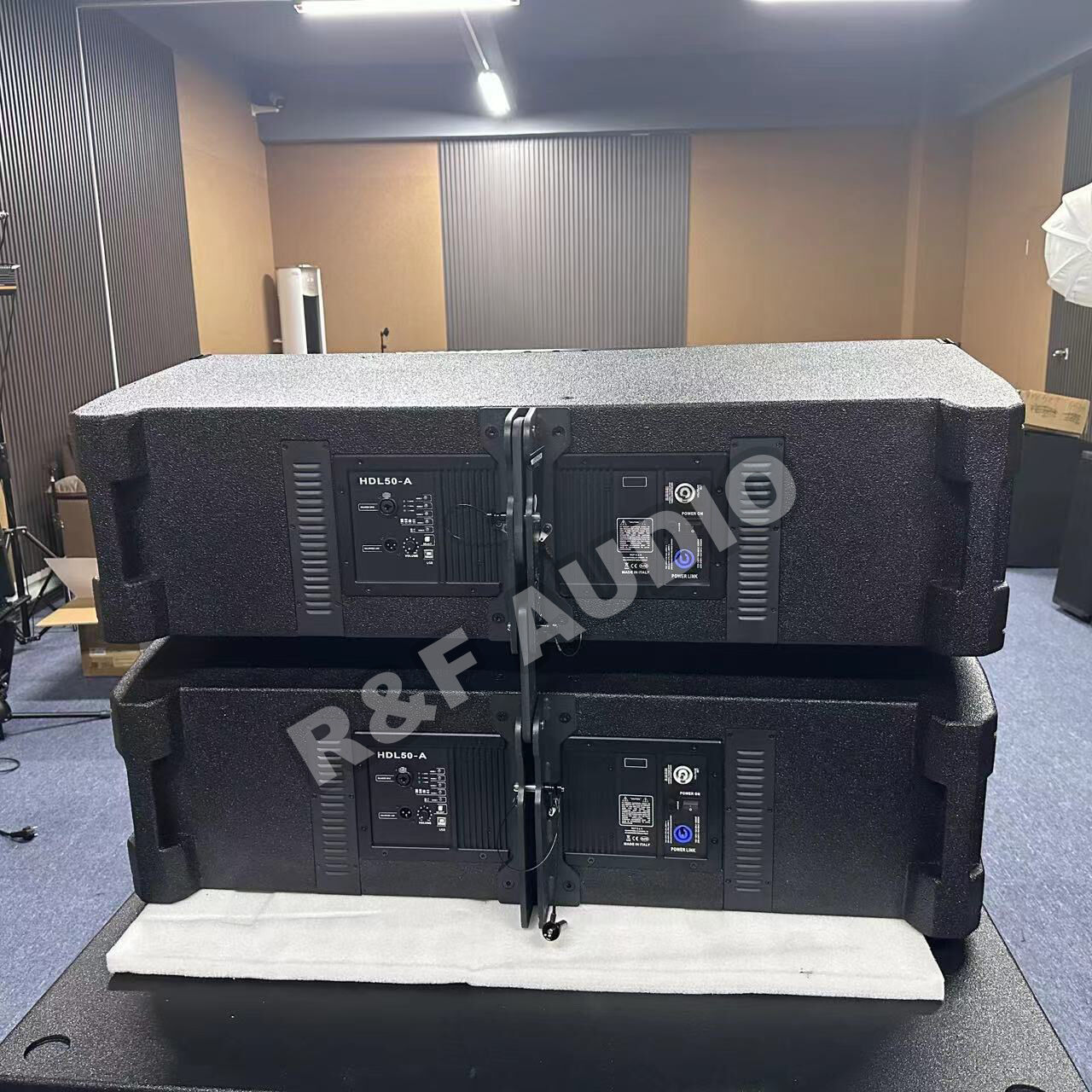
Passive line array speakers represent a sophisticated acoustic solution designed to deliver exceptional sound quality and coverage for professional audio applications. These specialized speaker systems utilize multiple drivers arranged in a vertical configuration, creating controlled directional sound patterns that provide superior clarity and consistency across large venues. Unlike their active counterparts, passive line array speakers require external amplification, offering greater flexibility in system design and power management. The fundamental principle behind passive line array speakers involves the strategic placement of multiple identical drivers working in unison to produce coherent wavefronts. This arrangement creates constructive interference in the desired listening areas while minimizing unwanted sound dispersion to unwanted zones. The vertical array configuration allows sound engineers to precisely control both horizontal and vertical coverage patterns, ensuring optimal audio distribution throughout the target area. Modern passive line array speakers incorporate advanced acoustic engineering, including custom-designed drivers, precision-tuned crossover networks, and aerodynamically optimized enclosures. These technological features work together to minimize phase distortion and maximize frequency response accuracy. The modular design of most passive line array speakers enables scalable installations, allowing audio professionals to configure arrays of varying sizes to match specific venue requirements and audience capacities. Applications for passive line array speakers span numerous professional environments, including concert halls, outdoor festivals, corporate events, houses of worship, theaters, and sports venues. Their ability to provide consistent sound levels and tonal balance across extended distances makes them particularly valuable for large-scale installations where traditional point-source speakers would prove inadequate. The passive design philosophy offers significant advantages in terms of system reliability, maintenance accessibility, and cost-effectiveness for permanent installations where dedicated amplification infrastructure can be optimally positioned and maintained.
 ×
×


 EN
EN