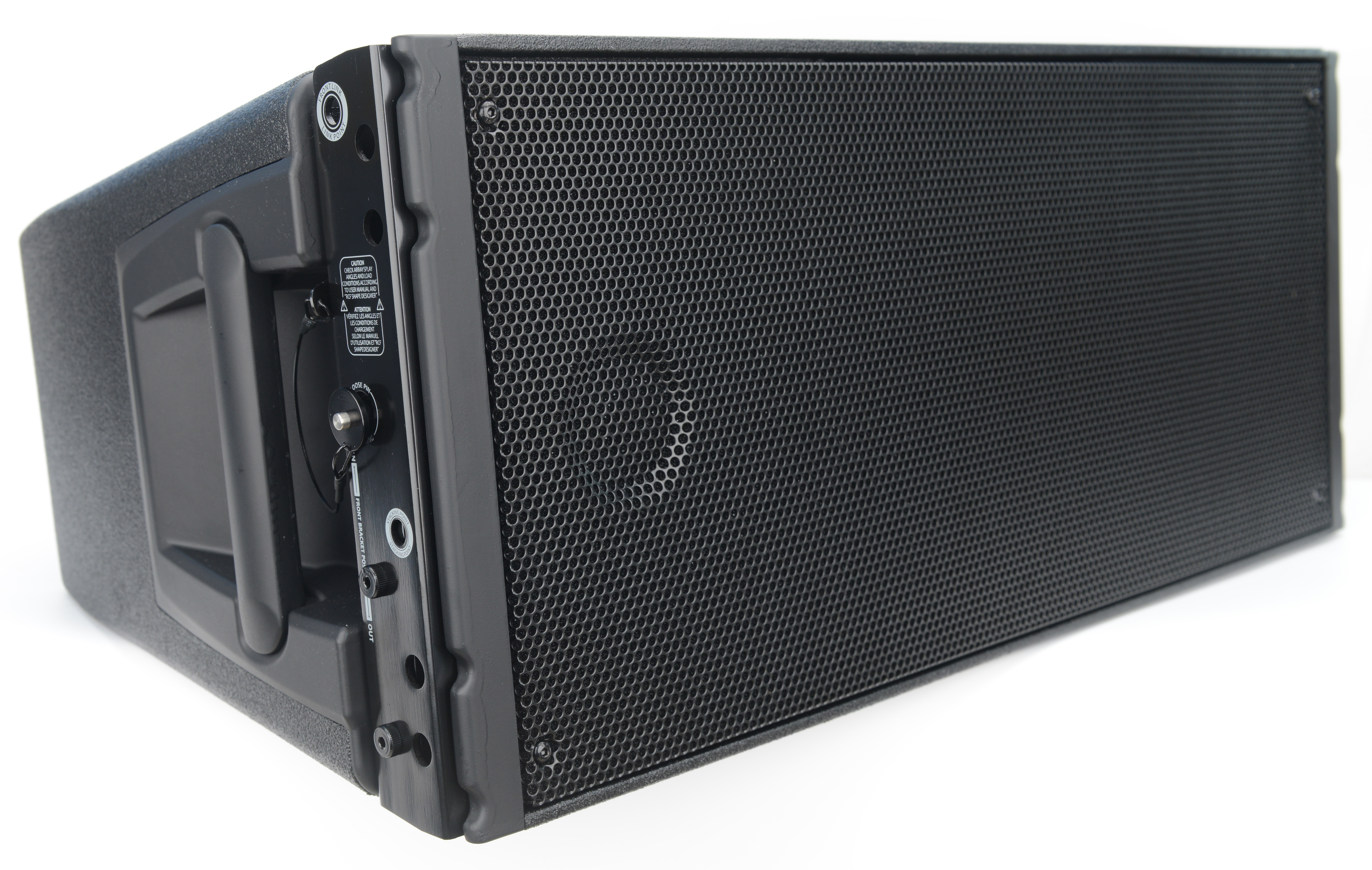
point source array
A point source array represents a sophisticated acoustic technology that revolutionizes sound reproduction by creating multiple discrete sound emission points working in perfect harmony. This innovative system consists of numerous small transducers strategically positioned to generate coherent sound waves that combine to produce exceptional audio quality and precise directional control. Unlike traditional speaker systems that rely on single or limited driver configurations, the point source array employs multiple synchronized elements to achieve superior acoustic performance across various applications. The fundamental principle behind this technology involves the careful coordination of individual sound sources, each contributing to the overall acoustic output while maintaining phase coherence and frequency response accuracy. Modern point source array systems incorporate advanced digital signal processing capabilities that enable real-time optimization of each element within the array. This sophisticated control mechanism allows for dynamic adjustment of amplitude, phase, and timing parameters to achieve optimal sound distribution patterns. The technology has gained significant traction in professional audio environments, commercial installations, and high-end consumer applications due to its exceptional versatility and performance characteristics. Point source array systems excel in environments requiring precise sound localization, uniform coverage patterns, and minimal acoustic interference. The modular design approach inherent in these systems provides scalability options that accommodate diverse installation requirements, from intimate venue applications to large-scale auditorium deployments. Engineers and audio professionals appreciate the point source array technology for its predictable behavior, consistent performance metrics, and flexibility in addressing challenging acoustic environments. The integration capabilities of modern point source array solutions support various connectivity options, including digital audio networks, wireless protocols, and traditional analog interfaces, ensuring compatibility with existing infrastructure while providing pathways for future system expansion and enhancement.
 ×
×




 EN
EN