EN
EN



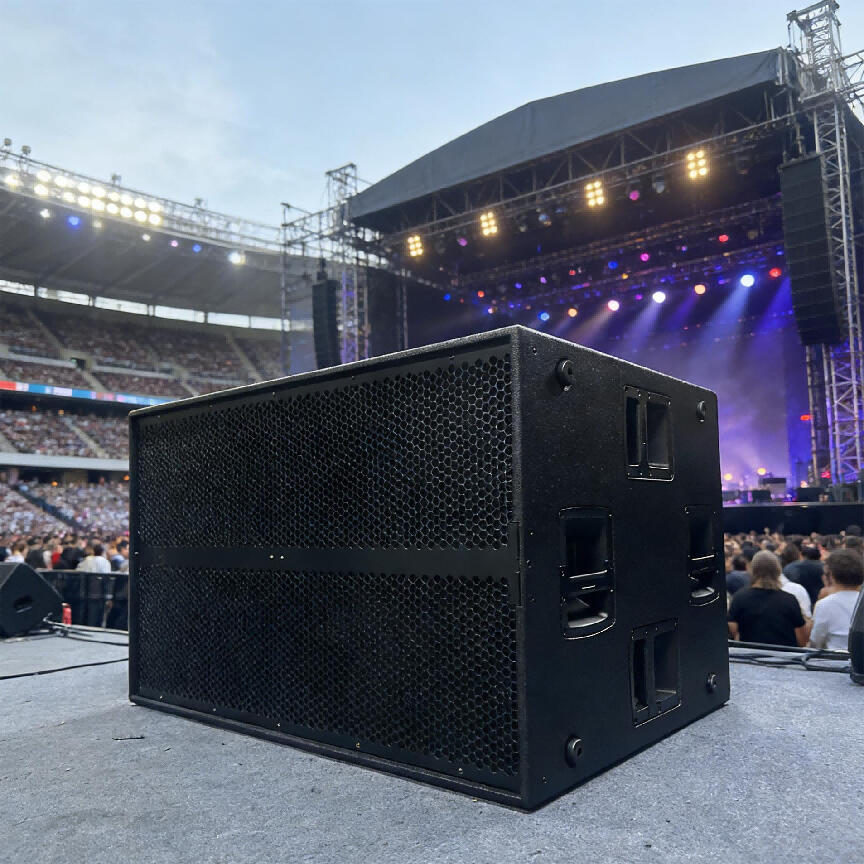
How to Choose Line Array Speakers Wholesale: A Guide for Distributors & Rental Companies
For distributors, rental companies, and project suppliers, choosing the right line array speaker is not only about maximum sound pressure. It is about matching product performance to venue requirements, customer expectations, transportation conditions, and long-term business opportunities.
A professional line array speaker that works well for a church installation may not be the best choice for a touring rental fleet. In the same way, a model that looks attractive on paper may create practical issues if it is too heavy, difficult to rig, or not suitable for local market demand. This is why distributors and rental companies need a more structured method when evaluating line array systems.
In this guide, we will explain the key factors you should consider when choosing line array speakers, including power, coverage, application scenarios, portability, and OEM support. If you want to explore different product options first, you can also visit our Line Array Speakers Wholesale page for an overview of available models and solutions.
1. Start with the Application
Before comparing technical specifications, the first step is to define the main application. Different projects require different performance priorities.
For example, rental companies that mainly serve live events and temporary outdoor stages usually need line array speakers with high SPL, fast rigging, and strong projection. Distributors who supply churches, auditoriums, and fixed installation contractors may prioritize speech clarity, controlled coverage, and installation flexibility. Event production companies may need a balance between output, portability, and easy transport.
When you know the target application, it becomes easier to narrow down the right cabinet size, driver configuration, and power level.
2. Understand Power Ratings Correctly
Many buyers focus on power first, but power should never be evaluated alone. In professional audio, wattage is useful only when considered together with SPL, driver design, and real-world system efficiency.
For distributors and rental companies, the most practical approach is to compare these points together:
- RMS power rating
- Peak power handling
- Maximum SPL
- Frequency response
- Driver configuration
- Cabinet size and weight
A higher wattage number does not always mean better real-world performance. Some applications require a compact and efficient active line array speaker with moderate power but excellent clarity and portability. Other applications, such as outdoor concerts and festivals, require a higher-output system with more headroom and longer throw.
This is why product selection should be based on the total acoustic result rather than a single power figure.
3. Coverage Matters as Much as Output
Coverage is one of the most important factors in line array system design. A speaker may have strong SPL, but if the coverage does not match the venue, the audience experience will still be inconsistent.
Distributors and rental companies should pay attention to:
- Horizontal coverage for audience width
- Vertical coverage and array behavior
- Throw distance requirements
- Indoor or outdoor usage
- Venue height and installation conditions
For example, a church, theater, or auditorium may need controlled and even coverage to improve speech intelligibility. An outdoor stage may require longer projection and more flexible array configuration. In both cases, choosing the wrong coverage pattern can lead to poor performance, customer complaints, and reduced project value.
If coverage angle data is available from the manufacturer, it should always be considered during system matching. If detailed data is not listed publicly, distributors should request it before placing larger orders or specifying the product for engineering projects.
4. Match the Speaker to Venue Size and Business Model
A practical selection process should always connect the speaker model to the customer type and venue size.
For small to medium venues, such as churches, clubs, and conference halls, compact dual 10-inch line array speakers are often a strong option because they offer a good balance of output, portability, and easy deployment.
For medium to large touring applications, outdoor stages, and rental fleets, buyers may need higher-output systems with stronger low-frequency performance, greater projection, and more robust rigging solutions.
For large festivals, stadiums, and major live productions, flagship professional line array systems with high SPL and more advanced driver configuration are usually the better choice.
Distributors should also consider which products are easier to sell repeatedly in their local market. Rental companies should think about fleet standardization, serviceability, transport efficiency, and setup speed. A good product is not only one that performs well, but also one that fits the business model.
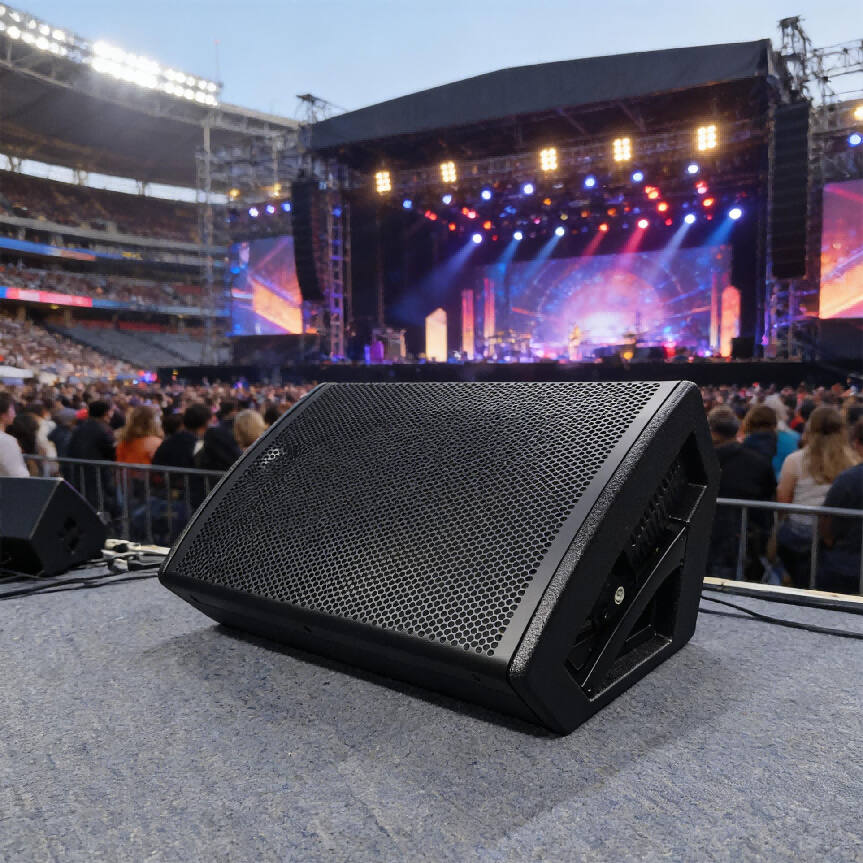
5. Consider Portability, Rigging, and Daily Operation
For rental companies especially, daily operation matters as much as sound quality. A line array speaker that is too heavy, difficult to fly, or inefficient to transport can increase labor cost and reduce deployment efficiency.
Before making a purchasing decision, it is useful to check:
- Cabinet weight
- Enclosure material
- Rigging structure
- Active or passive system design
- Ease of stacking, packing, and transportation
- Availability of fly bars and related accessories
For touring and rental applications, these practical factors directly affect operating cost and job-site efficiency. For distributors, they also influence how attractive the product is to end users and contractors.
6. Look Beyond the Product: Evaluate Manufacturer Support
For B2B buyers, choosing a line array speaker also means choosing a manufacturer relationship. This is especially important for distributors, project suppliers, and companies building repeat business in a local market.
A reliable supplier should be able to support:
- Stable product quality
- Timely quotation response
- Technical guidance for model selection
- Sample order support
- Bulk order supply
- Documentation and product information
- OEM and ODM cooperation when needed
This kind of support can reduce communication cost, improve conversion speed, and help distributors build a stronger market position.
7. Why OEM and ODM Support Can Be Important
For many distributors and brand owners, OEM and ODM support is not a secondary factor. It can be a key part of long-term business development.
OEM and ODM services may include:
- Private label branding
- Logo customization
- Appearance adjustment
- Product matching for different markets
- Packaging support
- Flexible supply for developing regional brands
If your business goal is not only to purchase a few units but to establish a competitive distribution channel, manufacturer flexibility becomes a major advantage. This is especially valuable for buyers who want to launch their own audio brand or differentiate their product offering in the market.
8. Ask the Right Questions Before You Buy
Before confirming a line array speaker model, distributors and rental companies should ask a few practical questions:
- What is the main application for this system?
- What venue size does it need to cover?
- Is output or portability the higher priority?
- Is the system mainly for touring, installation, or rental use?
- Does the manufacturer provide OEM or branding support?
- Are technical specifications complete enough for project planning?
- Is there a clear quotation and after-sales communication process?
These questions help reduce wrong purchasing decisions and improve project matching.
9. Final Recommendation
Choosing the right line array speaker is a business decision as much as a technical one. For distributors and rental companies, the ideal solution should combine reliable performance, suitable coverage, practical power configuration, operational efficiency, and dependable manufacturer support.
Instead of focusing only on price or wattage, evaluate the speaker from a complete project and business perspective. This approach will help you build a more competitive product lineup, improve customer satisfaction, and reduce long-term operational risk.
If you are currently comparing models for distribution, rental fleets, or project supply, explore our Line Array Speakers Wholesale page to review suitable options for different venue sizes and professional audio applications.
Table of Contents
- How to Choose Line Array Speakers Wholesale: A Guide for Distributors & Rental Companies
- 1. Start with the Application
- 2. Understand Power Ratings Correctly
- 3. Coverage Matters as Much as Output
- 4. Match the Speaker to Venue Size and Business Model
- 5. Consider Portability, Rigging, and Daily Operation
- 6. Look Beyond the Product: Evaluate Manufacturer Support
- 7. Why OEM and ODM Support Can Be Important
- 8. Ask the Right Questions Before You Buy
- 9. Final Recommendation