Solutiōnēs Īntegrātae dē Connexiōne et Intēgratiōne
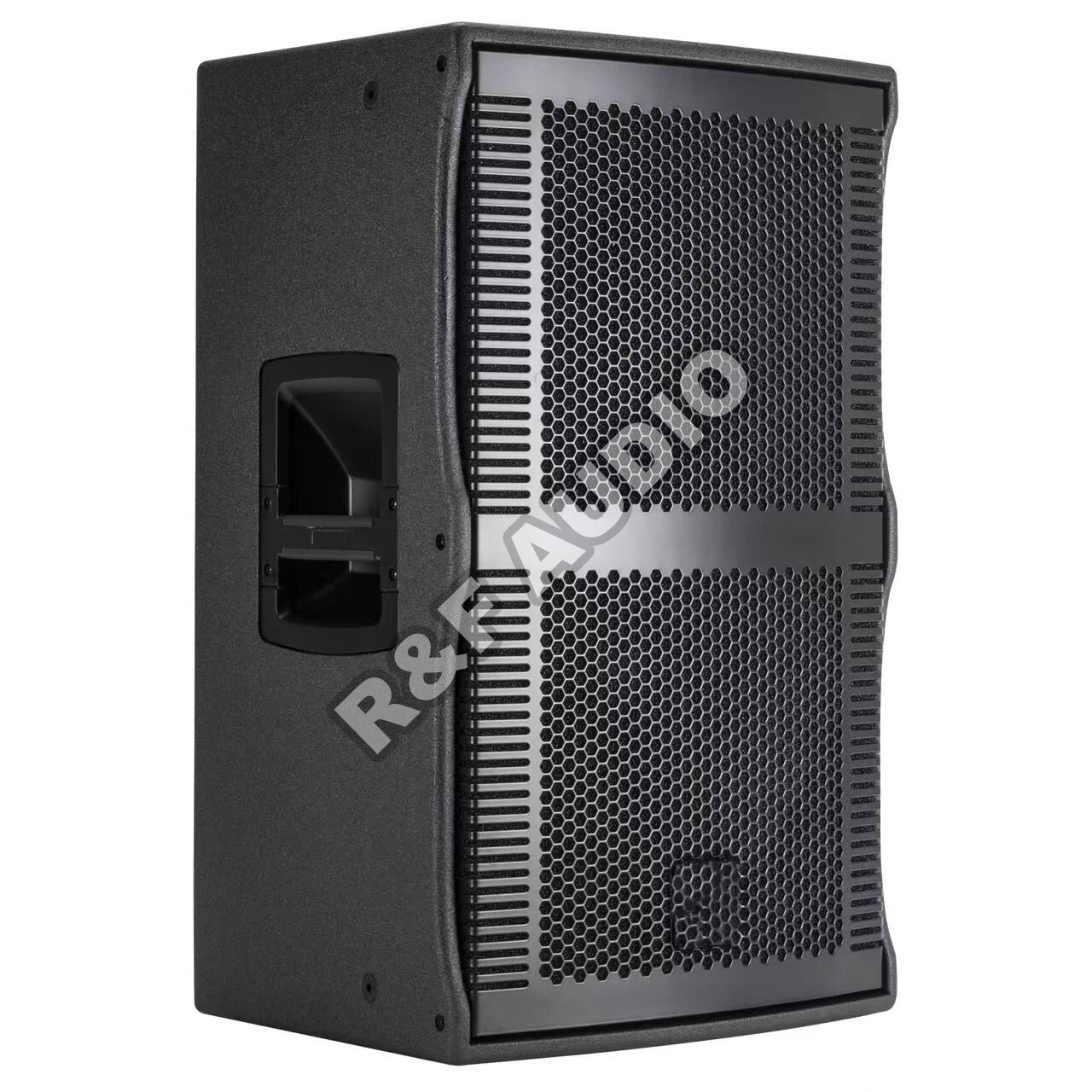
Largae optiones connexiōnis et facultātēs integrātiōnis sine interruptione, quae in modernīs monitoribus scēnae activīs incorporantur, eas constituunt in centra versātilia intra complexa systēmata sonōra, quae diversa genera signōrum et postulāta dīrēctiōnis accommodant, quae hodiernās conditiōnēs performatiōnum vīvārum et rēgistrātiōnum characterizant. Plūrēs configurātiōnēs intrōductiōnum, inter quās connexiōnēs XLR aequilibrātae, iunctūrae TRS quadrāntis pollicis, et intrōductiōnēs RCA, compatibilitātem ad omnēs fere fōntēs sonōrōs sēcūrant, ab arculīs mixtūrae prōfessionālibus et interfaciīs sonōris ad instrumenta cōnsūmptōris et systēmata recipiēndī sine fīlō. Inclūsiō utrīusque generis intrōductiōnum, analogārum et digitālium, futūram praeservatīōnem contra normās technolōgicās ēvolventēs praebet, dum compatibilitās retrogrāda cum investītiōnibus praeteritīs instrumentōrum manēt, ita ut ūsus gradātim ad novās technolōgiās trānsīre possint, nōn obsolefācēns suōs systēmās monitoriī. Exītūs coniungentēs et facultātēs seriatim coniungendī permittunt plūrēs monitorēs scēnae activōs in seriem coniungī, creāns rete monitoriī comprehēnsīva quae magnās scēnās aut plūrēs āreas performatiōnis complectuntur, dum integritās signī et operātiō synchrona in omnibus unitātibus coniunctīs servatur. Facultātēs mixtūrae intrīnsecās permissum praebent performatōribus ut plūrēs fōntēs intrōductiōnis directē apud ipsōs monitorēs misceant, creāns mixtūrās monitoriī personalēs absque necessitāte consōlorum mixtūrae monitoriī dedicātōrum aut apparatus externī dīrēctiōnis complexī, quī complēxitātem systēmātis augent et puncta potentiālis defectiōnis multiplicent. Optionēs connexiōnis sine fīlō, inter quās facultātēs Bluetooth et WiFi, contrōlum remotum et configūrātiōnem parametrōrum monitoris per applicātiōnēs in phōnīs intellēgentibus permittunt, commodam aditum ad rēgulātiōnēs aequālisōriī, contrōlōs voluminis, et observātiōnem status systēmātis undecumque in scēnā aut in aedificiō offerentēs. Integrātiō protocollōrum sonōrum in rēte, ut Dante vel AES67, singulōs monitorēs scēnae activōs in nodōs transformant intra maiōra systēmata sonōra in rēte, quae contrōlum centrale et facultātēs dīrēctiōnis permittunt, quae operatiōnēs in installātiōnibus complexīs expēdīunt, dum normae qualitātis sonōrae prōfessionālis serventur. Interruptōrēs elevātiōnis terrae et contrōlles inversiōnis phāsēos commūnia problemāta connexiōnis quae in complexīs systēmātibus sonōris oriuntur solvunt, ferramenta praebentia ad eliminandōs circuitūs terrae et ad servandam propriam polāritātem signī, quae summātionem acūsticam optimam sēcūrant cum plūribus monitoribus in proximitāte operantur. Constructiō robusta connexiōnum intrōductiōnis et exītūs, quae contactūs aurō plātēs et mēchanismōs rēlīquiae tensiōnis habent, connexiōnēs fidēles sēcūrat quae manūs rigōrōsas et conditiōnēs ambientālēs typicās applicātiōnum performatiōnum vīvārum sustinēre possunt, exigentiam mānūtenentiōnis minuēns et rīscum defectiōnum connexiōnis in momentīs crīticīs performatiōnis minimizāns.
 ×
×



 EN
EN