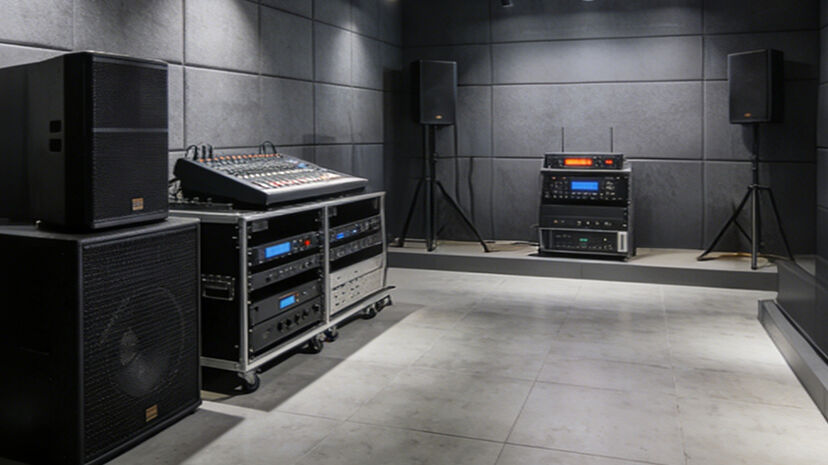
Professional Passive Line Array Systems: Superior Sound Coverage and Flexible Audio Solutions

Get a Free Quote

Our representative will contact you soon.
Email
Name
WhatsApp
Company Name
Message
0/1000

passive line array system

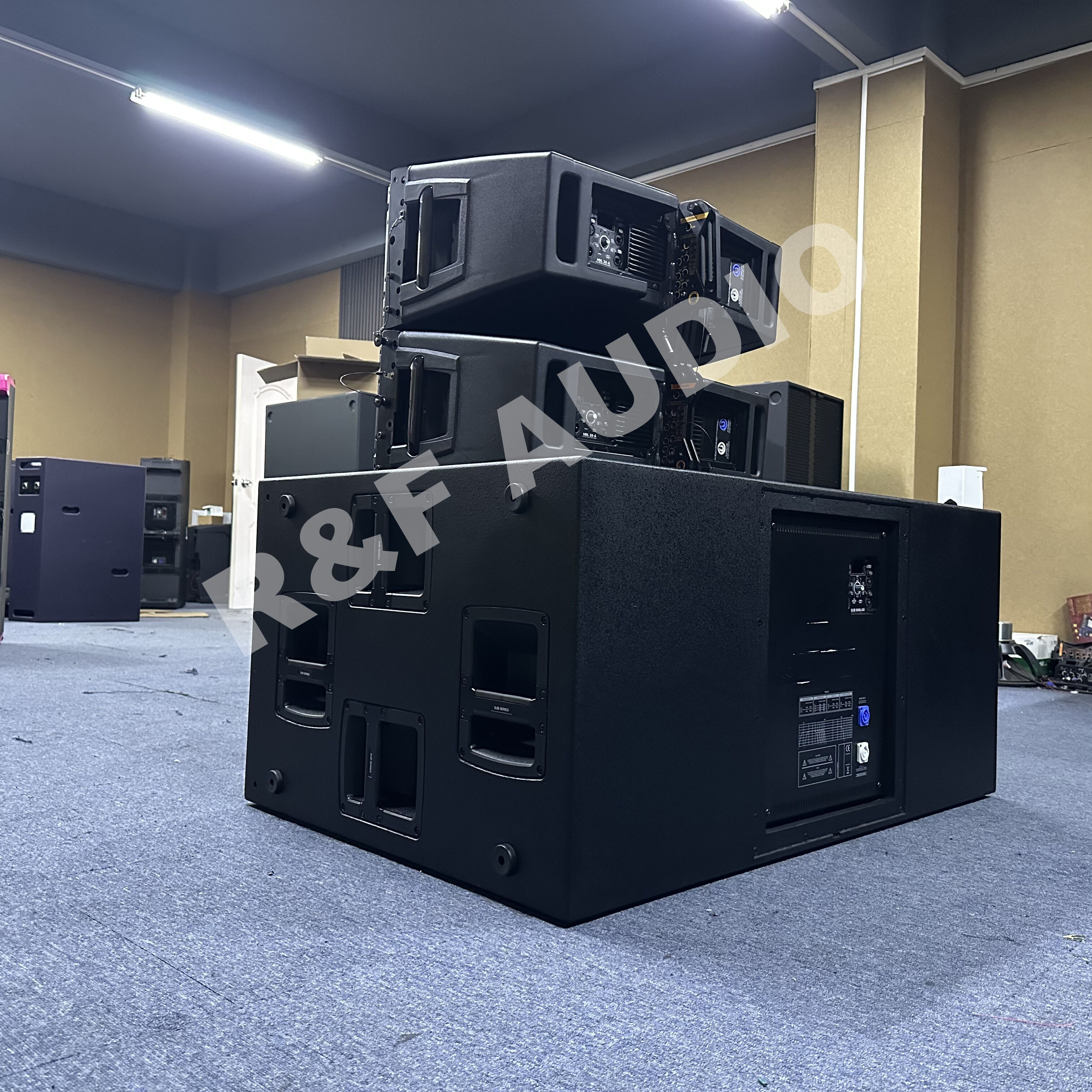
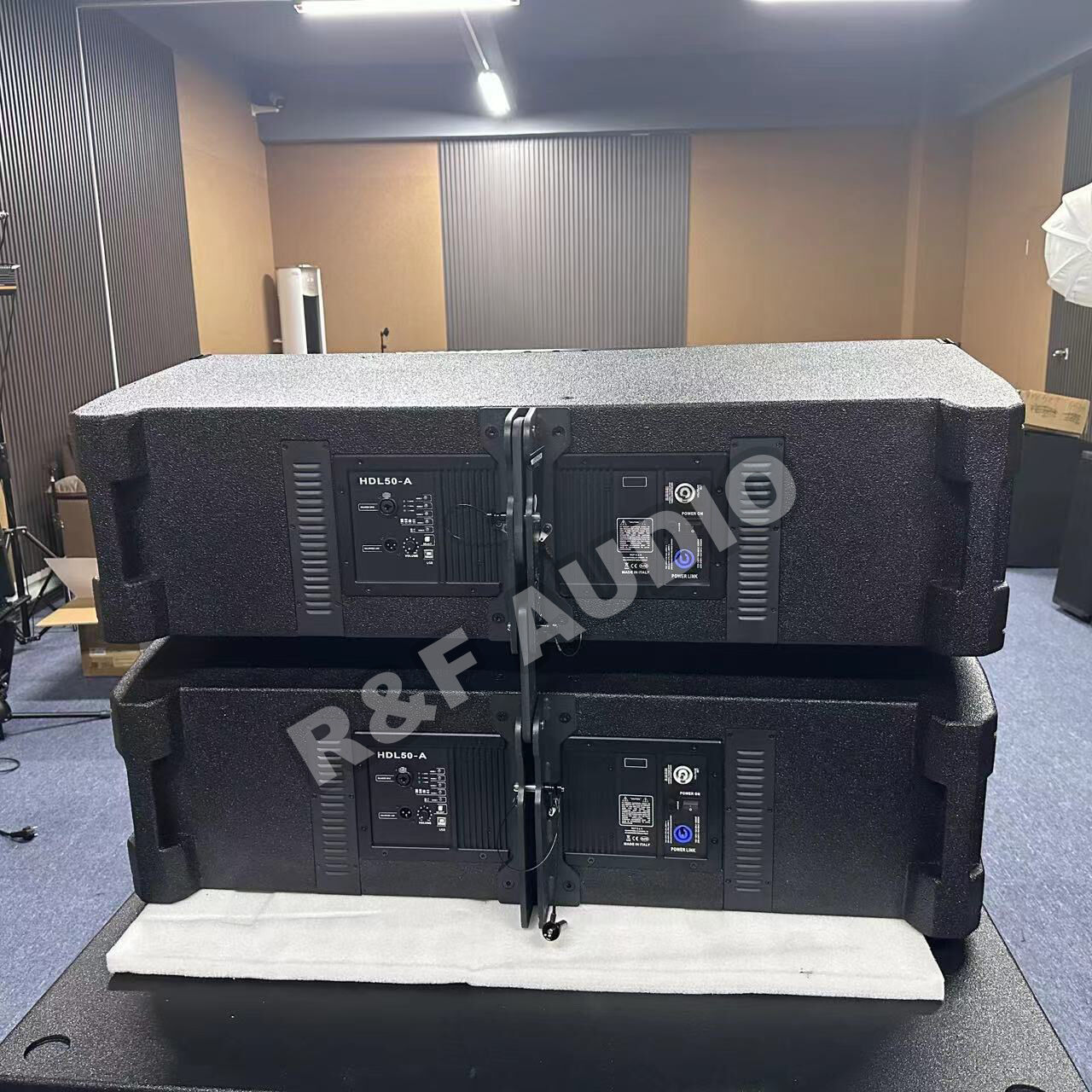
A passive line array system represents a sophisticated audio solution designed to deliver exceptional sound quality and coverage across diverse venues and applications. Unlike active systems that incorporate built-in amplification, the passive line array system requires external amplifiers, offering greater flexibility in power management and system configuration. This design approach allows sound engineers and venue operators to customize their amplification setup according to specific requirements and budget considerations. The passive line array system consists of multiple compact speaker enclosures arranged vertically to create a cohesive acoustic wavefront. Each enclosure contains carefully engineered drivers positioned to work in harmony with adjacent units, producing consistent sound dispersion patterns. The vertical arrangement enables precise control over sound coverage, allowing operators to focus audio energy where needed while minimizing unwanted reflections and interference. Key technological features include advanced driver alignment, optimized crossover networks, and robust construction materials that ensure long-term reliability. The passive line array system utilizes specialized rigging hardware that facilitates quick deployment and secure installation in various configurations. This hardware system supports both permanent installations and touring applications, making it versatile for different operational needs. Modern passive line array systems incorporate sophisticated acoustic modeling and computer-aided design principles to achieve superior performance characteristics. The enclosures feature precise driver positioning, optimized port tuning, and carefully calculated internal volumes that work together to produce accurate frequency response across the audio spectrum. Applications for passive line array systems span numerous industries and venue types, including concert halls, theaters, houses of worship, corporate facilities, and outdoor events. These systems excel in situations requiring high-quality sound reinforcement with precise coverage control, making them ideal for both speech and music reproduction in challenging acoustic environments.

Popular Products

The passive line array system offers numerous compelling advantages that make it an attractive choice for audio professionals and venue operators seeking superior sound reinforcement solutions. One of the most significant benefits lies in the flexibility of amplifier selection and configuration. Unlike active systems with predetermined amplification, the passive line array system allows users to choose amplifiers that match their specific power requirements, budget constraints, and performance expectations. This flexibility extends to system expansion capabilities, as additional amplifier channels can be added without replacing existing components, providing a cost-effective upgrade path for growing venues or changing requirements. Cost efficiency represents another major advantage of passive line array systems. The absence of built-in amplification reduces the initial purchase price per enclosure, making large-scale installations more affordable. Additionally, centralized amplification simplifies maintenance procedures and reduces the total number of electronic components that could potentially require service or replacement. When amplifiers are located in controlled environments rather than suspended with the speakers, they experience less stress from temperature fluctuations, humidity, and vibration, leading to improved reliability and extended operational life. The passive line array system provides exceptional scalability options that active systems cannot match. Sound engineers can easily adjust system power by changing amplifier specifications or adding additional amplification channels without modifying the speaker enclosures themselves. This scalability proves particularly valuable for rental companies and venues that need to accommodate events of varying sizes and requirements. The modular nature of passive line array systems enables precise system sizing, ensuring optimal performance while avoiding over-specification and unnecessary costs. Installation flexibility stands out as another key advantage of passive line array systems. The lighter weight of individual enclosures, achieved by eliminating internal amplification, simplifies rigging procedures and reduces structural load requirements. This weight reduction translates to lower installation costs and expanded venue compatibility, as buildings with limited structural capacity can still accommodate these systems. The centralized amplification approach also simplifies cable management and reduces the complexity of power distribution throughout the installation. Maintenance and servicing benefits cannot be overstated when considering passive line array systems. Centralized amplification allows technicians to access all electronic components from ground level, eliminating the need for specialized lift equipment or rigging procedures during routine maintenance. This accessibility significantly reduces service costs and minimizes downtime during repairs or component replacement. Furthermore, the separation of amplification from transducers means that electronic failures do not require the entire speaker enclosure to be removed from service, improving system reliability and operational continuity.

Practical Tips

R&F Factory Participates in the Thailand Industrial Fair

11

Mar

R&F Factory Participates in the Thailand Industrial Fair

View More
establish a new branch factory

11

Mar

establish a new branch factory

View More
Participate in the Guangzho u exhibition

11

Mar

Participate in the Guangzho u exhibition

View More
New offline physical store

11

Mar

New offline physical store

View More

Get a Free Quote

Our representative will contact you soon.
Email
Name
WhatsApp
Company Name
Message
0/1000

passive line array system

Unmatched Flexibility in Amplification and System Design

Unmatched Flexibility in Amplification and System Design

The passive line array system delivers unprecedented flexibility in amplification and system design, setting it apart from conventional active speaker solutions. This flexibility manifests in multiple dimensions, beginning with amplifier selection freedom that allows users to match their specific performance requirements with appropriate power solutions. Sound engineers can choose from a vast array of amplifier technologies, including Class D, Class AB, or hybrid designs, each offering distinct characteristics in terms of efficiency, sound quality, and thermal management. This selection freedom ensures that every installation can be optimized for its unique requirements, whether prioritizing maximum efficiency for large-scale touring applications or focusing on audiophile-grade sound quality for critical listening environments. The amplification flexibility extends beyond simple power considerations to encompass advanced signal processing capabilities. Modern amplifiers compatible with passive line array systems often incorporate sophisticated digital signal processing features, including parametric equalization, delay compensation, and dynamic range control. These processing capabilities can be tailored to specific venue acoustics and performance requirements, providing a level of customization that active systems with fixed internal processing cannot achieve. Users can upgrade or modify their signal processing capabilities by changing amplifiers without replacing the entire speaker investment, ensuring long-term system relevance and performance optimization. System scaling represents another crucial aspect of passive line array system flexibility. As venue requirements evolve or expand, additional amplifier channels can be seamlessly integrated to increase system power or add new zones of coverage. This scalability proves invaluable for growing venues, rental companies serving diverse client needs, or installations where future expansion is anticipated. The modular amplification approach enables precise power matching to specific array configurations, ensuring optimal driver utilization and maximum system efficiency across all operating conditions. Configuration versatility further enhances the appeal of passive line array systems. Engineers can implement various amplification strategies, including bi-amplification or tri-amplification schemes that provide separate power to different frequency ranges within each enclosure. This approach enables more precise control over system response and can improve overall performance by optimizing amplifier selection for specific frequency ranges. The passive design also facilitates custom crossover implementations and allows for advanced time alignment techniques that would be impossible with fixed active processing.

Superior Cost-Effectiveness and Long-Term Value

Superior Cost-Effectiveness and Long-Term Value

The passive line array system provides exceptional cost-effectiveness and long-term value that makes it an intelligent investment for venues, rental companies, and audio professionals seeking maximum return on their equipment purchases. Initial acquisition costs represent just one aspect of the overall value proposition, as passive systems typically require lower upfront investment per enclosure compared to equivalent active alternatives. This cost advantage becomes particularly significant in large-scale installations where multiple enclosures are required, allowing organizations to deploy comprehensive sound reinforcement systems within realistic budget parameters. The absence of built-in amplification eliminates redundant electronic components that would otherwise be distributed throughout multiple speaker enclosures, reducing both manufacturing costs and potential failure points within the system. Maintenance cost advantages contribute significantly to the long-term value proposition of passive line array systems. Centralized amplification means that all electronic components remain accessible at ground level, eliminating the need for specialized lift equipment or rigging procedures during routine service intervals. This accessibility translates directly to reduced labor costs for maintenance activities and minimizes system downtime during repairs or component replacement. Additionally, the separation of amplification from transducers means that electronic failures affect only the amplification system rather than requiring individual speaker enclosures to be removed from service, improving overall system reliability and operational continuity. The longevity advantages of passive line array systems extend beyond simple maintenance considerations to encompass technology refresh cycles and system upgrades. As amplifier technology evolves and new features become available, users can upgrade their systems by replacing centralized amplification equipment while retaining their speaker investment. This upgrade path ensures that passive line array systems can incorporate the latest technological advances without requiring complete system replacement, protecting the substantial investment in transducers and enclosures while providing access to improved performance and functionality. Energy efficiency considerations also contribute to the cost-effectiveness of passive line array systems. Centralized amplification enables the use of highly efficient power amplifiers that can be selected specifically for their energy consumption characteristics. These amplifiers can be located in temperature-controlled environments that optimize their operating efficiency and extend their operational life. The improved efficiency translates to reduced operating costs over the system lifetime, particularly important for permanent installations in venues with significant annual operating hours. Insurance and replacement cost benefits further enhance the value proposition of passive line array systems. The lower cost per enclosure reduces insurance premiums and replacement costs in the event of damage or theft. For touring applications, the reduced value of individual enclosures may qualify for different shipping and insurance categories, providing additional operational cost savings.
Enhanced Reliability and Simplified Installation Process

Enhanced Reliability and Simplified Installation Process

The passive line array system excels in reliability and installation simplicity, providing significant operational advantages that benefit both permanent installations and touring applications. Reliability improvements stem primarily from the separation of amplification electronics from the speaker enclosures themselves, creating a more stable and controllable operating environment for sensitive electronic components. When amplifiers are housed in dedicated equipment racks rather than suspended with the speakers, they experience significantly reduced mechanical stress from vibration, temperature fluctuations, and humidity exposure. This controlled environment substantially extends component life and reduces the likelihood of electronic failures that could compromise system performance during critical applications. The reduced weight of individual enclosures, achieved by eliminating internal amplification, transforms the installation process by simplifying rigging procedures and reducing structural load requirements. Lighter enclosures are easier to handle during installation, reducing the physical demands on installation crews and minimizing the risk of accidents during deployment. The weight reduction also expands venue compatibility by reducing the structural support requirements, enabling installations in buildings with limited load-bearing capacity that might not accommodate heavier active systems. This compatibility advantage opens new market opportunities and reduces the infrastructure modifications required for system deployment. Installation time benefits represent another significant advantage of passive line array systems. The simplified cabling requirements, with only speaker cables connecting to each enclosure rather than both power and audio connections, streamline the installation process and reduce the potential for connection errors. The centralized amplification approach also simplifies system commissioning procedures, as all electronic adjustments and optimization can be performed from a single location rather than requiring access to individual speaker enclosures. This centralization reduces installation time and associated labor costs while improving the consistency of system setup procedures. Troubleshooting and diagnostic advantages further enhance the reliability benefits of passive line array systems. When system issues arise, technicians can quickly isolate problems to either the amplification system or the speaker enclosures, simplifying diagnostic procedures and reducing repair time. The accessibility of centralized amplification enables real-time monitoring of system parameters and performance characteristics, allowing proactive maintenance and early identification of potential issues before they result in system failures. Thermal management represents a crucial reliability factor where passive line array systems demonstrate clear advantages. Speaker enclosures without internal amplification generate significantly less heat, reducing thermal stress on transducers and improving their long-term reliability. The centralized amplifiers can be equipped with sophisticated cooling systems and temperature monitoring, ensuring optimal operating conditions that maximize component life and maintain consistent performance characteristics. This thermal advantage becomes particularly important in high-power applications or installations in challenging environmental conditions where heat dissipation is critical for system longevity.
Professional Passive Line Array Systems: Superior Sound Coverage and Flexible Audio Solutions

Get a Free Quote

Our representative will contact you soon.
Email
Name
WhatsApp
Company Name
Message
0/1000