Unmatched System Integration Flexibility
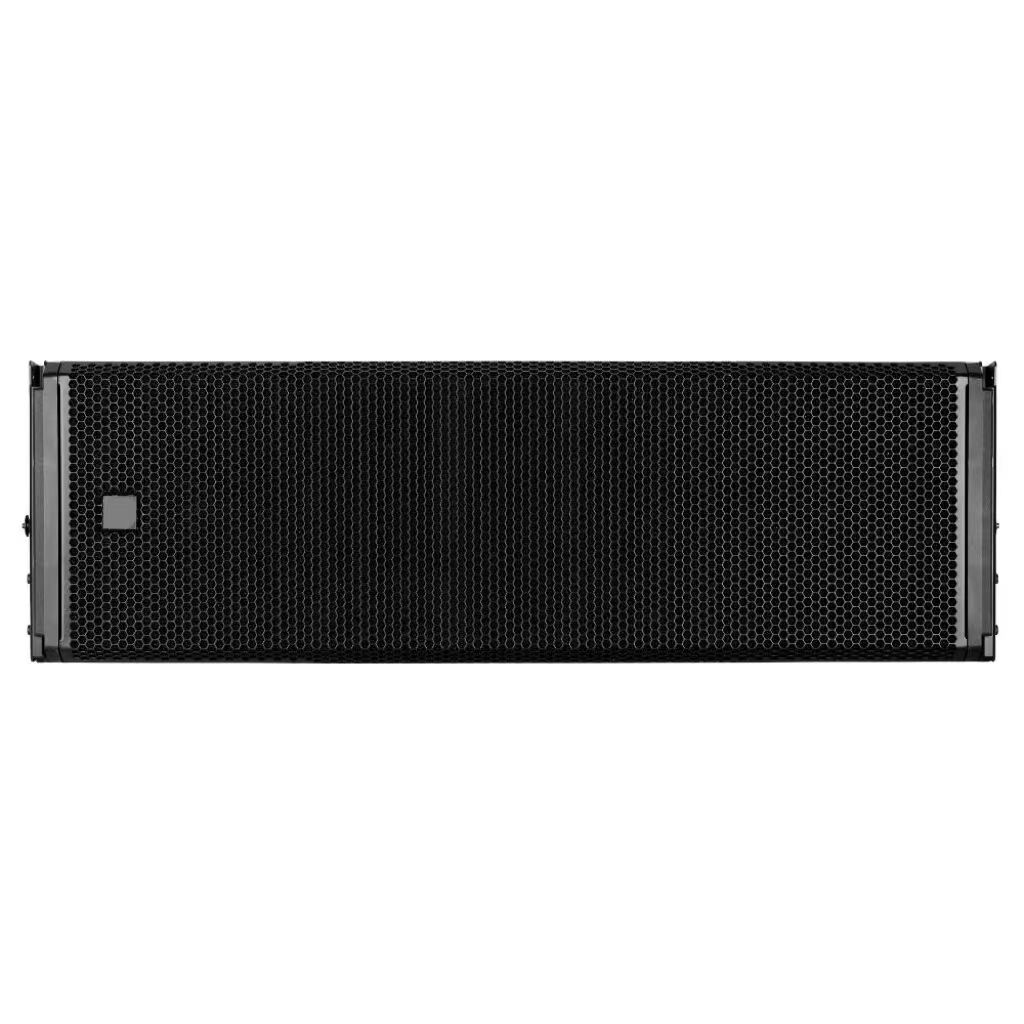
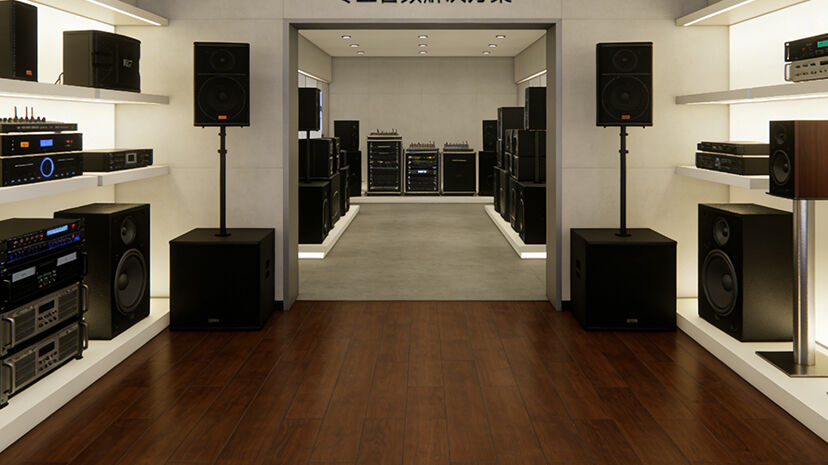
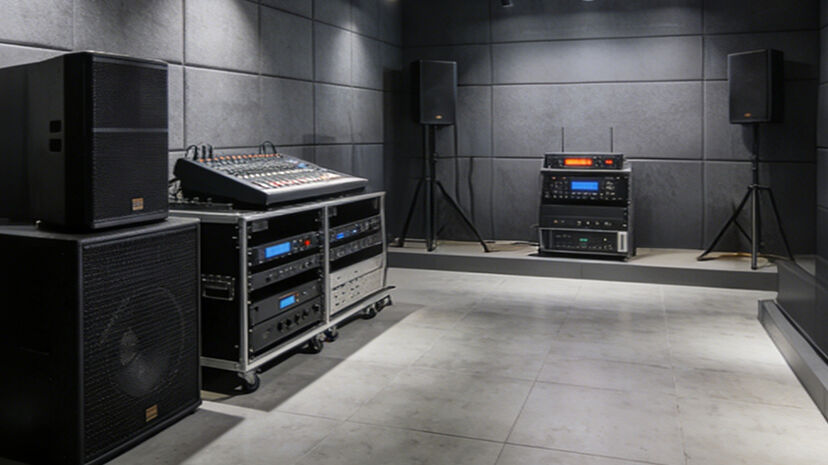
The integration flexibility offered by passive subwoofer oem solutions provides manufacturers with unprecedented design freedom and customization capabilities that active alternatives simply cannot match. This flexibility begins with amplifier selection, where OEM partners can choose from a vast range of amplification technologies, power levels, and feature sets to create systems that perfectly align with their target markets and performance objectives. Whether the application demands compact Class D amplification for space-constrained installations or high-current Class AB designs for audiophile applications, passive subwoofer oem units accommodate any amplification strategy without compromising acoustic performance. The impedance characteristics of passive subwoofer oem drivers can be precisely specified to match existing amplifier infrastructures, eliminating the need for costly system redesigns or component replacements. This compatibility extends to control systems, where manufacturers can implement sophisticated digital signal processing, equalization, and protection circuits that integrate seamlessly with their overall product architecture. The passive design enables advanced multi-amplifier configurations, including bi-amplification and tri-amplification setups that provide superior control over frequency response and dynamic range. System scalability becomes effortless with passive subwoofer oem components, as manufacturers can easily create product lines ranging from entry-level single-driver systems to high-end multi-driver arrays using identical acoustic foundations with varying amplification strategies. Installation flexibility improves dramatically when amplification remains separate from the subwoofer enclosure, allowing optimal placement of each component based on acoustic requirements, thermal considerations, and aesthetic preferences. The passive subwoofer oem approach facilitates easy system updates and modifications throughout the product lifecycle, enabling manufacturers to incorporate new amplification technologies or features without redesigning the entire acoustic system. This modularity proves particularly valuable in commercial applications where system requirements may evolve over time or where standardization across multiple installations provides logistical advantages. The integration flexibility extends to crossover design, where external active crossovers can provide precise frequency division and phase alignment that surpasses the capabilities of passive internal networks, resulting in superior system coherence and performance optimization.
 ×
×


 EN
EN