EN
EN



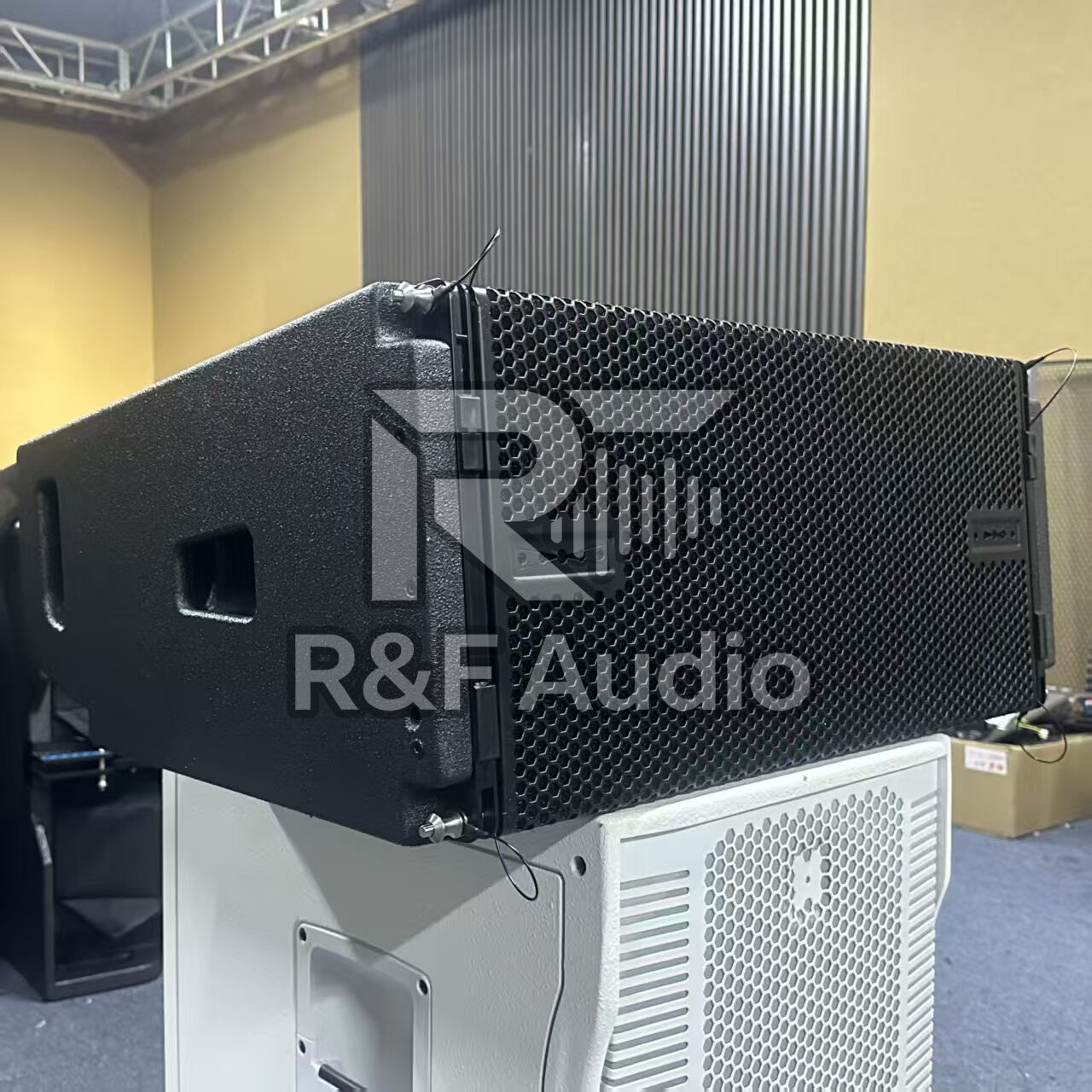
Complex venues such as large auditoriums, convention centers, worship facilities, and multi-purpose halls present unique acoustic challenges that can significantly impact sound quality and listener experience. The geometry, materials, ambient noise levels, and varying audience configurations in these spaces create reverberation issues, dead zones, and uneven sound distribution that conventional audio setups often struggle to address effectively. Understanding how a properly designed audiosystem can overcome these obstacles is crucial for venue operators, sound engineers, and facility managers seeking to deliver consistent, high-quality audio experiences.
Modern audiosystem technology offers sophisticated solutions specifically engineered to tackle the acoustic complexities inherent in challenging venue environments. Through advanced driver configurations, intelligent signal processing, and strategic deployment methodologies, contemporary audio systems can dramatically enhance sound clarity while maintaining consistent coverage throughout even the most acoustically problematic spaces. The key lies in understanding both the technical capabilities of modern audio equipment and the specific acoustic characteristics that define complex venue environments.
When addressing acoustic challenges in complex venues, professional audio systems generally fall into three main types: point-source, line array, and distributed systems. Among these, line array systems, with their controllable vertical coverage and long-throw capabilities, have become the preferred choice for large auditoriums and multi-purpose halls. Distributed systems, on the other hand, are suitable for irregularly shaped venues, using multiple compact loudspeakers to achieve even coverage. Sound clarity is the core performance metric for these systems, typically quantified by STI (Speech Transmission Index), with an ideal value of 0.6 or above to ensure speech intelligibility even in reverberant environments. Typical application scenarios include convention centers seating thousands of people, worship facilities requiring high vocal clarity, and multi-purpose halls that must accommodate both musical performances and conference functions.
Understanding Acoustic Challenges in Complex Venues
Reverberation and Echo Control
Complex venues typically suffer from excessive reverberation times due to hard surfaces, high ceilings, and large volumes of air space. An advanced audiosystem addresses these issues through precise directional control and frequency response management. Modern line array systems, for example, utilize sophisticated waveguide technology and driver positioning to focus sound energy directly toward the audience while minimizing reflections off walls and ceilings. This directional precision significantly reduces the buildup of reverberant energy that can muddy speech intelligibility and musical clarity.
The temporal aspects of sound reproduction become critical in venues where natural reverberation times exceed optimal listening conditions. A well-designed audiosystem incorporates digital signal processing capabilities that can apply real-time acoustic correction, effectively reducing the perceived reverberation through strategic delay management and frequency-specific damping. These systems analyze the venue's acoustic signature and automatically adjust output characteristics to compensate for problematic reflective surfaces and resonant frequencies.
Coverage Uniformity and Dead Zone Elimination
Traditional point-source speaker systems often create significant variations in sound level and quality throughout complex venues, resulting in areas where audio clarity is severely compromised. A properly configured audiosystem utilizes advanced array technologies that provide extremely uniform coverage patterns, ensuring consistent sound quality from the front row to the back of the venue. This uniformity is achieved through sophisticated acoustic modeling and precise angular control of sound dispersion.
The elimination of dead zones requires careful consideration of both horizontal and vertical coverage patterns. Modern audiosystem designs incorporate multiple driver configurations and advanced crossover networks that maintain consistent frequency response across the entire listening area. This technical approach ensures that critical vocal frequencies and musical content remain clear and intelligible regardless of listener position within the venue.
Advanced Signal Processing and Clarity Enhancement
Digital Signal Processing Integration
Contemporary audiosystem platforms integrate sophisticated digital signal processing capabilities that go far beyond basic equalization and level control. These systems employ real-time analysis of acoustic conditions, automatically adjusting parameters such as delay compensation, dynamic range control, and frequency response optimization to maintain optimal clarity under varying conditions. The processing power available in modern audio systems allows for complex algorithmic corrections that would be impossible to achieve through analog means alone.
In practical applications, the DSP (Digital Signal Processor) serves as the "brain" of the audio system. Its built-in parametric equalizers, compressors, limiters, and delay matrices allow for fine-grained adjustments to specific acoustic defects. For example, in highly reverberant high-frequency regions, the system can automatically apply "ducking" or "de-reverberation" algorithms. For conference scenarios demanding extremely high speech intelligibility, a dedicated "speech enhancement" preset can be enabled to boost presence in the mid-high frequency range. These technologies are widely used in courtrooms, legislative chambers, and large lecture halls — venues with strict requirements for speech intelligibility.
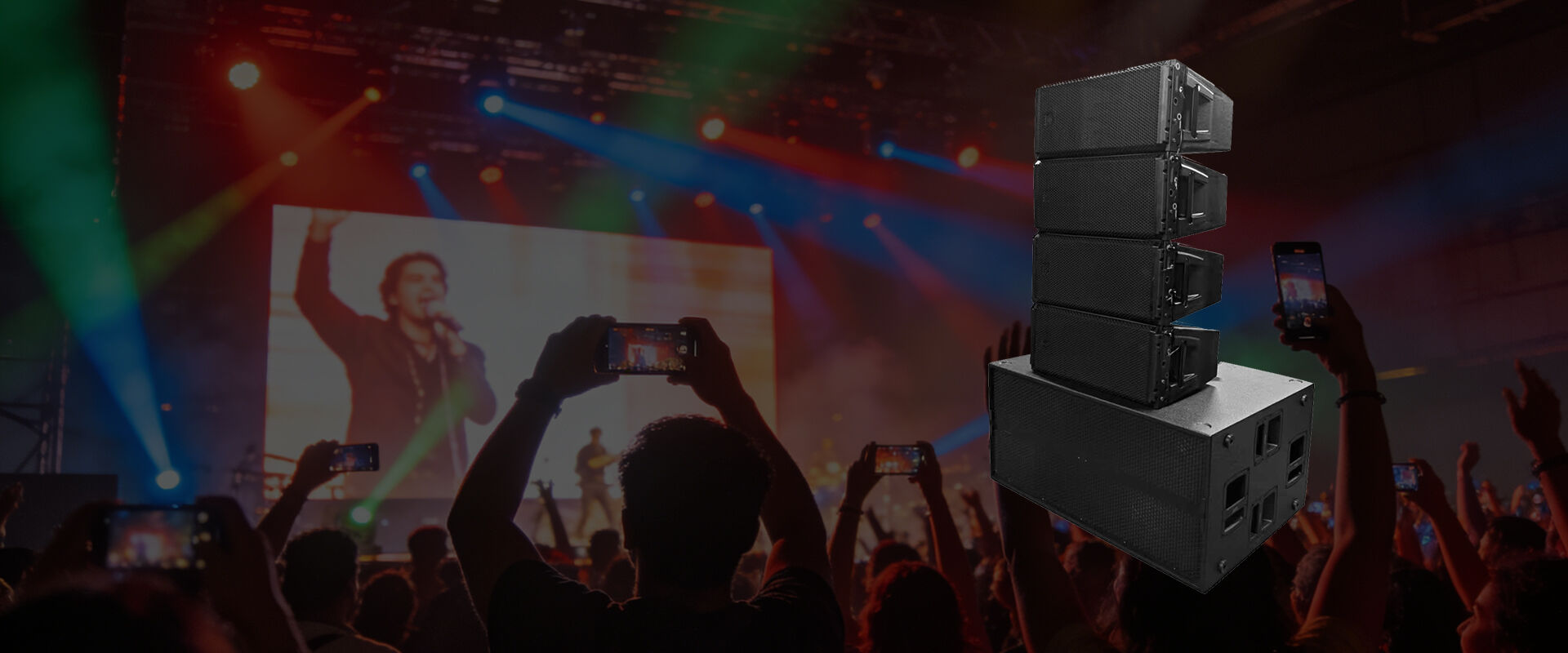
Adaptive processing technologies within an advanced audiosystem can continuously monitor venue conditions and automatically compensate for changes in ambient noise, audience density, and environmental factors. This dynamic adjustment capability ensures that sound clarity remains consistent throughout events, regardless of fluctuating acoustic conditions. The integration of machine learning algorithms in some high-end systems enables predictive adjustments based on venue usage patterns and historical performance data.
Frequency Response Optimization
The frequency response characteristics of an audiosystem play a crucial role in determining overall sound clarity, particularly in complex venues where natural acoustics may emphasize certain frequency ranges while attenuating others. Advanced audio systems utilize sophisticated driver technologies and crossover designs that maintain linear frequency response across the entire audible spectrum. This technical precision ensures that all elements of the audio content are reproduced with appropriate balance and clarity.
Modern audiosystem designs incorporate multiple driver types optimized for specific frequency ranges, allowing for precise control over the reproduction of critical vocal frequencies, musical harmonics, and transient details. The integration of advanced materials and manufacturing techniques in contemporary driver design results in significantly reduced distortion and improved clarity compared to traditional speaker technologies. These improvements are particularly noticeable in complex venues where acoustic reflections can exacerbate any inherent distortion in the audio reproduction chain.
Strategic Deployment and Configuration Methods
Array Positioning and Angle Optimization
The physical positioning and angular configuration of an audiosystem significantly impact its ability to deliver clear sound throughout complex venues. Advanced modeling software allows sound engineers to predict and optimize coverage patterns before installation, ensuring that the system configuration will provide uniform sound distribution while minimizing problematic reflections. This predictive approach prevents many common clarity issues that arise from poor system placement.
The vertical and horizontal splay angles of array elements must be carefully calculated to account for venue geometry, seating configurations, and acoustic characteristics. Modern audiosystem technologies provide precise mechanical adjustment capabilities that allow for field optimization based on actual acoustic measurements. This level of configurability ensures that the system can be fine-tuned to deliver optimal performance in even the most challenging venue environments.
Sound field prediction using modeling software can intuitively display the coverage effects and clarity distribution of different audio system types — such as J-array line arrays, spiral arrays, or constant curvature arrays — within a specific venue. Project decision-makers should pay attention to the system's "beam steering" capabilities and "asymmetrical vertical coverage" options, as these technologies directly determine whether the front rows are too loud or the rear rows can hear clearly — real-world experience factors. Application scenarios include flown line arrays in sports stadiums, hidden distributed systems in churches, and mobile stackable systems in convention and exhibition centers.
Zone Control and Localized Processing
Complex venues often benefit from zone-based audio control, where different areas of the space receive tailored processing and level adjustments. An advanced audiosystem can incorporate multiple processing zones, each optimized for the specific acoustic characteristics and usage requirements of different venue areas. This approach allows for simultaneous optimization of sound quality in areas with varying acoustic properties, such as balcony sections, floor seating, and VIP areas.
The implementation of distributed processing within an audiosystem enables real-time adjustment of parameters specific to each coverage zone. This capability is particularly valuable in venues where different areas may require different delay compensation, equalization curves, or dynamic range settings to achieve optimal clarity. The ability to independently optimize each zone while maintaining overall system coherence represents a significant advancement in venue audio technology.
Integration with Venue Infrastructure
Acoustic Treatment Coordination
The effectiveness of any audiosystem in improving sound clarity depends significantly on coordination with venue acoustic treatment and architectural features. Modern audio system design takes into account existing and planned acoustic treatments, allowing the electronic systems to work synergistically with passive acoustic control measures. This integrated approach can dramatically enhance overall sound quality while reducing the electronic processing burden on the audio system.
Professional audiosystem installations often include acoustic analysis and treatment recommendations that optimize the interaction between electronic and passive acoustic elements. This holistic approach ensures that investments in advanced audio technology are not undermined by poor venue acoustics, while also identifying opportunities to enhance system performance through strategic acoustic modifications.
Environmental Control Integration
Advanced audiosystem platforms can integrate with venue environmental control systems to automatically adjust for changing conditions that affect sound propagation and clarity. Temperature, humidity, and air circulation patterns all influence acoustic behavior, and modern systems can compensate for these variables through automated parameter adjustments. This integration capability ensures consistent audio performance regardless of environmental fluctuations.
The monitoring capabilities of contemporary audiosystem technology extend beyond traditional audio parameters to include environmental sensors and predictive algorithms. This comprehensive approach to system control allows for proactive adjustments that maintain optimal clarity under all operating conditions, reducing the need for constant manual intervention by technical staff.
FAQ
What are the most critical factors affecting sound clarity in large venues?
The most critical factors include reverberation time, background noise levels, speaker placement and directivity, frequency response uniformity, and the interaction between direct and reflected sound. Modern audiosystem technology addresses each of these factors through advanced driver designs, sophisticated signal processing, and strategic deployment methodologies that minimize problematic acoustic interactions while maximizing sound quality throughout the venue.
How does an audiosystem compensate for poor venue acoustics?
An advanced audiosystem compensates for poor venue acoustics through multiple technological approaches including directional sound control to minimize unwanted reflections, real-time digital signal processing to correct frequency response issues, adaptive delay management to reduce perceived reverberation, and dynamic range optimization to maintain clarity in noisy environments. These systems continuously analyze acoustic conditions and automatically adjust parameters to maintain optimal sound quality.
Can modern audio systems improve clarity without major venue renovations?
Yes, contemporary audiosystem technology can dramatically improve sound clarity in existing venues without requiring major architectural modifications. Advanced line array systems, sophisticated digital processing, and intelligent deployment strategies can overcome many acoustic challenges through electronic means. However, the most effective results are achieved when electronic solutions are combined with strategic acoustic treatments that address the most problematic aspects of the venue environment.
What maintenance is required to maintain optimal audiosystem performance in complex venues?
Maintaining optimal performance requires regular system calibration using professional acoustic measurement tools, periodic cleaning of speaker drivers and protective grilles, software updates to digital processing platforms, and routine inspection of mounting hardware and connections. Additionally, seasonal acoustic measurements may be necessary to account for changes in venue usage patterns or environmental conditions that could affect system performance and clarity.
Table of Contents
- Understanding Acoustic Challenges in Complex Venues
- Advanced Signal Processing and Clarity Enhancement
- Strategic Deployment and Configuration Methods
- Integration with Venue Infrastructure
-
FAQ
- What are the most critical factors affecting sound clarity in large venues?
- How does an audiosystem compensate for poor venue acoustics?
- Can modern audio systems improve clarity without major venue renovations?
- What maintenance is required to maintain optimal audiosystem performance in complex venues?