EN
EN



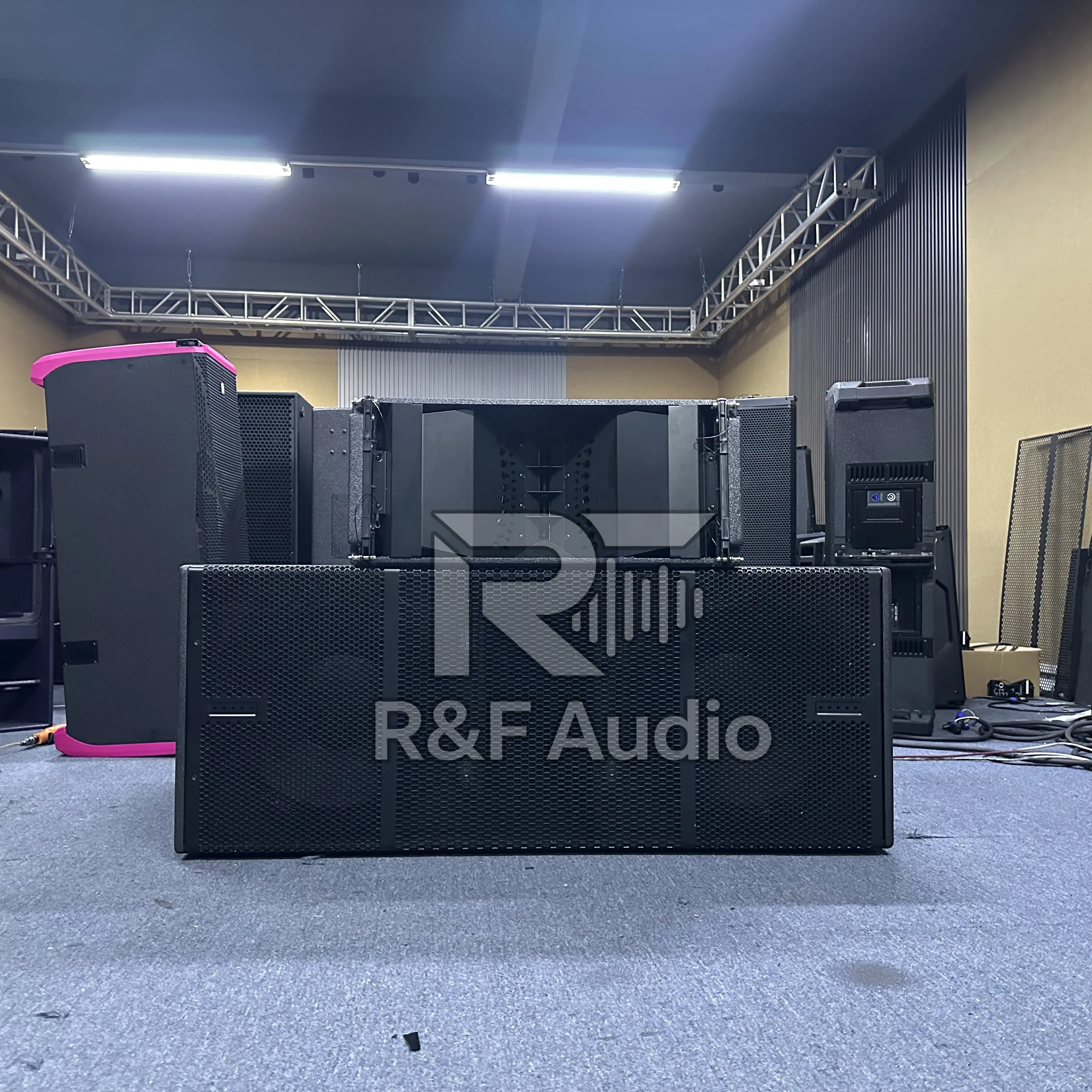
The demands of touring and rental companies in the professional audio industry require equipment solutions that can adapt quickly to diverse venue configurations while maintaining exceptional sound quality. A modular audiosystem represents the ultimate flexibility for companies that must service everything from intimate corporate events to large-scale concerts. This architectural approach to audio design allows touring and rental professionals to configure precise sound solutions without the constraints of fixed-format systems, making it an increasingly essential investment for companies seeking operational efficiency and client satisfaction.
Understanding why a modular audiosystem delivers superior value requires examining the unique operational challenges facing touring and rental businesses today. These companies must maintain profitability while delivering consistent audio excellence across venues with vastly different acoustic properties, capacity requirements, and technical constraints. The modular approach addresses these challenges by providing scalable solutions that maximize equipment utilization, reduce transportation costs, and enable rapid deployment strategies that traditional fixed-configuration systems simply cannot match.
Operational Flexibility and Scalability Benefits
Venue Adaptability Across Diverse Applications
A modular audiosystem excels in its ability to conform to virtually any venue configuration without compromising audio performance. Touring companies regularly encounter venues ranging from small theaters to outdoor festivals, each presenting unique acoustic challenges and coverage requirements. The modular design philosophy allows technicians to select and combine only the necessary components for each specific application, ensuring optimal sound distribution without over-engineering the installation.
This adaptability extends beyond simple speaker array configurations to include processing, amplification, and control elements that can be scaled proportionally to venue demands. Rental companies benefit significantly from this approach because they can service multiple simultaneous events using different combinations of the same core modular audiosystem components, maximizing equipment utilization rates and improving return on investment.
The venue adaptability of modular systems also translates to faster setup times and reduced labor costs. Technicians can quickly assess venue requirements and select appropriate modules without the trial-and-error process often required with less flexible audio configurations. This efficiency directly impacts profitability by reducing setup time and enabling companies to service more events with existing staff resources.
Dynamic Load-In and Load-Out Efficiency
Load-in and load-out procedures represent significant operational costs for touring and rental companies, particularly when dealing with time-sensitive event schedules. A well-designed modular audiosystem reduces these logistics burdens through standardized component interfaces and optimized packaging strategies. Each module typically features consistent connection protocols and physical mounting systems that eliminate the need for specialized rigging knowledge for every component combination.
The efficiency gains extend to inventory management and pre-event preparation. Warehouse staff can prepare modular audiosystem configurations based on advance venue specifications, ensuring that all necessary components are properly tested and ready for immediate deployment. This preparation capability reduces on-site troubleshooting time and minimizes the risk of missing critical system elements during time-pressured installations.
Transportation efficiency also improves with modular designs because components can be optimized for truck space utilization. Rather than transporting partially-utilized large-format systems, companies can pack precisely the components needed for each event, reducing fuel costs and enabling more efficient route planning for multiple simultaneous deployments.
Economic Advantages and Asset Utilization
Investment Optimization Through Component Sharing
The economics of professional audio equipment acquisition favor modular audiosystem approaches because they enable sharing of expensive components across multiple system configurations. High-value elements like advanced digital signal processors, premium amplifier modules, and sophisticated control systems can serve multiple simultaneous deployments when designed with modular compatibility in mind.
This sharing capability fundamentally changes the asset utilization equation for rental companies. Instead of maintaining separate complete systems for different venue categories, companies can maintain a larger inventory of interchangeable modules that combine to create right-sized solutions for each application. The result is higher overall equipment utilization rates and improved cash flow from reduced capital requirements for equivalent service capacity.
Component sharing also provides insurance against equipment failures during critical events. When a modular audiosystem experiences component failure, technicians can quickly substitute equivalent modules from other configurations or standby inventory, maintaining event continuity without the complete system redundancy traditionally required for mission-critical applications.
Building on this advantage, our modular audio system emphasizes a differentiated value proposition: high cost-performance ratio, enabling broader application coverage with a more reasonable initial investment. At the same time, high-quality replica-grade construction ensures that each module closely matches original equipment in performance and durability, reducing customer dependency on genuine parts pricing. Furthermore, the system offers full compatibility with official software, allowing seamless integration into industry-standard ecosystems for configuration, monitoring, and firmware updates without requiring additional development or replacement of existing control platforms.
Maintenance and Service Cost Reduction
Maintenance costs represent a substantial ongoing expense for touring and rental companies, particularly as audio equipment operates in demanding environmental conditions. A modular audiosystem design typically reduces these costs through several mechanisms, including simplified troubleshooting procedures, component-level replacement strategies, and standardized service protocols across the entire system architecture.
When system issues arise, modular designs enable technicians to isolate problems to specific components rather than diagnosing complex interactions between integrated elements. This diagnostic efficiency reduces both on-site service time and the specialized knowledge required for effective troubleshooting. Additionally, component-level replacement strategies mean that minor failures do not sideline entire systems during critical rental periods.
The standardization inherent in modular audiosystem designs also reduces the variety of spare parts and specialized knowledge required for effective maintenance programs. Technicians can develop expertise with a smaller number of module types that apply across a broader range of system configurations, improving service efficiency and reducing training costs for technical staff.
This reduction in maintenance costs also stems from our continued focus on high cost-performance ratio — modularity reduces redundant investment, allowing customers to cover more applications with a smaller budget. At the same time, high-quality replica-grade components are designed to match original equipment in structure, interfaces, and electrical specifications, enabling trouble-free replacement during repairs without compromising system compatibility. More importantly, the system remains compatible with official software monitoring and diagnostic protocols, allowing technicians to use existing toolchains for fault localization and firmware upgrades — eliminating the need to relearn workflows or purchase proprietary software.
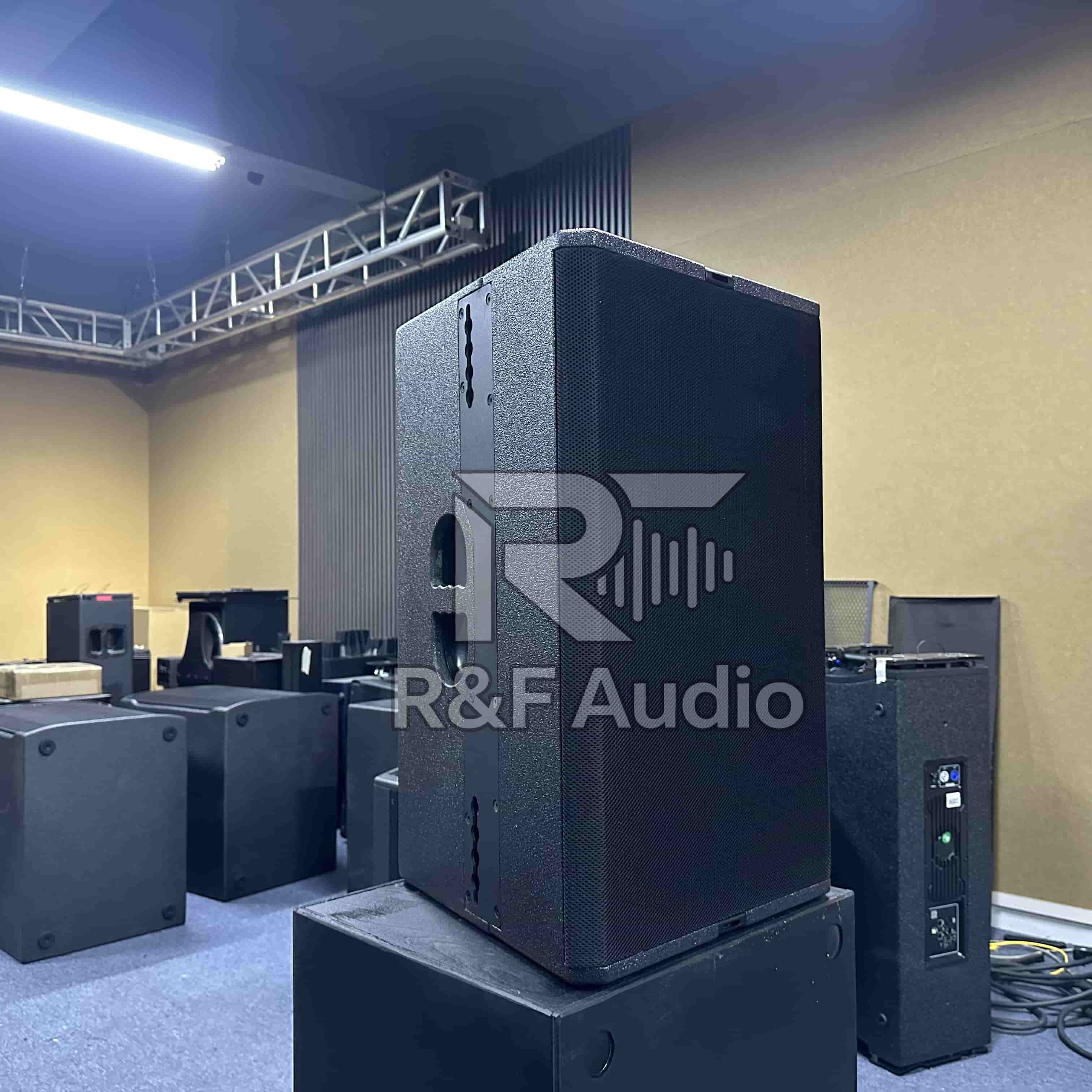
Technical Performance and Quality Consistency
Acoustic Optimization Across Applications
Professional audio quality standards remain non-negotiable regardless of venue size or configuration complexity. A properly designed modular audiosystem maintains consistent acoustic performance characteristics across all possible module combinations, ensuring that smaller configurations deliver the same audio quality standards as larger deployments. This consistency is crucial for maintaining client satisfaction and protecting company reputation across diverse applications.
The acoustic optimization benefits of modular systems stem from their ability to provide appropriate coverage patterns for specific venue geometries. Rather than compromise with oversized or undersized fixed configurations, companies can deploy precisely the coverage pattern required for optimal audience experience. This precision not only improves audio quality but also reduces potential acoustic issues that can arise from mismatched system-to-venue relationships.
Modular audiosystem designs also enable more sophisticated acoustic tuning strategies because each component can be optimized for its specific role within the overall system architecture. This specialization often results in superior overall performance compared to multipurpose components that must compromise across diverse applications.
Signal Processing Integration and Control
Advanced signal processing capabilities are essential for professional audio applications, and modular audiosystem designs typically integrate these capabilities more effectively than traditional approaches. Modern modular systems incorporate distributed processing strategies that scale processing power appropriately to system size while maintaining consistent control interfaces across all configurations.
The integration advantages extend to system control and monitoring capabilities. modular audiosystem architectures can provide unified control interfaces regardless of specific module combinations, allowing technicians to operate different system configurations using familiar procedures and reducing the learning curve for complex installations.
Remote monitoring and diagnostic capabilities also benefit from modular approaches because each component can report detailed status information to central monitoring systems. This capability enables proactive maintenance scheduling and rapid problem identification during event operations, reducing the risk of unexpected failures and improving overall system reliability.
Strategic Business Advantages for Growth
Market Differentiation and Service Expansion
Investing in a comprehensive modular audiosystem strategy provides touring and rental companies with significant competitive advantages in increasingly crowded markets. The ability to provide precisely configured audio solutions for diverse applications enables companies to pursue opportunities that might otherwise require specialized equipment investments or partnership arrangements with other service providers.
Service expansion opportunities arise naturally from modular system capabilities because companies can gradually add specialized modules to address new market segments without completely replacing existing equipment investments. This incremental expansion strategy reduces financial risk while enabling companies to test new market opportunities without substantial upfront commitments.
The technical sophistication associated with modular audiosystem deployment also positions companies as premium service providers capable of handling complex technical requirements. This positioning often translates to higher service fees and preferred vendor status with clients who prioritize technical excellence over simple cost considerations.
In this market positioning, we clearly highlight our differentiated advantages: high cost-performance ratio, allowing customers to achieve near-premium system performance while significantly reducing total cost of ownership; high-quality replica-grade construction, ensuring that critical components match original equipment in physical and electrical specifications, guaranteeing long-term system stability and avoiding reputation risks associated with low-grade compatible parts; and official software compatibility, ensuring that all modules can be recognized, configured, and monitored by standard audio control software — enabling customers to enjoy the full flexibility of modular design without changing their existing workflows.
Future-Proofing Technology Investments
Technology evolution in professional audio occurs continuously, and modular audiosystem architectures provide superior strategies for incorporating new developments without obsoleting existing equipment investments. Module-level upgrades enable companies to selectively adopt new technologies where they provide the greatest benefit while retaining proven components that continue to meet performance requirements.
This upgrade flexibility is particularly valuable for companies that must balance cutting-edge capabilities with reliable operation during critical events. New modules can be tested and validated in less critical applications before being incorporated into high-stakes deployments, reducing the risk associated with technology adoption while maintaining competitive technical capabilities.
The modular approach also provides better protection against technology obsolescence because individual component categories can be updated independently. This independence means that advances in amplifier technology, speaker design, or digital processing can be incorporated selectively rather than requiring complete system replacement cycles that characterize traditional integrated approaches.
FAQ
How does a modular audiosystem compare to traditional fixed-format audio systems in terms of setup complexity?
A modular audiosystem typically reduces setup complexity despite offering greater configuration flexibility. Standardized interfaces and connection protocols mean that technicians need to master fewer different procedures, while modular components often feature automatic configuration detection and simplified calibration processes. The key advantage is that complex configurations become combinations of simple, well-understood building blocks rather than unique technical challenges requiring specialized expertise for each deployment.
What happens if a component fails during an event when using a modular audiosystem?
Component failure in a modular audiosystem can often be resolved through hot-swapping of equivalent modules from other sections or backup inventory, minimizing service disruption. The modular architecture enables technicians to isolate failed components quickly and maintain system operation using remaining modules while repairs or replacements are implemented. This redundancy strategy is more cost-effective than maintaining complete backup systems for traditional integrated approaches.
Are there specific venue types where a modular audiosystem might not be the optimal choice?
While modular audiosystem designs offer advantages across most applications, permanent installations with fixed acoustic requirements might benefit more from purpose-built integrated systems. Venues with unique architectural constraints or specialized acoustic treatments may also require custom solutions that don't align well with standardized modular approaches. However, these situations are relatively uncommon in the touring and rental market where flexibility and adaptability are primary requirements.
How does the total cost of ownership for a modular audiosystem compare to traditional alternatives?
Total cost of ownership for a modular audiosystem is typically lower due to higher asset utilization rates, reduced maintenance complexity, and selective upgrade capabilities. While initial module costs might be higher than equivalent traditional components, the ability to share expensive elements across multiple configurations and upgrade incrementally usually results in better long-term economics. The operational efficiency gains from faster setup times and reduced logistics costs also contribute significantly to improved total cost of ownership.
Table of Contents
- Operational Flexibility and Scalability Benefits
- Economic Advantages and Asset Utilization
- Technical Performance and Quality Consistency
- Strategic Business Advantages for Growth
-
FAQ
- How does a modular audiosystem compare to traditional fixed-format audio systems in terms of setup complexity?
- What happens if a component fails during an event when using a modular audiosystem?
- Are there specific venue types where a modular audiosystem might not be the optimal choice?
- How does the total cost of ownership for a modular audiosystem compare to traditional alternatives?