အမြင့်အားကောင်းသော လိုင်းအာရေးစနစ်
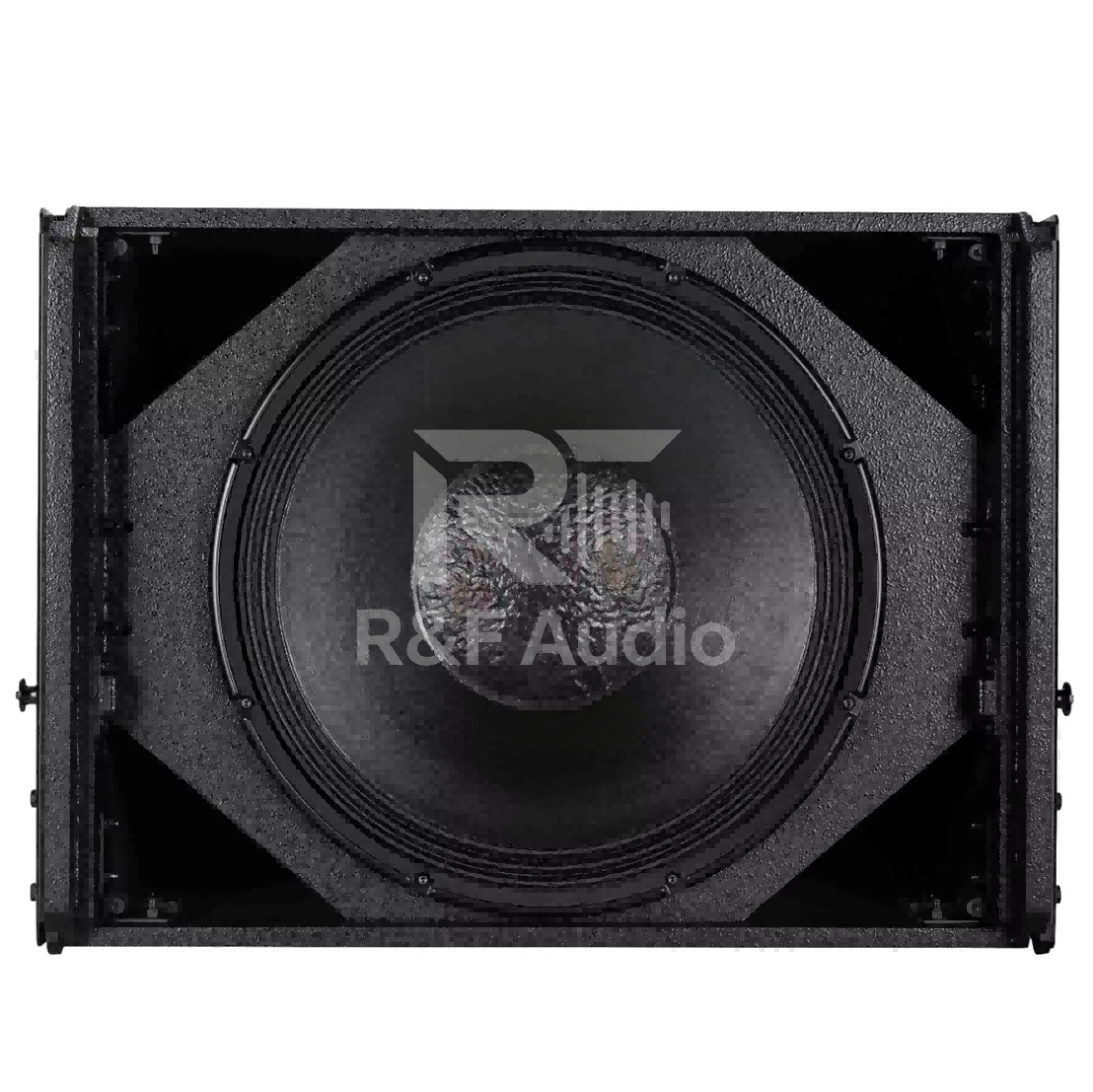
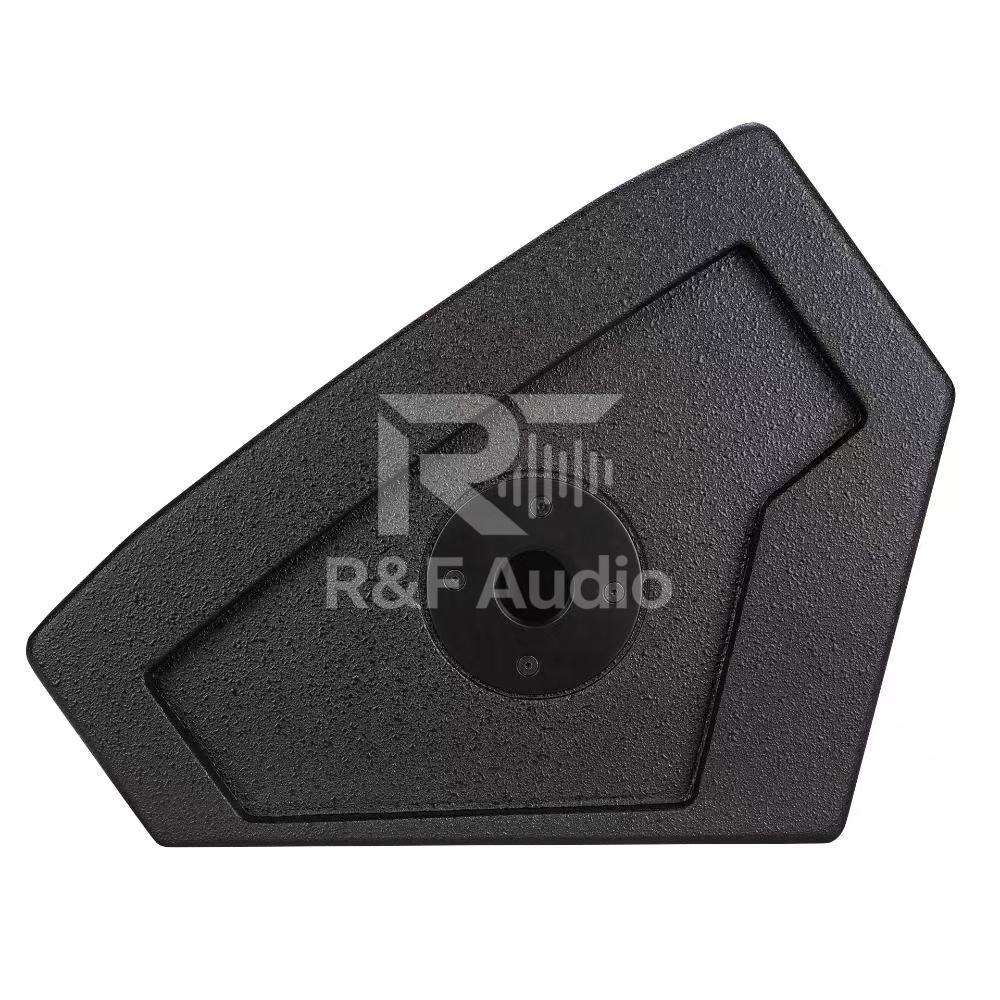
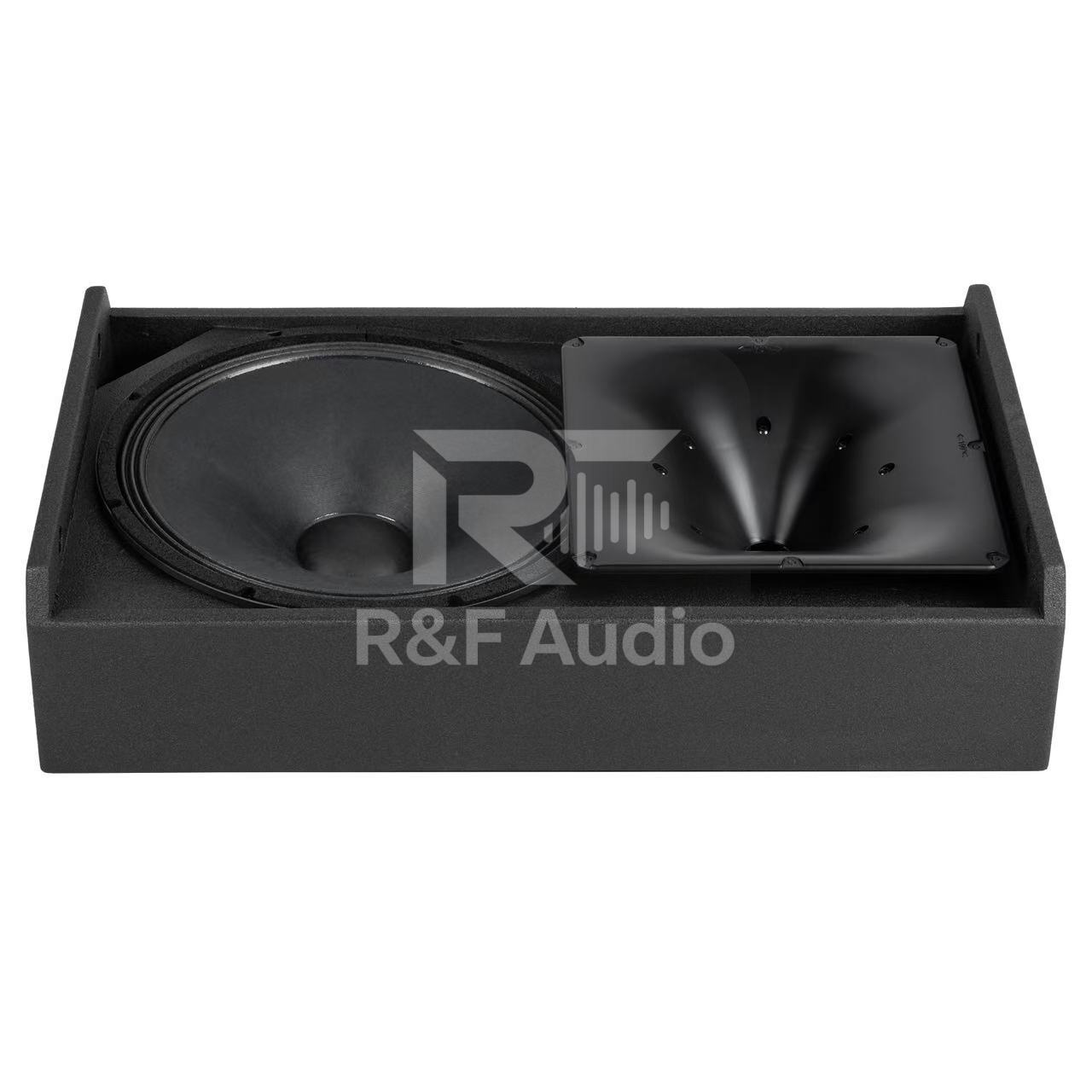
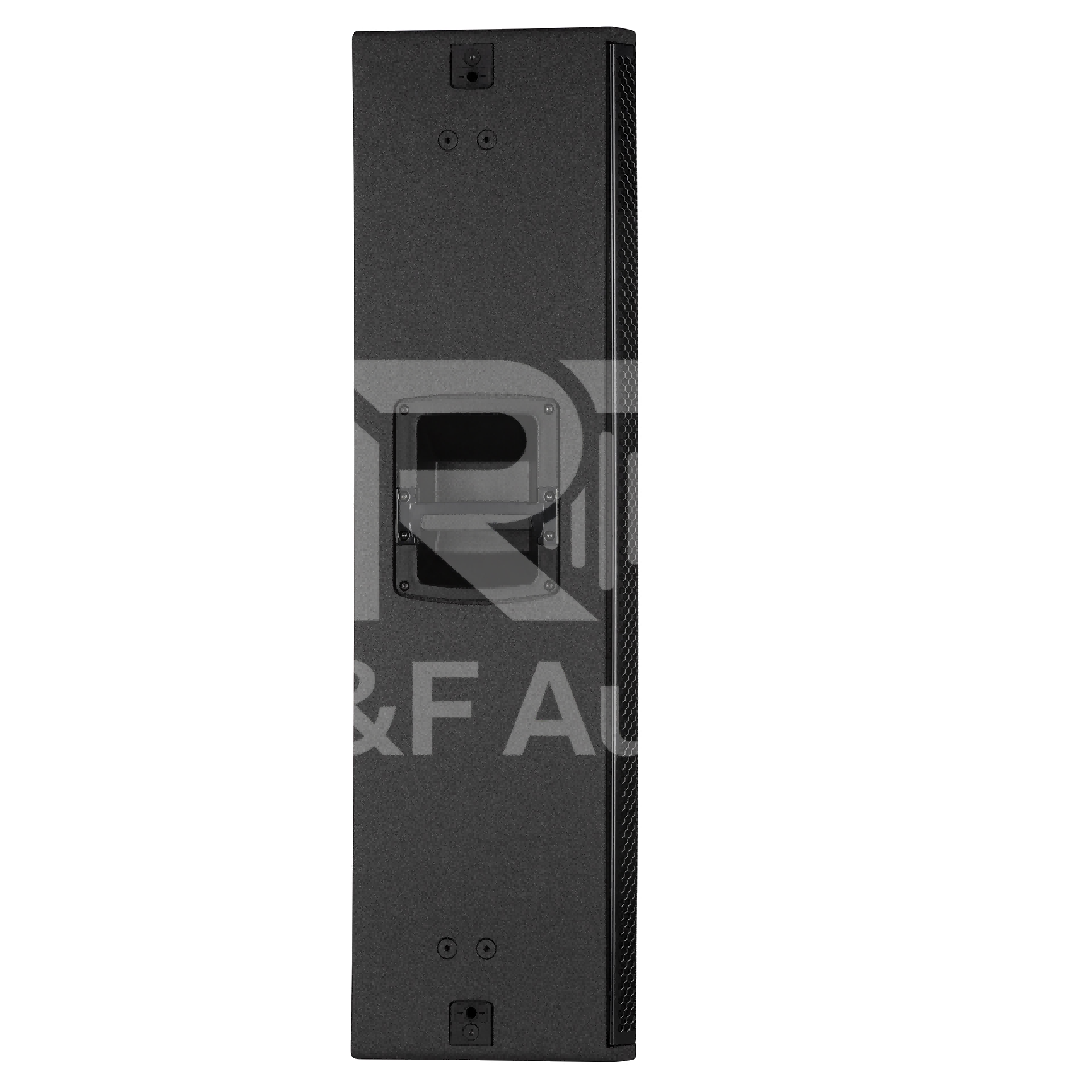
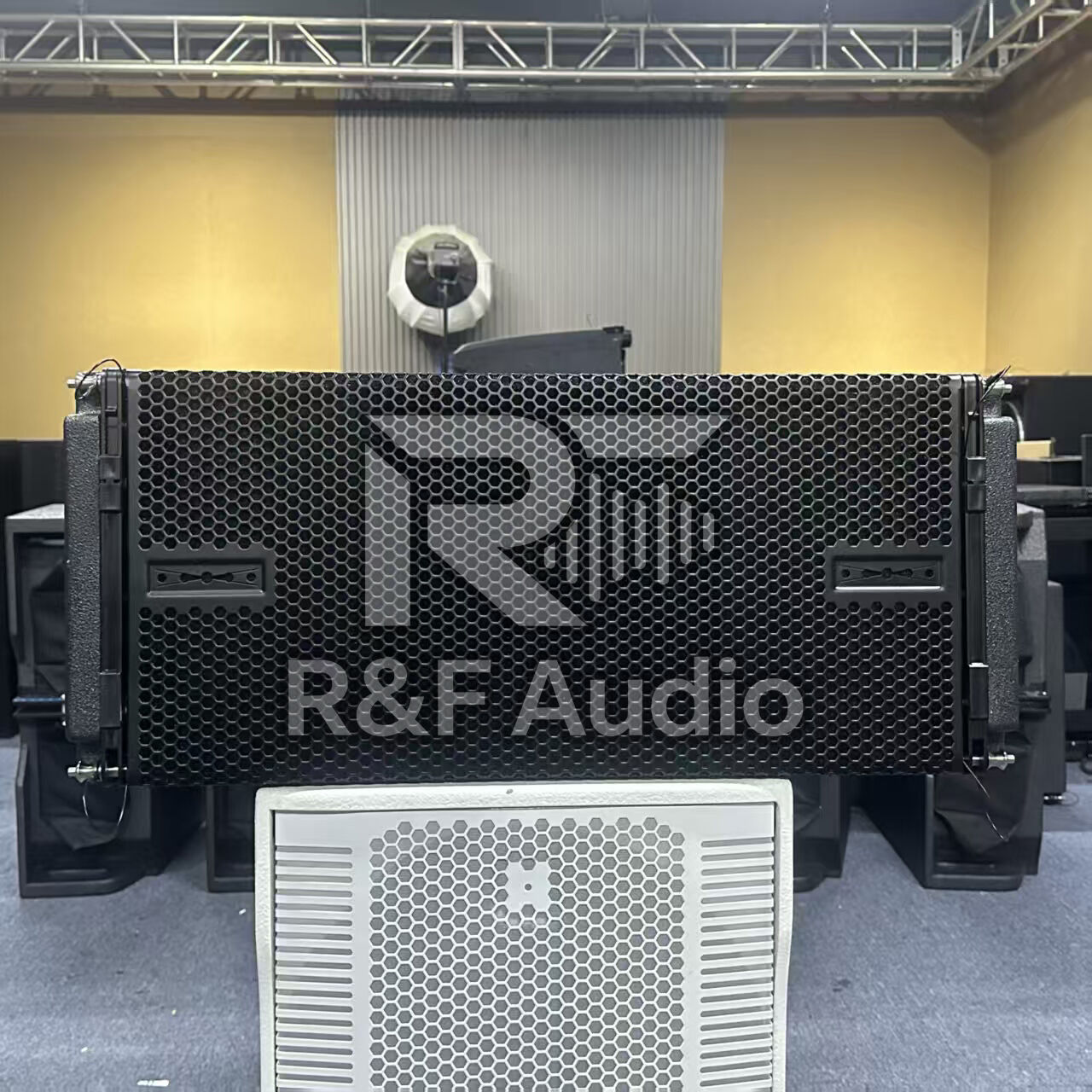
စွမ်းအင်မြင့်လိုင်း array စနစ်သည် ကြီးမားသော ပွဲများနှင့် နေရာများအတွက် ထူးခြားသော အသံအရည်အသွေးနှင့် ကွယ်ဝိုက်မှုကို ပေးနိုင်ရန် ဒီဇိုင်းထုတ်ထားသော အဆင့်မြင့် အသံဖြေရှင်းနည်းတစ်ခုဖြစ်သည်။ ဒီရှုပ်ထွေးတဲ့ အသံနည်းပညာဟာ အပေါ်ဘက်မှာ စီစဉ်ထားတဲ့ စွမ်းဆောင်ရည်မြင့် စပီကာများစွာကို ပေါင်းစပ်ပေးပြီး အသံကို အံ့မခန်း ရှင်းလင်းမှုနဲ့ တိကျမှုရှိပြီး အကွာအဝေးကြီးတွေကို ထုတ်လွှင့်နိုင်တဲ့ ယူနီဖောင်း အသံရင်းမြစ်တစ်ခု ဖန်တီးပါတယ်။ စွမ်းအင်မြင့်လိုင်း array စနစ်ဟာ အဆင့်မြင့် ဒစ်ဂျစ်တယ် အချက်ပြမှု စီမံခန့်ခွဲမှုနဲ့ ကိုယ်ပိုင် မောင်းသူ နည်းပညာကို အသုံးပြုပြီး ကြားဖြတ် နေရာအားလုံးမှာ ကြိမ်နှုန်း တုံ့ပြန်မှု တစ်သမတ်တည်းကို အာမခံပေးပါတယ်။ စနစ်အတွင်းရှိ အစိတ်အပိုင်းတိုင်းသည် အစဉ်အလာ စပီကာတပ်ဆင်မှုများကို ညှဉ်းဆဲသော အသံပျက်စီးမှု၊ အဆင့်အပြောင်းအလဲများနှင့် မညီမျှသော ကွယ်ဝိုက်မှုပုံစံများကဲ့သို့သော သာမန် အသံပြဿနာများကို ဖယ်ရှားရန် အညီအမျှ လုပ်ဆောင်သည်။ ဒီတော်လှန်ရေး အသံစနစ်ရဲ့ အဓိက လုပ်ဆောင်ချက်တွေကတော့ ကျယ်ပြန့်တဲ့ အသံဖြန့်ဖြူးမှု၊ အာရုံစိုက်ထားတဲ့ အလင်းတန်း ထိန်းချုပ်မှု၊ နေရာရဲ့ လက္ခဏာတွေကို တုံ့ပြန်တဲ့ လိုက်ဖက်တဲ့ အသံပုံစံပေးခြင်းတွေပါ။ နည်းပညာပိုင်းဆိုင်ရာ အချက်အလက်များမှာ ခေတ်မီဆုံး အသံချဲ့ထွင်ရေး မော်ဂျူးများ၊ အသိဉာဏ်ရှိတဲ့ ကပ်ကူးကွန်ရက်များနှင့် အချိန်နှင့်တပြေးညီ စောင့်ကြည့်နိုင်စွမ်းများ ပါဝင်ပြီး အသုံးပြုမှု ကာလရှည်အတွင်း အကောင်းဆုံး စွမ်းဆောင်ရည်ကို ထိန်းသိမ်းပေးသည်။ ခေတ်သစ် စွမ်းအင်လိုင်း array စနစ်များတွင် ကြိုးမဲ့ ချိတ်ဆက်မှု ရွေးချယ်မှုများကို ထည့်သွင်းထားပြီး အထူးဆော့ဝဲ ကြားခံစနစ်များ အသုံးပြု၍ အသံအင်ဂျင်နီယာများသည် ဝေးလံသော နေရာများမှ ချက်ချင်းပြင်ဆင်နိုင်သည်။ အဆိုပါ အသုံးများသည် ဖျော်ဖြေပွဲရုံများနှင့် အားကစားရုံများမှအစ ကုမ္ပဏီများ၏ ညီလာခံများနှင့် အပြင်ပန်းပွဲတော်များအထိ လုပ်ငန်းများစွာကို လွှမ်းမိုးသည်။ ကျွမ်းကျင် ခရီးသွားကုမ္ပဏီတွေဟာ ဒီစနစ်တွေကို များစွာ အားကိုးကြတာက ၎င်းတို့ကို နေရာအမျိုးမျိုးအတွက် မြန်မြန်စွာ ဖြန့်ချိပြီး ပုံသွင်းနိုင်လို့ပါ။ မြင့်မားသော စွမ်းအင်လိုင်း array စနစ်သည် ရုပ်ရှင်ရုံများ၊ ဝတ်ပြုမှု ဗဟိုဌာနများနှင့် ညီလာခံအဆောက်အအုံများကဲ့သို့သော အမြဲတမ်းတည်ဆောက်မှုများတွင်လည်း ကျယ်ပြန့်စွာအသုံးပြုသည်။ ပညာရေး အဖွဲ့အစည်းများတွင်လည်း အဲဒီလို စနစ်များဖြင့် ထိရောက်စွာ ဆက်သွယ်နိုင်ရန်အတွက် စကားပြောဆိုမှု နားလည်နိုင်ရန် အရေးကြီးတဲ့ အခန်းများတွင် အသုံးပြုနိုင်ကြပါတယ်။ စွမ်းအင်မြင့်လိုင်း array စနစ်ရဲ့ ပျော့ပြောင်းနိုင်စွမ်းက ယာယီနဲ့ အမြဲတမ်း အသံ ဖြေရှင်းမှု နှစ်ခုလုံးအတွက် အကောင်းဆုံး ရွေးချယ်မှုတစ်ခုဖြစ်စေတယ်။
 ×
×

 EN
EN