EN
EN


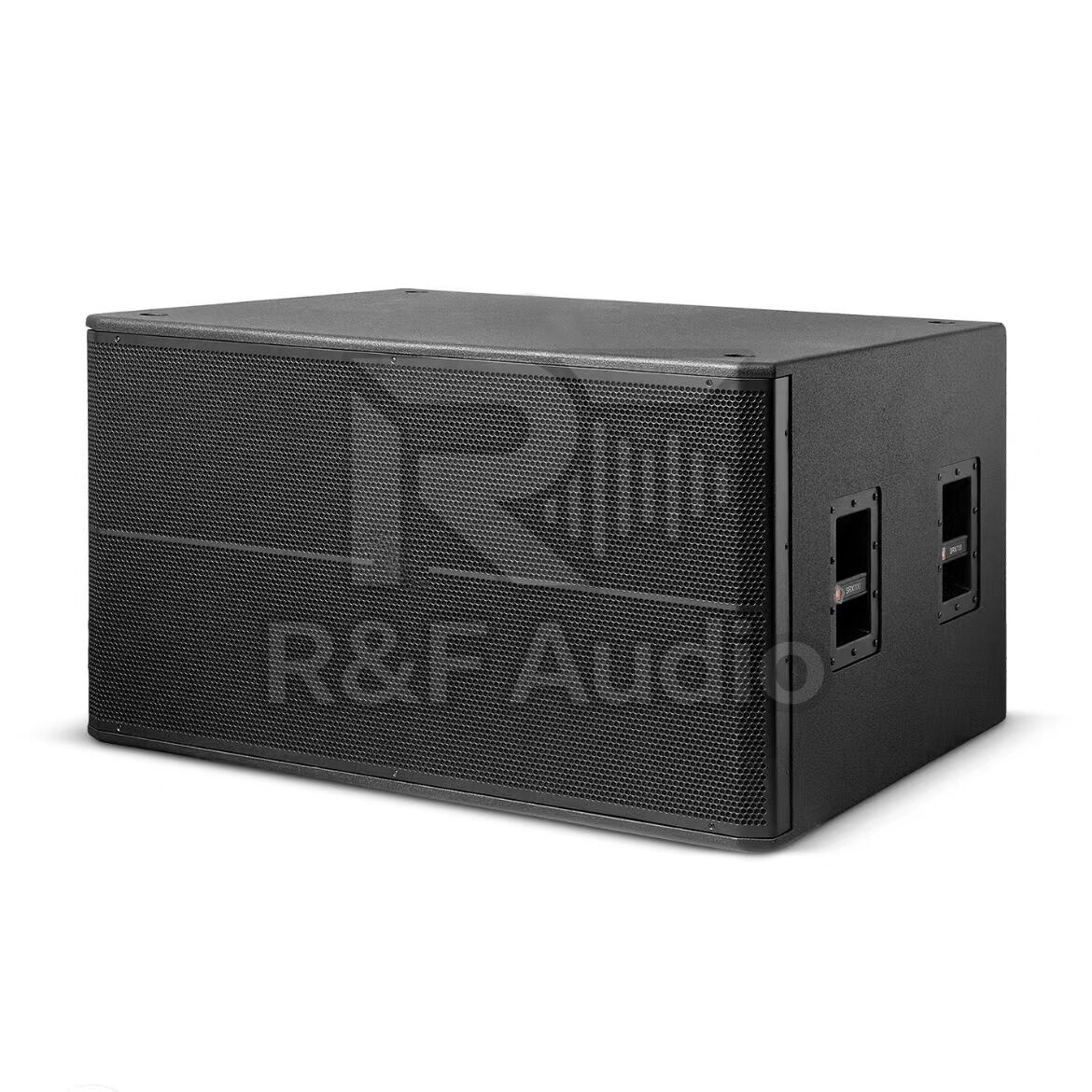
လိုက်လျောညီထွေသော အသံပြန်လည်မှုန်ဝါးခြင်း (live sound reinforcement) တွင် နက်ရှိုင်းပြီး အားကောင်းမာန်မာန်ဖြစ်သော အသံအနိမ့်များကို ထိရောက်စွာ ထုတ်လုပ်ရေးသည် အသံအင်ဂျင်နီယာများနှင့် အဖွဲ့အစည်းများအတွက် အရေးကြီးဆုံးသော စိန်ခေါ်မှုများထဲမှ တစ်ခုဖြစ်သည်။ ဆပ်ဝူဖာ စူပာဘာစ် (subwoofer) သည် အသံကြားနိုင်သော အကြိမ်နှုန်းအနိမ့်ဆုံးများကို ထုတ်လုပ်ရန် အထူးပြုထုတ်လုပ်ထားသော အသံပြန်လည်မှုန်ဝါးမှု အသံပြောက် (loudspeaker) အစိတ်အပိုင်းဖြစ်ပြီး ယေဘုယျအားဖြင့် ၂၀ Hz မှ ၂၀၀ Hz အထိ အကြိမ်နှုန်းအနိမ့်များကို ဖော်ပေးနိုင်ပါသည်။ ထိုအကြိမ်နှုန်းအနိမ့်များကို ပုံမှန်အသံပြောက်များဖြင့် ထုတ်လုပ်ရာတွင် အများအားဖြင့် မလုံလောက်ပါ။ ဆပ်ဝူဖာ လိုက်လျောညီထွေသော အသံပြန်လည်မှုန်ဝါးမှုစနစ်တွင် စူပာဘာစ် (subwoofer) ကို အထူးသော အသုံးပြုမှုအဖွဲ့အစည်းအဖြစ် မထည့်သွင်းပါက ပရိသတ်များ၏ စိတ်ဝင်စားမှုကို အားပေးသော အသံအနိမ့်စွမ်းအင်များ — ဥပမါ ဒရမ်ခေါက်သော အသံအနိမ့်များ၊ ဘေးစ်ဂစ်တာ၏ နက်ရှိုင်းသော အသံအနိမ့်များ သို့မဟုတ် အီလက်ထရွနစ်အသံများ၏ အလွန်နက်ရှိုင်းသော အသံအနိမ့်များ — ကို လုံလောက်သော အင်အားဖြင့် သို့မဟုတ် တိကျမှုဖြင့် ထုတ်လုပ်နိုင်မည်မဟုတ်ပါ။
စားကပ်ခလုတ် (Circuit Breaker) အလုပ်လုပ်ပုံကို ဆပ်ဝူဖာ လိုင်းဗီဒီယိုပွဲများတွင် ဘက်စ်အသံအရည်အသွေးကို မြင့်တင်ခြင်းသည် နိမ့်သောအသံအကြိမ်နှုန်းများတွင် အသံအထူးပိုမိုကြီးမားစေရန် ရုံးသောအရှုပ်အထွေထွေဖော်ပေးခြင်းကို သာ၍ကျော်လွန်သော အရှုပ်အထွေထွေဖော်ပေးခြင်းဖြစ်သည်။ အသံဖော်ပေးမှုဆိုင်ရာ ရူပဗေဒ၊ စနစ်ပေါင်းစည်းမှု၊ ကရော့စ်အောဗာစီစီမေးန်န်မေးန်တ် (crossover management)၊ အသံစနစ်ထားရှိမှုနေရာရွေးချယ်မှု၊ အသံအချက်အလက်ဖော်ပေးမှု စသည်တို့သည် အသံကြားရသည့်အတွေ့အကြုံကို အသံထွက်မှုနှင့် အတူတူပဲ အားကောင်းမှုကို ခံစားရစေရန် အားလုံးပူးပေါင်းလုပ်ဆောင်ကြသည်။ ပွဲနေရာသည် အောက်ပေါက်ပွဲများအတွက် ပွဲမိုးကုတ်ပွဲများ၊ အတွင်းပိုင်းအာရီနာများ၊ ကလပ်များ သို့မဟုတ် ကုမ္ပဏီပိုင်ပွဲများအတွက် နေရာများဖြစ်စေကာမျှ မှန်ကန်သော ဆပ်ဝူဖာ ဖြေရှင်းနည်းကို အသုံးပြုခြင်းဖြင့် အသံစနစ်အားလုံး၏ အရည်အသွေးကို ပြောင်းလဲပေးပြီး ပရိသတ်များ၏ အသံကြားရသည့်အတွေ့အကြုံကို အပြည့်အဝအသံထွက်သည့် ကာဘီနက်များသာ အောင်မြင်စေနိုင်သည့် နည်းလမ်းများဖြင့် မြင့်တင်ပေးပါသည်။
လိုင်းဗီဒီယိုအသံဖော်ပေးမှုတွင် စူးဘူးဖ်အော်ဖ် (Subwoofer) ၏ အသံဖော်ပေးမှုဆိုင်ရာ အခန်းကဏ္ဍ
အကြိမ်နှုန်းခွဲခြမ်းခြင်းနှင့် စပက်ထရမ်တာဝန်ခံမှု
ပရော်ဖက်ရှင်နယ် လိုင်းဗီဒီယိုအသံစနစ်တိုင်းသည် ကြားနိုင်သော အကြိမ်နှုန်းစပက်ထရမ်ကို အသံထွက်မှုအများအပြားအတွင်း အကြိမ်နှုန်းအကောင်းဆုံးအောင် အသုံးပြုနိုင်ရန် အသံထွက်များအား အကောင်းဆုံးအကြိမ်နှုန်းအကွာအဝေးများအတွင်း ခွဲခြမ်းပေးပါသည်။ အပြည့်အဝအသံထွက်သည့် အပေါ်ပိုင်းအသံထွက်များ သို့မဟုတ် အလယ်နှင့် အမြင့်အသံထွက်များသည် အသံထွက်မှုအတွင်း အသံထွက်မှုအတွင်း အသံထွက်မှုအတွင်း အသံထွက်မှုအတွင်း အသံထွက်မှုအတွင်း အသံထွက်မှုအတွင်း အသံထွက်မှုအတွင်း အသံထွက်မှုအတွင်း အသံထွက်မှုအတွင်း အသံထွက်မှုအတွင်း အသံထွက်မှုအတွင်း အသံထွက်မှုအတွင်း အသံထွက်မှုအတွင်း အသံထွက်မှုအတွင်း အသံထွက်မှုအတွင်း အသံထွက်မှုအတွင်း အသံထွက်မှုအတွင်း အသံထွက်မှုအတွင်း အသံထွက်မှုအတွင်း အသံထွက်မှုအတွင်း အသ...... ဆပ်ဝူဖာ အဆိုပါ စနစ်သည် စွမ်းဆောင်ရည်၏ ရုပ်ပိုင်းဆိုင်ရာ အလေးချိန်နှင့် ခန္တာကိုယ်အတွင်း ခံစားရသော အကျိုးသက်ရောက်မှုကို ဖော်ပေးသည့် နိမ့်သော ကြိမ်နှန်းအကြောင်းအရာများကို တာဝန်ယူပါသည်။ ဤ စပက်ထရမ် အခွဲအစေးမှုသည် အရေးကြီးပါသည်။ အကူးအပြောင်းမှုများ၊ စွမ်းဆောင်ရည်လျော့နည်းမှုများနှင့် ဒရိုင်ဘာများပေါ်တွင် အပူလေးနက်မှုများကို ဖော်ပေးသည့် အကြောင်းကြောင့် တစ်ခုတည်းသော အပြည့်အဝ ကြိမ်နှန်းအကြောင်းအရာများကို ပြန်လည်ထုတ်လွှင်ရန် ကြိုးစားခြင်းသည် မှားယွင်းသည်။
အချိန်တစ်လှိုင်မှာ ဆပ်ဝူဖာ အသံစနစ်တွင် ထည့်သွင်းအသုံးပြုသည့်အခါ အမြင့်ကြိမ်နှန်း ကာဘီနက်များသည် သူတို့၏ အကောင်းဆုံး အလုပ်လုပ်နေသော ကြိမ်နှန်းအကြောင်းအရာများအတွင်း လုပ်ဆောင်နိုင်ပါသည်။ အထူးသဖြင့် သူတို့သည် အနိမ့်ကြိမ်နှန်း အကြောင်းအရာများကို ကိုင်တွယ်ရန် မ designed ထားသောကြောင့် အလုပ်လုပ်ရန် မလိုအပ်ပါ။ ထို့ကြောင့် အကောင်းဆုံး ရှင်းလင်းမှုကို အကောင်းဆုံး ကြိမ်နှန်းအားလုံးတွင် ရရှိပါသည်။ အလယ်ကြိမ်နှန်းများသည် ပိုမိုသန့်စင်ပါသည်။ အမြင့်ကြိမ်နှန်းများသည် ပိုမိုရှင်းလင်းသော အသံသေးစိတ်များကို ထိန်းသိမ်းထားပါသည်။ အနိမ့်ကြိမ်နှန်းများသည် အာရုံစိုက်မှုရှိပြီး ထိန်းချုပ်မှုရှိသော သဘောသော အသံများကို ဖော်ပေးပါသည်။ ထိုအသံများသည် စုစုပေါင်း အသံရှိမှုကို အားပေးပါသည်။ အသံရှိမှုကို လွန်ကဲစေခြင်း မရှိပါ။ ဤကဲ့သို့သော ကြိမ်နှန်းစီမံခန့်ခွဲမှုသည် ပရော်ဖက်ရှင်နယ် အသံအင်ဂျင်နီယာများသည် သီးသန့် ဆပ်ဝူဖာ အသုံးပြုရန် အဓိက အကြောင်းရင်းဖြစ်ပါသည်။ အသုံးပြုမှု .
ရုပ်ပိုင်းဆိုင်ရာ အထွက်နှင့် အသံဖိအား အဆင့်များ
နိမ့်သောကြိမ်နှန်းရှိသောအသံကို ထုတ်လုပ်ရန်အတွက် အလယ်နှင့် မြင့်သောကြိမ်နှန်းများထက် အရမ်းများစွာသောစွမ်းအင်လိုအပ်ပါသည်။ လေပမာဏအား နှေးကွေးပြီး နက်ရှိုင်းသော စက်ဝန်းများဖြင့် ရွေ့လျားစေရန်အတွက် ဒရိုင်ဘာအချင်းကြီးများ၊ အထွက်အကွာအကာ (excursion) များများရှိမှုနှင့် ပိုမိုခိုင်မာသော အာမ်ပလီဖိုင်ယာများ လိုအပ်ပါသည်။ ပရော်ဖက်ရှင်နယ် ဆပ်ဝူဖာ သည် ဤရူပဗေဒအခြေအနေများကို အခြေခံ၍ ဒီဇိုင်းထုတ်ထားပါသည်။ ယင်းတွင် အများအားဖြင့် ၁၈-လက်မ (သို့မဟုတ် ထိုထက်ကြီးသော) ဝူဖာဒရိုင်ဘာများကို နိမ့်သောကြိမ်နှန်းထုတ်လုပ်မှုနှင့် အကောင်းဆုံးအကျယ်ပေးမှုအတွက် အထူးပြုထုတ်လုပ်ထားသော အိုင်အိုက်စ် (enclosures) များတွင် ထည့်သွင်းထားပါသည်။ အိုင်အိုက်စ်ဒီဇိုင်းသည် ပေါက်ပေါက် (ported)၊ ဘန်းဒ်ပါစ် (bandpass) သို့မဟုတ် ဟော်န်လေးဒ် (horn-loaded) ဖြစ်စေကာမျှ အာမ်ပလီဖိုင်ယာစွမ်းအင်ကို အသုံးပြုနိုင်သော အသံစွမ်းအင်အဖြစ် ပေါ်လွင်စေရန် ထိရောက်မှုကို သတ်မှတ်ပေးပါသည်။ ဆပ်ဝူဖာ သည် အာမ်ပလီဖိုင်ယာစွမ်းအင်ကို အသုံးပြုနိုင်သော အသံစွမ်းအင်အဖြစ် ပေါ်လွင်စေရန် ထိရောက်မှုကို သတ်မှတ်ပေးပါသည်။
ကြီးမားသောနေရာများတွင် အသက်ရှင်နေသောအသံဖြစ်စဥ်များတွင် အများအားဖြင့် အများအပြား ဆပ်ဝူဖာ ယူနစ်များကို အသံဖိအားအဆင့်များကို လုံလောက်စွာရရှိစေရန်အတွက် အချိန်ပိုင်းအလုံးစုံဖြင့် စီစဥ်လေ့ရှိပါသည်။ စားပွဲအောက်နေရာတွင် အသံဖိအားအဆင့်များကို မျှတစွာဖြန့်ဖေးပေးရန်အတွက် အထူးသဖြင့် အသံအတိုးအကျယ်များကို အသုံးပြုကြပါသည်။ စားပွဲအောက်နေရာတွင် အသံဖိအားအဆင့်များမှာ အသံအတိုးအကျယ်များကို အလွန်မြင့်မားစေရန်အတွက်သာမက ပရိသတ်များသည် အသံအတိုးအကျယ်များကို နားဖြင့်သာမက ခန္တာကိုယ်ဖြင့်ပါ ခံစားရသည့် ခန္တာကိုယ်နှင့်ဆိုင်သော အသံအတိုးအကျယ်များကို ဖန်တီးပေးပါသည်။ အသံအတိုးအကျယ်များကို အသုံးပြုသည့် အချိန်တွင် ခန္တာကိုယ်နှင့်ဆိုင်သော အသံအတိုးအကျယ်များကို ဖန်တီးပေးရန်အတွက် စနစ်သည် အသံအတိုးအကျယ်များကို အသုံးပြုရန်အတွက် အသေးစိတ်သတ်မှတ်ထားသည့် စနစ်ဖြစ်ရပါမည်။ ဆပ်ဝူဖာ စနစ်သည် အသေးစိတ်သတ်မှတ်ထားသည့် အထွက်စွမ်းရည်ဖြင့် လုပ်ဆောင်နေရပါမည်။
ကရော့စ်အောဗာ ပေါင်းစပ်မှုနှင့် အသံအချက်ပေးမှုစီမံခန့်ခွဲမှု
အက်တစ်နှင့် ပက်စ်စစ် ကရော့စ်အောဗာ စနစ်များ
အသံအတိုးအကျယ်များကို အသုံးပြုသည့် အချိန်တွင် အရေးကြီးဆုံးသော နည်းပညာဆိုင်ရာအချက်များထဲမှ တစ်ခုမှာ ဆပ်ဝူဖာ အသံအတိုးအကျယ်များကို အသုံးပြုသည့် အချိန်တွင် ကရော့စ်အောဗာဖြစ်ပါသည်။ ကရော့စ်အောဗာသည် အနိမ့်အသံအတိုးအကျယ်များကို အသံအတိုးအကျယ်များသို့ လွှဲပေးပါသည်။ အမြင့်အသံအတိုးအကျယ်များကို အသံအတိုးအကျယ်များသို့ လွှဲပေးပါသည်။ ဆပ်ဝူဖာ ခေတ်မှီ အက်တစ် ဆပ်ဝူဖာ ဒီဇိုင်းများတွင် ကရော့စ်အောဗာသည် အများအားဖြင့် အာမ်ပလီဖိုင်ယာမော်ဂျူယ်အတွင်းသို့ တိုက်ရိုက်ထည့်သွင်းထားပါသည်။ ထို့ကြောင့် အတွဲဖက်အော်ဒီယိုဘောက်စ်များ၏ အရည်အသွေးနှင့် ကိုက်ညီသည့် တိကျသော အီလက်ထရွန်နစ်ဖီလ်တာများကို ချိန်ညှိနိုင်ပါသည်။ ဤအက်တစ်ကရော့စ်အောဗာချဉ်းကပ်မှုသည် ပက်စ်စစ်နည်းလမ်းများထက် ပိုမိုတိကျမှုနှင့် ပိုမိုကျယ်ပေါ်သော အသုံးဝင်မှုရှိပါသည်။ အင်ဂျင်နီယာများသည် စနစ်၏ အကောင်းဆုံး သဟဇာတဖော်မှုအတွက် ကရော့စ်အောဗာမှုနှုန်းများ၊ စလော့ပ်များနှင့် ဖေ့စ်ညှိမှုများကို တိကျစွာ သတ်မှတ်နိုင်ပါသည်။
ကရော့စ်အော်ဘာအမှတ်သည် လိုက်လျောညီထွေရှိသော အသံစနစ်၏ အရည်အသွေးကို အကောင်းဆုံးဖော်ပေးရေးအတွက် အလွန်အရေးကြီးပါသည်။ ကရော့စ်အော်ဘာမှုနှုန်းကို အလွန်မြင့်မားစွာ သတ်မှတ်ပါက ဆပ်ဝူဖာ သည် အထက်ပိုင်းအသံစနစ်များနှင့် အော်ဖ်လပ်ပ်ဖော်မှုရှိသည့် အသံများကို ပြန်လည်ထုတ်လွှင်ရန် ကြိုးစားမှုပြုလုပ်ပါမည်။ ထိုအခါ ဖေ့စ်ဖျက်သိမ်းမှု (phase cancellation) နှင့် အလယ်အလေးအသံနယ်ပယ် (mid-bass region) တွင် မတည်မဲ့သော အသံများ၏ မှုန်ဝါးမှု (uneven frequency response) ဖြစ်ပေါ်လာပါမည်။ အလွန်နိမ့်မားစွာ သတ်မှတ်ပါက ဆပ်ဝူဖာ နှင့် အထက်ပိုင်းအသံစနစ်များ၏ အနိမ့်အသံထွက်နှုန်းအကြားတွင် အသံဖြတ်တောက်မှု (gap) ဖြစ်ပေါ်လာပါမည်။ ထိုအခါ အသံသည် အလွန်ခေါင်းထောင်ပြီး အသံအားနည်းမှု (hollow sound) ဖြစ်ပေါ်လာပါမည်။ ပရော်ဖက်ရှင်နယ်အဆင့်ရှိ အက်တစ် ဆပ်ဝူဖာ စနစ်များတွင် DSP ထိန်းချုပ်သော ကရော့စ်အိုဗာများ ပါဝင်ပြီး အင်ဂျင်နီယာများအနေဖြင့် စနစ်အစိတ်အပိုင်းများကြား ချောမွေ့သော အကူအညီပေးသည့် အပ်ဒေ့တ်များကို ချိန်ညှိနေရာတွင် အထောက်အကူပေးပါသည်။
ဖေ့စ် အလိုင်းနံင့် အချိန် ပြင်ဆင်ခြင်း
ဖေ့စ် အလိုင်းနံင့်ခြင်းသည် အသံစနစ်တစ်ခု၏ အခြားအစိတ်အပိုင်းများနှင့် မည်သို့ အကောင်းဆုံး ပေါင်းစပ်မှုရှိမည်ကို တိုက်ရိုက်သက်ရောက်စေသည့် နည်းပညာဆိုင်ရာ အတတ်ပညာဖြစ်သည်။ ဆပ်ဝူဖာ လှုပ်ရှားနေသော အသံစနစ်၏ ကျန်အစိတ်အပိုင်းများနှင့် ပေါင်းစပ်အသုံးပြုနိုင်ပါသည်။ အသံသည် အမြဲတမ်း အမြန်နှုန်းတစ်ခုတည်းဖြင့် ခရီးသွားပါသည်။ ထို့အပြင် ဆပ်ဝူဖာ အသံစနစ် ဆပ်ဝူဖာ အသံစနစ် ဆပ်ဝူဖာ .
ခေတ်မှီ အက်တစ် ဆပ်ဝူဖာ ဒစ်ဂျစ်တယ် စီဂျနယ် ပရောစက်ဆင်နှင့် တပ်ဆင်ထားသည့် ယူနစ်များ ဆပ်ဝူဖာ သံဖမ်းနေရာတွင် အထိပ်များနှင့် တစ်ပါတည်း လျော်ညီမှုရှိပါသည်။ ဤလျော်ညီမှုကြောင့် အသံသည် စိတ်ချရပြီး အဆက်မပဲ့သော အသံအဖွဲ့အစည်းဖြစ်လာပါသည်။ အထူးသဖြင့် ဘက်စ်အသံများသည် အသံရောစပ်မှု၏ ကျန်အစိတ်အပိုင်းများနှင့် ယှဉ်ပြိုင်မှုမရှိဘဲ အားဖေးပေးမှုသာ ဖြစ်ပါသည်။ ဖေ့စ်နှင့် အချိန်လျော်ညီမှုသည် အသံအင်ဂျင်နီယာများ လုပ်ဆောင်နိုင်သည့် အကျေးဇူးအများဆုံး ကေလိန်ဒာချိန်ညှိမှုအဆင့်ဖြစ်ပြီး အရည်အသွေးမြင့်မားပါသည်။ ပရော်ဖက်ရှင်နယ်အဆင့် သတ်မှတ်ထားသည့် ဆပ်ဝူဖာ .
နေရာချထားမှုန strategy နှင့် ဖုံးလွှမ်းမှုပုံစံများ
မြေပြင်ပေါ်တွင် စုစည်းချထားခြင်းနှင့် အုပ်စုဖွဲ့စည်းမှုများ
အသံထုတ်လွှမ်းမှု ဆပ်ဝူဖာ အသံထုတ်လွှမ်းမှု ပတ်ဝန်းကျင်တွင် ဘက်စ်စွမ်းအင်သည် နေရာတွင် အထိရောက်ဆုံးဖြစ်စေရန် အထိရောက်ဆုံးဖြစ်စေရန် အထိရောက်ဆုံးဖြစ်စေရန် အထိရောက်ဆုံးဖြစ်စေရန် အထိရောက်ဆုံးဖြစ်စေရန် အထိရောက်ဆုံးဖြစ်စေရန် အထိရောက်ဆုံးဖြစ်စေရန် အထိရောက်ဆုံးဖြစ်စေရန် အထိရောက်ဆုံးဖြစ်စေရန် အထိရောက်ဆုံးဖြစ်စေရန် အထိရောက်ဆုံးဖြစ်စေရန် အထိရောက်ဆုံးဖြစ်စေရန် အထိရောက်ဆုံးဖြစ်စေရန် အထိရောက်ဆုံးဖြစ်စေရန် အထိရောက်ဆုံးဖြစ်စေရန် အထိရောက်ဆုံးဖြစ်စေရန် အ...... ဆပ်ဝူဖာ အသံထုတ်လွှမ်းမှု ကို မြေပြင်ပေါ်တွင် တိုက်ရိုက်ချထားခြင်း (သို့) ဖွဲ့စည်းမှုနေရာတွင် တိုက်ရိုက်ချထားခြင်းသည် အသံထုတ်လွှမ်းမှု အသုံးပြုမှုများတွင် အဖွဲ့များကို မြေပြင်မှ နယ်နိမိတ်အားဖေးပေးမှုကို အသုံးချ၍ အနိမ့်အသံများကို အပိုအသံထုတ်လွှမ်းမှု ရရှိစေရန် အသုံးများသည့် နည်းလမ်းဖြစ်ပါသည်။ နံရံ (သို့) ထောင်ထောင်နှင့် နီးကပ်စွာ တပ်ဆင်ထားပါက ဤအကျေးဇူးသည် ပိုမိုမြင့်မားလာပါသည်။ ဤသည်မှာ အသံထုတ်လွှမ်းမှု နေရာသေးငယ်သည့် နေရာများတွင် အကျေးဇူးဖြစ်စေနိုင်သော်လည်း အသံထုတ်လွှမ်းမှု နေရာကြီးများ (သို့) ပိုမိုရှုပ်ထွေးသည့် နေရာများတွင် ပြင်ဆင်မှုလိုအပ်နိုင်ပါသည်။
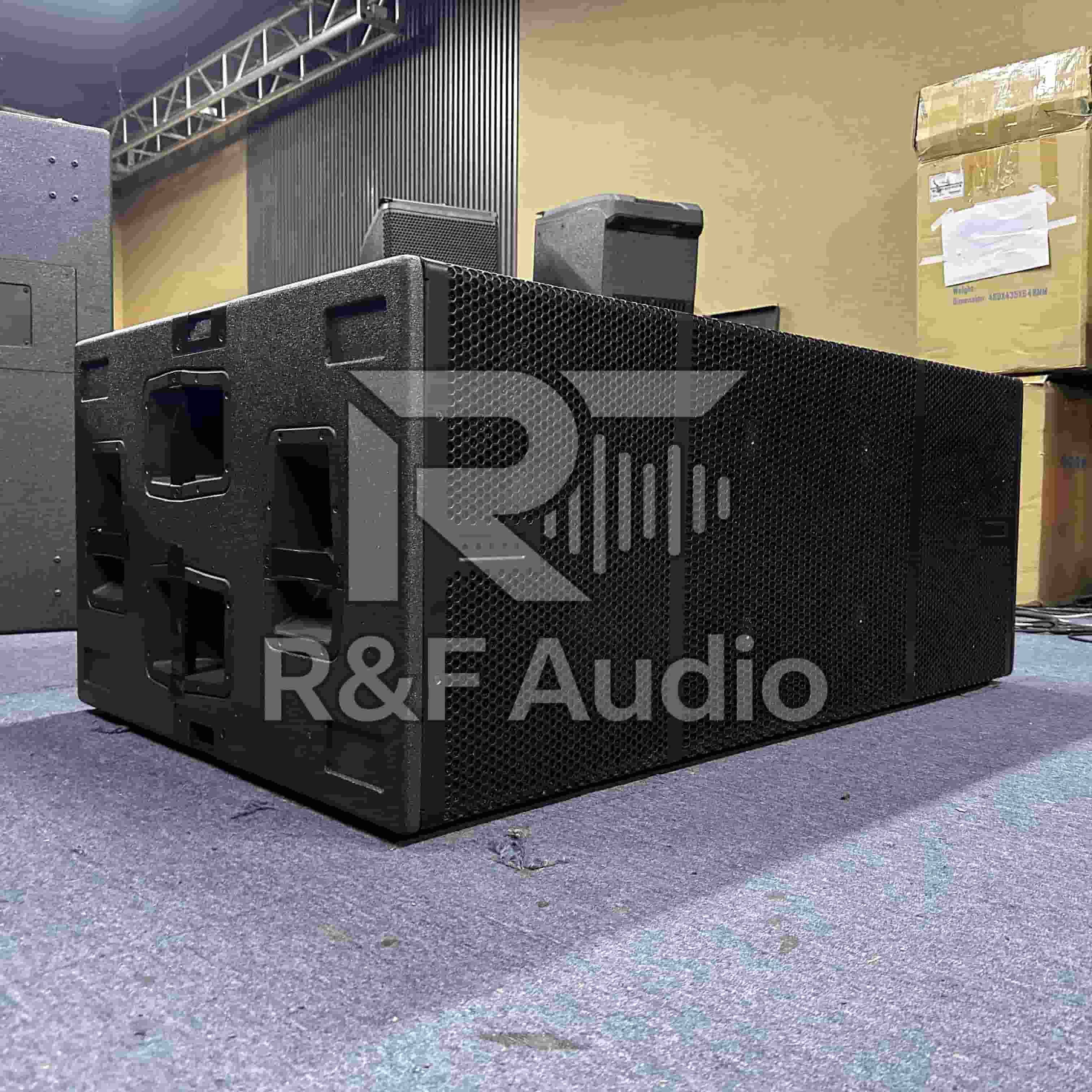
ထုတ်လုပ်မှုအရွယ်အစားကြီးများတွင် ဆပ်ဝူဖာ ကေဘီနက်များကို အသံအနိမ့်များ၏ လှည့်စောင်းမှုအပြုအမှုကို ပုံစောင်းဖော်ရန်အတွက် ကော်ဒီယွိုအိုက်ဒ်အာရေးများ (cardioid arrays) သို့မဟုတ် အဲန်ဒ်-ဖိုင်ယာအာရေးများ (end-fire arrays) ကဲ့သို့သော သီးခြားအာရေးဖွဲ့စည်းမှုများအတိုင်း စီစဥ်လေ့ရှိပါသည်။ ဥပမ example အားဖြင့် ကော်ဒီယွိုအိုက်ဒ်အာရေးသည် ကေဘီနက်များအများအပြားကို တစ်ခု (သို့မဟုတ်) အများအပြားသော ယူနစ်များကို ပြောင်းလဲပေးခြင်းနှင့် အချိန်နောက်ကျမှုပေးခြင်းဖြင့် ရှေ့ဘက်သို့ လှည့်စောင်းမှုပုံစောင်းကို ထုတ်လုပ်ပေးပါသည်။ ထိုသို့သော ပုံစောင်းသည် အာရေး၏နောက်ဘက်တွင် အသံအနိမ့်စွမ်းအင်ကို လျော့နည်းစေပါသည်။ ထိုနေရာသည် အိုင်းစတေးဂ် (stage) နှင့် အများအားဖြင့် ပြဇာတ်သရုပ်ဆောင်များ ရှိသည့်နေရာဖြစ်ပါသည်။ ဆပ်ဝူဖာ ဤနည်းလမ်းသည် အိုင်းစတေးဂ်ပေါ်တွင် အသံပျံ့နှံ့မှုကို အနည်းဆုံးဖြစ်စေပါသည်၊ အသံပြန်လှည့်မှု (feedback margin) ကို တိုးမြှင့်ပေးပါသည်။ ထို့အပြင် ဘက်စ်အသံစွမ်းအင်ကို အသံထွက်ရှိသည့် နေရာသို့ လှည့်စောင်းပေးပါသည်။ ထိုနေရာသည် အသံကို အများဆုံးလိုအပ်သည့် ပရိသတ်များရှိသည့်နေရာဖြစ်ပါသည်။
နေရာအသုံးပြုမှုနှင့် အခြေခံအသံလှုပ်ရှားမှုများ (Venue Acoustics and Room Modes)
အိမ်အုပ်စုများ (enclosed venue) တိုင်းတွင် အချိန်အတိုင်းအတာများပေါ်တွင် မှီခိုပြီး ဖော်ပေးသည့် သဘောတူညီမှုအသံလှုပ်ရှားမှုများ (natural resonant frequencies) — အခြေခံအသံလှုပ်ရှားမှုများ (room modes) — ရှိပါသည်။ ထိုအသံလှုပ်ရှားမှုများတွင် အသံအနိမ့်များအနက် တစ်ခုခုသည် အလွန်များပြားစွာ စုစည်းလာပြီး အခြားတစ်ခုခုသည် လျော့နည်းသွားပါသည်။ ဆပ်ဝူဖာ အသံဖော်ပေးမှုအတွက် သင့်လျော်သော အသံဆိုင်ရာ စဉ်းစားမှုများ မရှိသည့် အတွင်းပိုင်းနေရာတွင် ထားရှိလေ့ရှိသော အခန်း၏ သဘောသမ်ဗေဒ အခြေအနေများ (room modes) ကို မတော်တဆ လှုံ့ဆော်မော်ဒယ်လ်များ ဖန်တီးပေးနိုင်ပါသည်။ ထိုသို့သော အခြေအနေများသည် အသံအား အလွန်အမင်း ပေါ်လွင်စေပြီး အသံအား အသေးစိတ် ထုံးစွဲမှုများ မရှိဘဲ အသံအား တစ်မျှတစ်ညီ ထုတ်လွှင့်ပေးသည့် အသံအား ဖန်တီးပေးနိုင်ပါသည်။ ထို့ကြောင့် နေရာ၏ အသံဆိုင်ရာ အပြုအမှုများကို နားလည်ထားခြင်းသည် ထိရောက်မှုရှိသော ဆပ်ဝူဖာ ထားရှိမှုအတွက် အရေးကြီးသော အရင်ဆိုင်ရာ အဆင့်ဖြစ်ပါသည်။ အတွေ့အကြုံရှိသော အင်ဂျင်နီယာများသည် အချိန်နှင့်တစ်ပါက် အသံဆိုင်ရာ အသုံးအနှုန်းများကို အသုံးပြု၍ ပြဿနာရှိသော အသံအား ဖန်တီးပေးသည့် အကြိမ်နှုန်းများကို ရှာဖွေ၍ ပြင်ဆင်ပေးပါသည်။
အသံအား ညှိချိန်ခြင်း ဆပ်ဝူဖာ ထုတ်လွှင့်မှုအား အခြေအနေများနောက်ကြောင့် အလွန်အမင်း ပေါ်လွင်နေသော အကြိမ်နှုန်းများကို လျော့ချခြင်းဖြင့် အသံအား ပိုမိုတင်ကြပ်စွာ ထုတ်လွှင့်ပေးနိုင်ပါသည်။ အသံအား ညှိချိန်ထားသည့် ဆပ်ဝူဖာ အသံအား ပြုပြင်ထားသည့် သို့မဟုတ် အသံဆိုင်ရာ စီမံခန့်ခွဲမှု ပြုလုပ်ထားသည့် နေရာတွင် အသံအား နက်ရှိုင်းပြီး အားကောင်းသည့် အသံအား ဖန်တီးပေးနိုင်ပါသည်။ ထိုသို့သော အသံအားသည် မှုန်ဝါးမှု သို့မဟုတ် အလွန်အမင်း ပေါ်လွင်မှုများ မရှိဘဲ နားထောင်သူများက အသံအား နက်ရှိုင်းပြီး အားကောင်းသည့် အသံအား အဖော်ပေးနိုင်ပါသည်။ ထိုသို့သော အသံအား ထုတ်လွှင့်မှုနှင့် အသံဆိုင်ရာ ဉာဏ်ရည်များကြား မှန်ကန်သော ဟန်ချက်ညှိမှုသည် ပရော်ဖက်ရှင်နယ် ဆပ်ဝူဖာ ထားရှိမှုကို စနစ်တစ်ခုအား အသံအား ပိုမိုထည့်သွင်းခြင်းမှ ခွဲခြားပေးပါသည်။
အက်တစ် စပီကာ နည်းပညာနှင့် DSP စွမ်းရည်များ
အတွင်းပိုင်း အားဖော်ပေးမှုနှင့် ကိုယ်ပိုင် အားဖော်ပေးမှု ဒီဇိုင်း
ခေတ်မှီ ပရော်ဖက်ရှင်နယ် ဆပ်ဝူဖာ သည် မောင်းသူနှင့် ထိုကေဘီနက်၏ အထူးသဖြင့် အသုံးပြုမည့် ဒရိုင်ဘာနှင့် အိုင်စ်လော့ခ်မှု ဂုဏ်သတ္တိများအတွက် အထူးပြုထားသော အင်တီဂရိတ် အာမ်ပလီဖိုင်ယာများဖြင့် ပိုမိုမှုန်းမှုရှိသော ကိုယ်ပိုင်စွမ်းအားဖော်ပေးသည့် အက်က်တစ်စနစ်အဖြစ် ဒီဇိုင်းပြုလုပ်လာကြသည်။ ဤစက်ရုံမှ ကိုက်ညီမှုရှိသော ဒီဇိုင်းချဉ်းကပ်မှုသည် အာမ်ပလီဖိုင်ယာသည် ဒရိုင်ဘာအား အကောင်းဆုံးအားဖော်ပေးနိုင်ရန် လိုအပ်သော စွမ်းအား၊ ဒမ်ပင်းဖဲက်တာနှင့် ကြိမ်နှုန်းတုံ့ပြန်မှုကို တိကျစွာ ပေးစေသည်။ ပါစ်စ်စ် ဆပ်ဝူဖာ စနစ်များသည် အပြင်ပိုင်းအာမ်ပလီဖိုင်ယာများပေါ်တွင် မှီခိုပါသည်— ထိုအပြင်ပိုင်းအာမ်ပလီဖိုင်ယာများသည် ကေဘီနက်နှင့် အပ်ဒေ့တ်ဖြစ်မှုရှိမှု မရှိနိုင်ပါ— အက်က်တစ်ဒီဇိုင်းများသည် မသေချာမှုများကို ဖယ်ရှားပေးပြီး အသုံးပြုမှုအမျိုးမျိုးတွင် စိတ်ချရပ်သော နှင့် ခန့်မှန်းနိုင်သော စွမ်းဆောင်ရည်ကို ပေးစေသည်။
လုပ်ဆောင်နေသည် ဆပ်ဝူဖာ စနစ်များသည် အပူပိုများခြင်း၊ အလွန်အမင်း လှုပ်ရှားမှု (over-excursion) နှင့် အသံအများအပြားထုတ်လုပ်ရာတွင် အာမ်ပလီဖိုင်ယာ ကလစ်ပင်းဖြစ်ခြင်းများမှ ကာကွယ်ပေးသည့် ကာကွယ်ရေး စားကပ်များကို ပါဝင်စေသည်။ ဤကာကွယ်ရေးစနစ်များသည် ဆပ်ဝူဖာ အစိတ်အပိုင်းများ ပျက်စီးမှုအန္တရာယ်မရှိဘဲ သတ်မှတ်ထားသော အကန့်အသတ်အထိ ဖိအားပေးနိုင်ရန် ဒီဇိုင်းထုတ်ထားပါသည်။ ဤသည်မှာ အသံအင်ဂျင်နီယာများအား ပြသမှုအရေးကြီးသော အသံလွှင့်ပွဲများတွင် စက်ကိရိယာများ၏ ယုံကြည်စိတ်ချရမှုကို အာမခံပေးရန် လိုအပ်သည့် ယုံကြည်မှုကို ပေးစေပါသည်။ အသံစနစ်အတွင်း အသုံးပြုသည့် အက်တစ် (Active) စနစ်သည် အတွင်းပိုင်းတွင် အားလုံးပါဝင်သော စနစ်ဖြစ်ပါသည်။ ဆပ်ဝူဖာ ထို့အပြင် စနစ်တပ်ဆင်မှုကို ရှုပ်ထွေးမှုနည်းအောင် လွယ်ကူစေပါသည်။ အသံလွှင့်ချိန်တွင် အသုံးပြုသည့် အစိတ်အပိုင်းများ၏ အရေအတွက်ကို လျော့ချပေးပါသည်။ ထို့အပြင် ဝိုင်ယ်ရင်းချိန်းချိန်မှု အမှားများ သို့မဟုတ် အချိန်ကြာမှု မှီခိုမှုများ (impedance mismatches) ဖြစ်ပွားမှုကိုလည်း လျော့ချပေးပါသည်။
ဒစ်ဂျစ်တယ် စိတ်ကူးယဉ်မှု အသံဖြစ်ပေါ်မှု (DSP) နှင့် စနစ်အသေးစိတ်ချိန်ညှိမှုများ (System Presets)
ဒစ်ဂျစ်တယ် စိတ်ကူးယဉ်မှု အသံဖြစ်ပေါ်မှု (DSP) သည် ပရော်ဖက်ရှင်နယ်အသံစနစ်တွင် အသံအင်ဂျင်နီယာများ လုပ်ဆောင်နိုင်သည့် အရေးကြီးသော အရာများကို ပြောင်းလဲပေးခဲ့ပါသည်။ ဆပ်ဝူဖာ ခေတ်မှီ အက်တစ် (Active) အသံစနစ်များတွင် အသုံးပြုသည့် အတွင်းပိုင်း DSP သည် ဆပ်ဝူဖာ ပုံစံအလိုက် ညှိမှုများ (parametric equalization)၊ ကရော်စ်အောဗာ ဖီလ်တာများ (crossover filters)၊ အချိန်ညှိမှု နှောင့်နှေးမှုများ (time alignment delay)၊ အများဆုံးအသုံးပြုနိုင်သည့် အရေးကြီးသော အသံအားလုံးကို ကာကွယ်ပေးသည့် လီမီတ်တင်မှုများ (limiting) နှင့် စနစ်အသေးစိတ်ချိန်ညှိမှုများ (system presets) တို့ကို ပုံမှန်အားဖြင့် ပါဝင်ပါသည်။ ထိုစနစ်အသေးစိတ်ချိန်ညှိမှုများသည် အင်ဂျင်နီယာများအား နေရာအများအပြားနှင့် စနစ်အများအပြားအတွက် အသံစနစ်ကို အများဆုံးအကောင်အကျင်းဖော်နိုင်ရန် အများအားဖြင့် အလွယ်တက် ချိန်ညှိပေးနိုင်ပါသည်။ ဆပ်ဝူဖာ အသံစနစ် ဆပ်ဝူဖာ အသံစနစ်များ
သက်ဆိုင်ရာ အထက်ပိုင်းကေဘီနက်များနှင့် လုံးဝကိုက်ညီသည့် ကြိုတင်သတ်မှတ်ထားသော စနစ်များသည် စနစ်ချိတ်ဆက်မှုလုပ်ငန်းစဉ်ကို ရှုပ်ထွေးမှုမရှိစေဘဲ လွယ်ကူစေပါသည်။ ထို့အပေါ်အခြေခံ၍ ဖလှယ်မှုကြိမ်နှုန်းများ၊ ဖေ့စ်ညှိမှုများနှင့် အသံအတိုင်းအတာ ကိုက်ညီမှုများကို စနစ်ကို စတင်အသုံးပြုသည့်အချိန်တွင်ပဲ မှန်ကန်စွာ သတ်မှတ်ပေးထားပါသည်။ အင်ဂျင်နီယာများသည် ဤအကောင်းမွန်ဆုံး အစပိုင်းအချက်များမှ အသေးစိတ်ညှိနှိုင်းမှုများကို ပြုလုပ်နိုင်ပါသည်။ ထို့အပေါ်အခြေခံ၍ အဖွဲ့အစည်းတစ်ခုလုံး၏ ကေလ်စ်ထရေးရှင်း (Calibration) ကို အဖွဲ့အစည်းတစ်ခုချင်းစီတွင် အစပိုင်းမှ ပြန်လည်တည်ဆောက်ရန် မလိုအပ်တော့ပါ။ ဆပ်ဝူဖာ ဒီ DSP အသိဉာဏ်ပါရှိသည့် စနစ်သည် အသံလွှင့်ခြင်း စနစ်ဒီဇိုင်းတွင် အရေးကြီးသည့် အဆင့်မှုန်မှုတစ်ခုဖြစ်ပါသည်။ ထို့ကြောင့် ပရော်ဖက်ရှင်နယ်အဆင့် ဘက်စ်အသံထုတ်လုပ်မှုသည် ယခင်ကထက် ပိုမိုတည်ငြိမ်မှုရှိပါသည်၊ ပိုမိုလွယ်ကူစွာ ရရှိနိုင်ပါသည်နှင့် ပိုမိုထိရောက်မှုရှိပါသည်။
စူးဘူးဖာများ၏ စွမ်းဆောင်ရည်များ ပရိသတ်အတွေ့အကြုံပေါ် သက်ရောက်မှု
ဘက်စ်အသံဖြင့် စိတ်ခံစားမှုနှင့် ရုပ်ပိုင်းဆိုင်ရာ ပါဝင်ပါဝင်မှု
ဘက်စ် အသံများသည် အသားအသေးနှင့် ခန္တာကိုယ် အာရုံကြောများ ပေါင်းစပ်မှုရှိသည့် ထူးခြားသည့် အာရုံခံမှု ဧရိယာတွင် လုပ်ဆောင်ပါသည်။ စိတ်ပိုင်းဆိုင်ရာ အသံသိပ္ပံ (psychoacoustics) အကြောင်း သုတေသနများသည် နက်ရှိုင်းပြီး အရည်အသွေးမြင့်မားစွာ ပုံဖော်ထုတ်လုပ်ထားသည့် ဘက်စ်များသည် အသံအတိုင်းအတာကို ပိုမိုကြီးမားသည်ဟု ခံစားရစေပါသည်၊ ဂီတ၏ စိတ်ခံစားမှုဆိုင်ရာ အကျိုးသက်ရောက်မှုကို မြင့်တင်ပေးပါသည်၊ နှင့် ပရိသတ်များက စိမ်းလန်းမှုအဖြစ် ဖော်ပေးသည့် ခန္တာကိုယ်အာရုံကြောဆိုင်ရာ တည်ရှိမှုကို ဖန်တီးပေးပါသည်။ အမြင့်အဆင်းနှင့် အရည်အသွေးမြင့်မားသည့် ဆပ်ဝူဖာ စနစ်သည် အသံထုတ်လွှင့်သည့် နေရာတွင် ဘက်စ်အသံများကို နှင့် ဝမ်းဗိုက်တွင် ခံစားရစေပါသည် — ဤအာရုံခံမှုသည် စွဲမက်ဖွယ်ရာ ပြဇာတ်အာရုံခံမှုကို အခြေခံမှုအားဖြင့် ပြောင်းလဲပေးပါသည်။ ဤအသံ၏ ခန္တာကိုယ်အာရုံခံမှုသည် အလယ်အသံနှင့် အမြင့်အသံများကို ထုတ်လွှင့်သည့် အသံပေါင်းစက်များသာ အသုံးပြု၍ မှုန်းမှုန်းမှုန်းမှုန်းမှုန်းမှုန်းမှုန်းမှုန်းမှုန်းမှုန်းမှုန်းမှုန်းမှုန်းမှုန်းမှုန်းမှုန်းမှုန်းမှုန်းမှုန်းမှုန်းမှုန်းမှုန်းမှုန်းမှုန်းမှုန်းမှုန်းမှုန်းမှုန်းမှုန်းမှုန်းမှုန်းမှုန်းမှုန်းမှုန်းမှုန်းမှုန်းမှုန်းမှုန်းမှုန်းမှုန်းမှုန်းမှုန်းမှုန်းမှုန်းမှုန်းမှုန်းမှုန်းမှုန်းမှုန်းမှုန်းမှ......
အီလက်ထရွန်နစ် ဒန့်စ်များ၊ ဟစ်ပေါ့ပ်၊ အလေးချိန်များသည့် ရောက်များနှင့် တူရိယာများဖွဲ့စည်းထားသည့် ဂီတများအတွက် ဘက်စ်အသံများသည် ဆပ်ဝူဖာ သည် အပိုဆောင်းအစိတ်အပိုင်းမဟုတ်ပါ။ ၎င်းသည် ပြဇာတ်ဖွဲ့စည်းမှု၏ အနုပညာဆိုင်ရာ ရည်ရွယ်ချက်အတွက် အလွန်အရေးကြီးသော အစိတ်အပိုင်းဖြစ်ပါသည်။ လုံလေးသော နိမ့်ကြိမ်နှုန်း အသံထုတ်လွှင့်မှုမရှိပါက ဤဂီတအမျိုးအစားများသည် ၎င်းတို့၏ ထင်ရှားသော အသံလက္ခဏာကို ဆုံးရှုံးပါသည်။ ထို့အပြင် ပရိသတ်များသည် အသံပေးပေးပေး အဖွဲ့အစည်းများတွင် ခံစားလိုသော စွမ်းအင်ကို မရရှိနိုင်ပါသည်။ ထို့ကြောင့် စွမ်းရည်ရှိပြီး သင့်လျော်စွာ တပ်ဆင်ထားသော ဆပ်ဝူဖာ ကို ရင်းနှီးမှုထည့်သွင်းခြင်းသည် ပရိသတ်များ၏ က удовлетворенность၊ ထပ်ခါထပ်ခါ လာရောက်ကြွေးမော်ခြင်းနှင့် အဖွဲ့အစည်းများ၏ စုံလင်မှုအပေါ် ရင်းနှီးမှုထည့်သွင်းခြင်းဖြစ်ပါသည်။
ပရော်ဖက်ရှင်နယ် ယုံကြည်မှုနှင့် စနစ်၏ ပြိုင်ဆိုင်မှုစွမ်းရည်
အဖွဲ့အစည်းများ၊ ငှားရမ်းရေးအဖွဲ့များနှင့် နေရာအသုံးပြုသူများအနက် အသံစနစ်များ၏ အရည်အသွေးသည် ပရော်ဖက်ရှင်နယ် ယုံကြည်မှုကို တိုက်ရိုက်ဖော်ပြပါသည်။ အသံအင်ဂျင်နီယာများ၊ ခရီးသွားပြဇာတ်အဖွဲ့များနှင့် အဖွဲ့အစည်းများသည် အသံစနစ်များကို အထူးသတိပြု၍ အကဲဖေးကြည့်ပါသည်။ အသံအနိမ့်ကြိမ်နှုန်း မလုံလေးသော သို့မဟုတ် မကောင်းမွန်သော အသံစနစ်ကို သတိပြုမှုဖော်ပြပြီး မေးမေးမေး မှတ်သိမှတ်ထားကြပါသည်။ ထို့အပြင် အထူးသဖြင့် အသံအနိမ့်ကြိမ်နှုန်း အဆင့်မြင့်သော ဆပ်ဝူဖာ အသံစနစ်ကို အသုံးပြုသော အသံပေးပေးပေး အဖွဲ့အစည်းများသည် ပရော်ဖက်ရှင်နယ် အသိအမှတ်ပြုမှုကို ရရှိပါသည်။ ဆပ်ဝူဖာ သန့်ရှင်းပြီး အားကောင်းမားကာ ထိန်းချုပ်မှုကောင်းမားသော နိမ့်ကြိမ်နှုန်းများကို ဖော်ပေးနိုင်သည့် စနစ်သည် ဖောက်သည်များနှင့် အကွက်များအကား ယုံကြည်မှုကို တည်ဆောက်ပေးပြီး ပြိုင်ဆောက်မှုများများပါသော ဈေးကွက်တွင် ဝန်ဆောင်မှုကို ကွဲပြားစေသည်။
ပရော်ဖက်ရှင်နယ်အဆင့်ရှိ ဆပ်ဝူဖာ စနစ်ကို သတ်မှတ်ခြင်းနှင့် တပ်ဆင်ခြင်းသည် နည်းပညာဆိုင်ရာ ဆုံးဖြတ်ချက်သာမက လုပ်ငန်းရှုထောင်မှုဆိုင်ရာ ဆုံးဖြတ်ချက်လည်း ဖြစ်သည်။ အရည်အသွေးကောင်းမားသော လိုက်လျောညီထွေရှိသော အသံစနစ်နှင့် အမှန်တကယ် အာရုံစိုက်ဖော်ပေးနိုင်သော အသံစနစ်ကြား ကွာခြားချက်သည် အများအားဖြင့် နိမ့်ကြိမ်နှုန်း အားဖော်ပေးမှု၏ အရည်အသွေးနှင့် ပမာဏပေါ်တွင် မှီတည်နေပါသည်။ ဤအချက်ကို အရည်အသွေးမြင့် ထုတ်လုပ်မှုပုဂ္ဂိုလ်များအားလုံး သိရှိကြသည်။ နေရာအရွယ်အစားများနှင့် အခမ်းအနားအမျိုးမျိုးတွင် ယုံကြည်စိတ်ချရသော အကောင်အကျင်းရှိသော ဆပ်ဝူဖာ စနစ်သည် ထုတ်လုပ်မှုပစ္စည်းများ စုစည်းမှုတွင် အများဆုံးတန်ဖိုးရှိသော ပစ္စည်းများထဲမှ တစ်ခုဖြစ်သည်။
မေးလေ့ရှိသောမေးခွန်းများ
လိုက်လျောညီထွေရှိသော အသံစနစ်တွင် စူဘူးဝူဖာနှင့် အပေါ်ပိုင်း အပြည့်အဝ ကြိမ်နှုန်းအသံထွက်စနစ် (full-range tops) အကြား ကွဲပြားမှု ကြိမ်နှုန်း (crossover frequency) ကို မည်သည့်အတိုင်းအတာတွင် သတ်မှတ်သင့်ပါသလဲ။
စူဘူးဝူဖာနှင့် အပေါ်ပိုင်း အပြည့်အဝ ကြိမ်နှုန်းအသံထွက်စနစ် (full-range tops) အကြား အကောင်အကျင်းရှိသော ကွဲပြားမှု ကြိမ်နှုန်းသည် ဆပ်ဝူဖာ နှင့် အပြည့်အဝ အကောင်းဆုံး အသံထွက်မှုရှိသော စပီကာများ (full-range tops) တွင် အသံလှုပ်နှုန်းသည် အများအားဖြင့် လိုက်လံဖော်ထုတ်မှုအတွက် ၈၀ ဟာတ်ဇ်မှ ၁၂၀ ဟာတ်ဇ်အထိ ဖြစ်ပါသည်။ သို့သော် တိကျသော အသံလှုပ်နှုန်းသည် စပီကာများ၏ အနိမ့်အသံလှုပ်နှုန်း စွမ်းရည်နှင့် အသံလှုပ်နှုန်းအမြင့်ဆုံး အကန့်အသတ် (upper extension limit) ပေါ်တွင် မှီခိုပါသည်။ ဆပ်ဝူဖာ အသံလှုပ်နှုန်း ၈၀ ဟာတ်ဇ်မှ ၁၀၀ ဟာတ်ဇ်အထိ ဖြစ်သော ကရော်စ်အိုဗာ (crossover) အများအားဖြင့် ပရော်ဖက်ရှင်နယ် စနစ်များတွင် အသုံးများသော အစပိုင်းအသံလှုပ်နှုန်းအဖြစ် သတ်မှတ်ကြပါသည်။ နောက်ဆုံးအသုံးပြုမည့် နေရာအလိုက် စနစ်ချိန်ညှိမှု တိုင်းတာမှုများနှင့် နှင့် နှင့် အသံနားထောင်စမ်းသပ်မှုများအရ အသေးစိတ် ချိန်ညှိမှုများကို ပြုလုပ်ပါသည်။
အပြင်ဘက်တွင် ကျင်းပ်သည့် အရီးအသေးကြီးတွင် စုပ်သောအသံစပီကာ (subwoofer) များ မည်မျှအထိ လိုအပ်ပါသနည်း။
အသုံးပြုရန် ဆပ်ဝူဖာ အပြင်ဘက်တွင် ကျင်းပ်သည့် အရီးအသေးကြီးအတွက် လိုအပ်သော စုပ်သောအသံစပီကာ (subwoofer) အရေအတွက်သည် ပန်းတောင်းထားသော အသံဖိအားအဆင့် (SPL)၊ ပရိသတ်အုပ်စု ဖုံလေးမှုဧရိယာနှင့် အသံဖွင့်သည့် ဂီတအမျိုးအစားပေါ်တွင် မှီခိုပါသည်။ ယေဘုယျအားဖြင့် စနစ်ကောင်းမွန်စွာ ဖွဲ့စည်းထားသော စုပ်သောအသံစပီကာ (subwoofer) အရေအတွက် ပိုများလေလေ ဖုံလေးမှု တည်ငြိမ်မှု ပိုကောင်းလေလေ ဖြစ်ပြီး တစ်ခုချင်းစီကို အပူခံနိုင်ရည် အကန့်အသတ်အတွင်း လုပ်ဆောင်နိုင်စေပါသည်။ ထို့ကြောင့် စနစ်၏ ရေရှည် ယုံကြည်စိတ်ချရမှုကို မြင့်တင်ပေးပါသည်။ ဆပ်ဝူဖာ အင်ဂျင်နီယာများသည် အသံဖိအားအဆင့် (SPL) ပန်းတောင်းချက်များနှင့် အသံပို့လွှတ်မှုအကွာအဝေး (throw distance) အပေါ် အခြေခံ၍ အသံသိပ်သည့် မော်ဒယ်လ်ဆော့ဖ်ဝဲ (acoustic modeling software) ကို အသုံးပြု၍ လိုအပ်သော အရေအတွက်ကို တွက်ချက်ပါသည်။ နောက်ဆုံးအနေဖြင့် စနစ်ဒီဇိုင်းကို အတည်ပြုရန် အသုံးပြုပါသည်။
စင်ပေါ်တွင် ဆပ်ဝူဖာ၏ နေရာချထားမှုသည် ၎င်း၏အသံအရည်အသွေးကို သက်ရောက်မှုရှိပါသလား။
ဟုတ်ကဲ့၊ ဆပ်ဝူဖာ၏ ရုပ်ပိုင်းဆိုင်ရာ နေရာချထားမှုသည် ဆပ်ဝူဖာ ပေးထားသောနေရာတွင် ၎င်း၏ အသံဖြန့်ဖြူးမှုအပြုအမှုကို သက်ရောက်မှုရှိပါသည်။ နယ်နိမိတ်များအနီး မြေပြင်ပေါ်တွင် နေရာချထားခြင်းဖြင့် နယ်နိမိတ်မှ အားဖေးပေးမှုကြောင့် နိမ့်ကြိမ်နှုန်းအသံထွက်မှုကို တိုးမှုပေးပါသည်။ အခြားတစ်ဖက်တွင် မြင့်မားသောနေရာ (သို့) စင်၏ အလယ်တွင် နေရာချထားခြင်းသည် ဆပ်ဝူဖာ၏ အခြေအနေများနှင့် ပရိသတ်ထိုင်ခုံနေရာများနှင့် အပ်ပ်လုပ်ဆောင်မှုကို ပြောင်းလဲစေနိုင်ပါသည်။ ပရော်ဖက်ရှင်နယ်စနစ်များတွင် နေရာချထားမှုဆုံးဖြတ်ချက်များကို စနစ်ချိန်ညှိမှု တိုင်းတာမှုများနှင့် တွဲဖက်၍ ချမှတ်ပါသည်။ ထိုသို့ဖြင့် ဆပ်ဝူဖာ ဆပ်ဝူဖာ ဆပ်ဝူဖာ ဆပ်ဝူဖာသည် နှီးနှေားသော နေရာတစ်ခုလုံးတွင် တည်ငြိမ်ပြီး ညီညာသော အသံဖြန့်ဖြူးမှုကို ပေးစေပါသည်။
တစ်လုံးတည်းသော အက်တစ် ဆပ်ဝူဖာကို အပြည့်အဝအသံထွက်သော အပေါ်ဘီလ်ကာဘီနက်များ၏ မည်သည့်အများအားဖြင့် အမှတ်တံဆိပ် (သို့) မော်ဒယ်နှင့်မဆို အသုံးပြုနိုင်ပါသလား။
အက်တစ် ဆပ်ဝူဖာ ဆပ်ဝူဖာကို အပြည့်အဝအသံထွက်သော အပေါ်ဘီလ်ကာဘီနက်များနှင့် နည်းပညာအရ ပေါင်းစပ်အသုံးပြုနိုင်သော်လည်း အကောင်းမွန်ဆုံး စွမ်းဆောင်ရည်ကို ရရှိရန်အတွက် ကရော့စ်အောဗာ ကြိမ်နှုန်း ကိုက်ညီမှု၊ အသံထွက်နှုန်း ကိုက်ညီမှုနှင့် အိုင်မ်ပီဒန့် စရိုက်လက္ခဏာများကို ဂရုစိုက်ရန် လိုအပ်ပါသည်။ ပရော်ဖက်ရှင်နယ်အက်တစ် ဆပ်ဝူဖာ စနစ်များတွင် အထက်ပိုင်းစနစ်များနှင့် သ совместим်ဖြစ်ရန် အင်ဂျင်နီယာများက စနစ်ကို ချိန်ညှိနိုင်သည့် ချိန်ညှိနိုင်သည့် DSP ဆက်တင်များ ပါဝင်ပါသည်။ ကာဘီနက်အများအပြားကို ရောစပ်အသုံးပြုသည့်အခါ ပေါင်းစပ်မှုဖြစ်သည့် အကြိမ်နှုန်းတုံ့ပြန်မှုကို တိုင်းတာပြီး EQ နှင့် အချိန်ညှိမှုကို ချိန်ညှိရန် အရေးကြီးပါသည်။ ဆပ်ဝူဖာ ထို့အပြင် အထက်ပိုင်းစနစ်များသည် တစ်ခုနှင့်တစ်ခု အပ်စ်ပ်လျော့ပါးစေခြင်းမှ ကင်းဝါးစေရန် အတွက် အဆင်ပေါင်းလျော့ပါးစေရန် အတွက် အဆင်ပေါင်းလျော့ပါးစေရန် အတွက် အဆင်ပေါင်းလျော့ပါးစေရန် အတွက် အဆင်ပေါင်းလျော့ပါးစေရန် အတွက် အဆင်ပေါင်းလျော့ပါးစေရန် အတွက် အဆင်ပေါင်းလျော့ပါးစေရန် အတွက် အဆင်ပေါင်းလျော့ပါးစေရန် အတွက် အဆင်ပေါင်းလျော့ပါးစေရန် အတွက် အဆင်ပေါင်းလျော့ပါးစေရန် အတွက် အဆင်ပေါင်းလျော့ပါးစေရန် အတွက် အဆင်ပေါင်းလျော့ပါးစေရန် အတွက် အဆင်ပေါင်းလျော့ပါးစေရန် အတွက် အဆင်ပေါင်းလျေ......
အကြောင်းအရာများ
- လိုင်းဗီဒီယိုအသံဖော်ပေးမှုတွင် စူးဘူးဖ်အော်ဖ် (Subwoofer) ၏ အသံဖော်ပေးမှုဆိုင်ရာ အခန်းကဏ္ဍ
- ကရော့စ်အောဗာ ပေါင်းစပ်မှုနှင့် အသံအချက်ပေးမှုစီမံခန့်ခွဲမှု
- နေရာချထားမှုန strategy နှင့် ဖုံးလွှမ်းမှုပုံစံများ
- အက်တစ် စပီကာ နည်းပညာနှင့် DSP စွမ်းရည်များ
- စူးဘူးဖာများ၏ စွမ်းဆောင်ရည်များ ပရိသတ်အတွေ့အကြုံပေါ် သက်ရောက်မှု
-
မေးလေ့ရှိသောမေးခွန်းများ
- လိုက်လျောညီထွေရှိသော အသံစနစ်တွင် စူဘူးဝူဖာနှင့် အပေါ်ပိုင်း အပြည့်အဝ ကြိမ်နှုန်းအသံထွက်စနစ် (full-range tops) အကြား ကွဲပြားမှု ကြိမ်နှုန်း (crossover frequency) ကို မည်သည့်အတိုင်းအတာတွင် သတ်မှတ်သင့်ပါသလဲ။
- အပြင်ဘက်တွင် ကျင်းပ်သည့် အရီးအသေးကြီးတွင် စုပ်သောအသံစပီကာ (subwoofer) များ မည်မျှအထိ လိုအပ်ပါသနည်း။
- စင်ပေါ်တွင် ဆပ်ဝူဖာ၏ နေရာချထားမှုသည် ၎င်း၏အသံအရည်အသွေးကို သက်ရောက်မှုရှိပါသလား။
- တစ်လုံးတည်းသော အက်တစ် ဆပ်ဝူဖာကို အပြည့်အဝအသံထွက်သော အပေါ်ဘီလ်ကာဘီနက်များ၏ မည်သည့်အများအားဖြင့် အမှတ်တံဆိပ် (သို့) မော်ဒယ်နှင့်မဆို အသုံးပြုနိုင်ပါသလား။