EN
EN



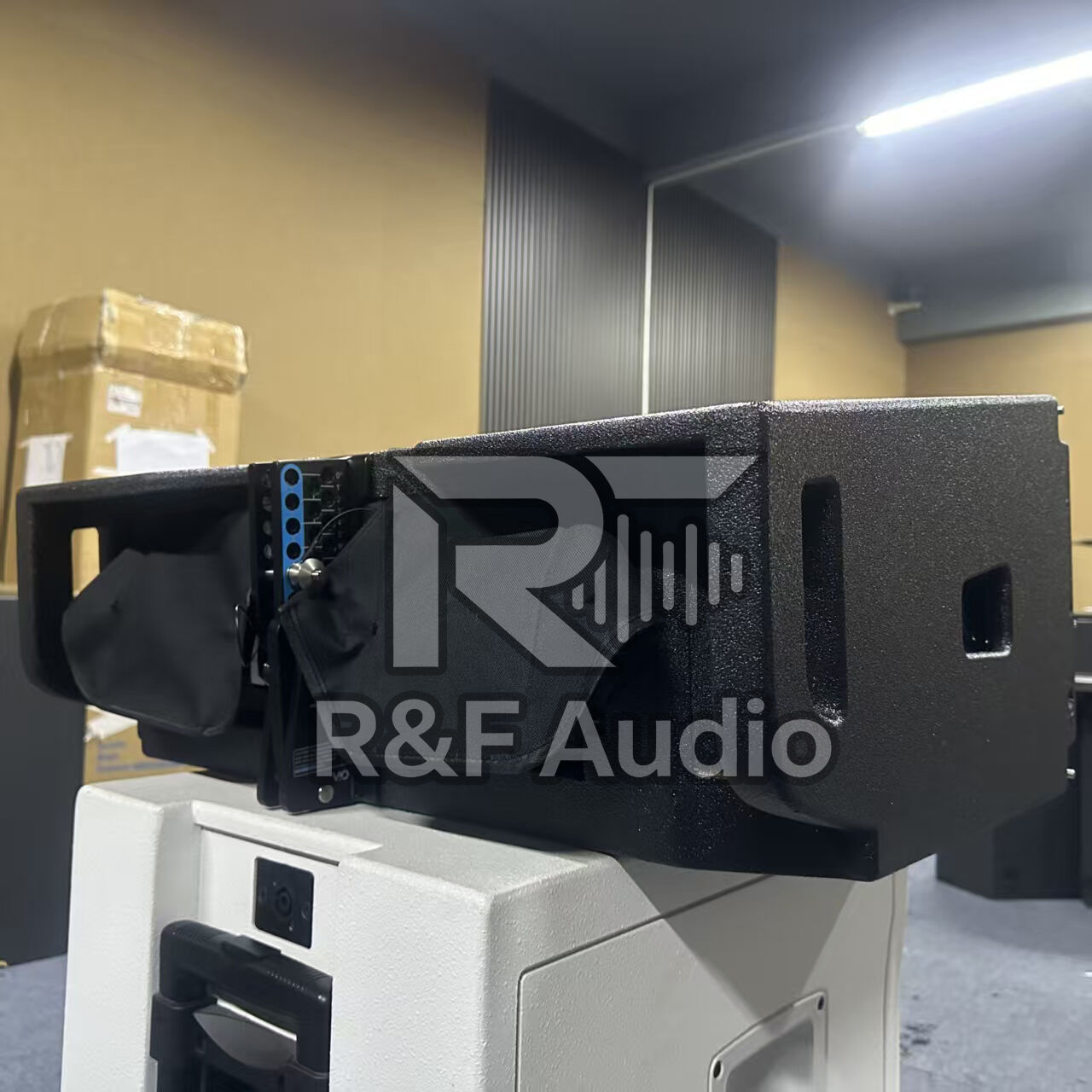
When it comes to delivering a truly immersive live event experience, few audio components play a more decisive role than subwoofers. Whether the venue is a concert hall, an outdoor festival, a corporate conference, or a club night, the way low-frequency sound is reproduced directly shapes how audiences emotionally connect with the performance. Without well-engineered subwoofers in the signal chain, even the most powerful PA system can sound thin, hollow, and unconvincing. The visceral punch of a kick drum, the rumble of a bass guitar, and the sub-harmonic energy of electronic music all depend on subwoofers to reach the audience in a way that is not merely heard, but physically felt.
Understanding exactly how subwoofers improve the audience experience at live events requires looking at the physics of sound, the psychology of perception, and the practical realities of live sound reinforcement. This article breaks down the mechanism and value of subwoofers in professional live audio, explaining why investing in high-quality low-frequency reproduction is one of the most impactful decisions any event sound designer can make. From frequency coverage and physical sensation to system integration and deployment strategy, the role of subwoofers in shaping the live event experience is both technical and deeply human.
The Physical and Emotional Impact of Low-Frequency Sound
Why the Human Body Responds to Bass
Sound is not merely an auditory phenomenon — it is a full-body experience. Low-frequency sound waves, particularly those below 80 Hz, have wavelengths long enough to interact with the human body in ways that mid and high frequencies simply cannot replicate. When subwoofers reproduce these frequencies accurately and powerfully, audiences feel the energy in their chest, abdomen, and even their skeletal structure. This physical dimension of sound is what creates the sensation of being 'inside' the music rather than just listening to it from a distance.
Neuroscientific research consistently confirms that low-frequency sound triggers emotional and physiological responses. Bass-heavy music is associated with heightened arousal, increased energy levels, and stronger feelings of engagement. At live events, this translates directly into crowd energy — audiences move more, react more intensely, and report higher levels of enjoyment when the low-end reproduction is satisfying. This is not accidental. It is a predictable response to proper deployment of subwoofers in the sound system.
Live sound engineers have long understood this relationship intuitively, but modern acoustic science has given it a measurable foundation. The presence or absence of adequate low-frequency energy is one of the clearest differentiators between a forgettable event and a memorable one. When subwoofers are properly integrated, their contribution is immediately perceptible, even to audience members who have no technical knowledge of audio systems.
Creating Atmosphere and Sustaining Crowd Energy
At large-scale live events — festivals, concerts, club performances — the atmosphere is a product of many sensory inputs working together. Lighting, stage design, and performer energy all contribute, but sound is the connective tissue that holds the experience together. Subwoofers are the component responsible for the most primitive, physical aspect of that sonic environment: the rhythmic, low-frequency pulse that drives crowd behavior.
When the bass hits correctly, it creates an involuntary synchronization between the music and the body. This effect is sometimes described as 'entrainment' — the tendency of biological rhythms to synchronize with external stimuli. Properly configured subwoofers produce consistent, well-defined low-frequency output that enables this entrainment to occur naturally and powerfully. The result is an audience that is more physically engaged, more emotionally invested, and more likely to describe the event as outstanding.
Event producers who have upgraded their low-frequency systems consistently report that audience feedback improves dramatically following the investment. The crowd energy at events with high-quality subwoofers tends to be noticeably more electric, not because the music has changed, but because the physical medium through which it is delivered has been optimized.
How Subwoofers Extend and Complete the Full Frequency Spectrum
Filling the Frequency Gap That Tops Cannot Cover
Every professional PA system is built around the concept of frequency coverage — delivering the full spectrum of audible sound evenly across a venue. Conventional line arrays and point-source cabinets handle mid-range and high frequencies with precision and clarity, but their physical designs impose natural limitations on how far they can extend into the low-frequency range. Without dedicated subwoofers, a PA system simply cannot reproduce the sub-bass frequencies that give music its weight and impact.
Professional subwoofers are engineered with large-diameter drivers — commonly 18 inches or 21 inches — and substantial cabinet volumes specifically designed to move the high volumes of air necessary for powerful low-frequency reproduction. This physical capability allows them to extend the system's response down to 30–40 Hz or lower, ensuring that the full musical content intended by the performer or recording engineer is faithfully reproduced in the live environment.
The practical effect on the audience experience is significant. When a system's frequency response is truncated in the bass range, music sounds incomplete. Kick drums lose their body, bass guitars lose their fundamental tone, and synthesizers lose their sub-harmonic presence. Adding properly calibrated subwoofers restores this missing information, transforming a technically functional but sonically unsatisfying system into one that delivers a complete and compelling listening experience.
Achieving Balance Without Muddiness
One of the most common concerns about adding subwoofers to a live sound system is the risk of creating a boomy, muddy, or indistinct low end that obscures other elements of the mix. This concern is valid when subwoofers are deployed carelessly, but it reflects a setup problem rather than an inherent limitation of the technology. When subwoofers are correctly integrated — with appropriate crossover points, alignment, and equalization — they add clarity and weight rather than confusion.
The key to achieving balance lies in the interaction between the subwoofers and the rest of the system. A well-configured crossover ensures that each cabinet handles only the frequencies it is designed to reproduce, preventing overlap and phase cancellation that would result in muddiness. When this integration is executed correctly, the bass sits cleanly beneath the rest of the mix, providing a solid foundation without competing with vocals, guitars, or keyboards for sonic space.
Experienced live sound engineers describe a well-integrated subwoofer system as something that the audience should feel more than they consciously notice. The best subwoofer deployment is invisible to the listener — they simply experience the music as full, rich, and physically engaging, without being aware of the technical work behind the sound. This seamless integration is the hallmark of professional live audio and is entirely achievable with the right equipment and configuration.
Deployment Strategies That Maximize Subwoofer Performance at Live Events
Positioning and Coverage Patterns
The placement of subwoofers at a live event has a profound impact on how effectively they serve the audience. Because low-frequency sound waves are omnidirectional — meaning they radiate in all directions rather than projecting in a focused beam — the physical position of subwoofers within a venue significantly affects both the level and consistency of bass coverage across the audience area. Poor placement can result in dramatic variations in bass level from front to back or side to side, creating an uneven experience that benefits some audience members while shortchanging others.
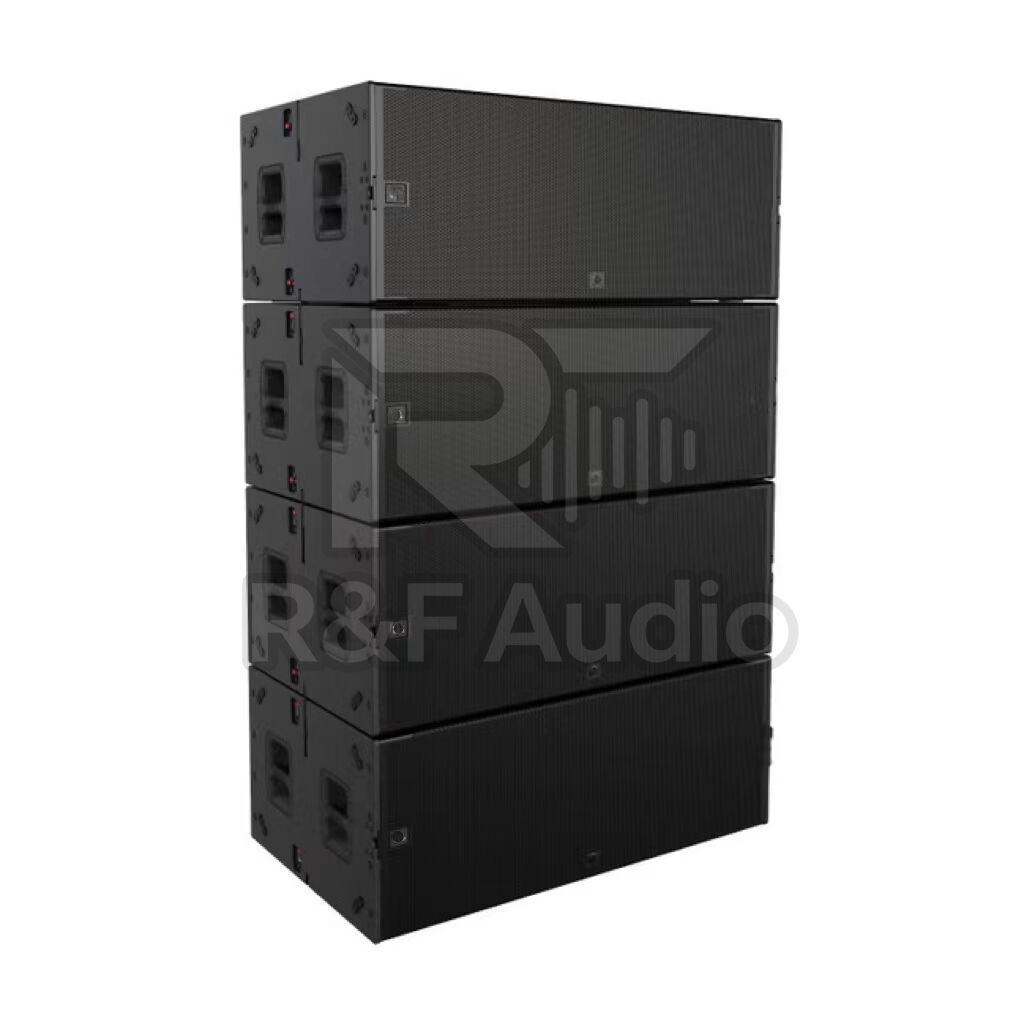
Ground-stacked subwoofers in front of the stage are among the most common deployment configurations for mid-scale live events. This placement takes advantage of the ground plane to reinforce bass output and keeps the cabinets accessible for maintenance during the event. For larger venues or events where tighter low-frequency control is required, flown subwoofers integrated with the main line array can provide more even coverage across longer throw distances, though this approach requires careful rigging and system design.
Cardioid subwoofer arrays represent a more advanced deployment strategy in which multiple subwoofers are arranged and phase-aligned to create directional low-frequency output. By reducing the amount of bass that propagates behind the array — toward the stage and backstage areas — cardioid configurations allow engineers to maximize front-of-house bass levels without contaminating the stage monitor mix or disturbing adjacent spaces. This technique is particularly valuable at events held in acoustically challenging environments or in urban settings where low-frequency spillage is a concern.
Signal Processing and System Alignment
Modern subwoofers for professional live use are typically active designs with built-in digital signal processing, making it possible to optimize their behavior directly through the cabinet's internal DSP rather than relying entirely on the front-of-house console. This onboard processing typically includes crossover filters, parametric equalization, limiting, and delay alignment controls that allow the engineer to integrate the subwoofers precisely with the rest of the system without adding external processing hardware.
Time alignment is one of the most critical aspects of subwoofer integration. Because subwoofers are often positioned closer to the audience than the flown main arrays, the sound from the subwoofers will arrive slightly earlier than the sound from the main cabinets unless a delay is introduced. This timing mismatch, even when measured in milliseconds, can result in comb filtering and phase cancellation that degrades the quality of the combined sound. Adding the appropriate delay to the subwoofer signal ensures that all components of the system arrive at the audience in phase, producing a coherent and powerful combined output.
Subwoofer limiting is another processing function that directly affects the audience experience. Without appropriate limiting, subwoofers can be driven into distortion during peaks in the program material, producing unpleasant artifacts that undermine the impact and clarity of the bass. Properly configured limiting protects the drivers from damage while ensuring that the system operates within its optimal performance range throughout the event, maintaining consistent quality even during the loudest passages of the performance.
The Role of Subwoofers Across Different Live Event Formats
Music Concerts and Festival Stages
In the context of music concerts and festival stages, subwoofers are arguably the single most important audio component for audience experience. Music genres with significant low-frequency content — including rock, hip-hop, electronic dance music, and reggae — rely on subwoofers to deliver the rhythmic and harmonic foundation of the music in its full physical form. An audience at a major festival that lacks adequate subwoofer coverage will perceive the sound as flat and unsatisfying, regardless of how well the rest of the system performs.
High-output, dual-driver subwoofers capable of sustained SPL levels above 130 dB are standard specification for main stage deployment at large festivals. These systems must be capable of consistent performance over multiple hours at high drive levels, in outdoor environments where temperature and humidity can affect performance. The engineering requirements for this kind of deployment are demanding, and selecting subwoofers that meet professional-grade standards for output, reliability, and frequency response is essential to delivering the expected audience experience.
At smaller concert venues and club events, the same principles apply at a reduced scale. Even a compact venue benefits enormously from properly deployed subwoofers that can accurately reproduce the low end of the music without resonating or overloading the acoustic space. In these environments, the intimacy of the setting means that any deficiency in bass reproduction is immediately apparent to the audience, making the quality of the subwoofers even more perceptually significant relative to venue size.
Corporate Events, Conferences, and Hybrid Formats
Subwoofers are not exclusively the domain of music events. Corporate events, product launches, award ceremonies, and hybrid live-broadcast events all benefit from extended low-frequency reproduction, though the requirements are different from those of a music concert. In these contexts, subwoofers contribute primarily to the depth and presence of the overall sound field rather than to the physical impact of music, creating an environment that feels polished, professional, and sonically complete.
For presentations and keynote speeches, subwoofers help to reproduce the natural body and weight of the human voice, particularly for male speakers with prominent fundamental frequencies below 200 Hz. While the contribution of subwoofers in a speech-oriented environment is subtler than in a music context, it is nonetheless perceptible to audiences as a quality indicator. A system that sounds full and natural, with no artificial thinness in the bass range, signals professionalism and attention to detail that enhances the credibility of the event and its organizers.
When live music performances or DJ sets are integrated into corporate event formats — as is increasingly common at product launches and brand activations — the subwoofers must be capable of transitioning from subtle speech reinforcement to high-impact music playback without reconfiguration. This demands subwoofers with wide dynamic range, reliable limiting, and clean output across the full operating frequency range, reinforcing the importance of selecting professional-grade equipment for these versatile applications.
FAQ
How many subwoofers are needed for a live event?
The number of subwoofers required depends on the venue size, audience capacity, target SPL level, and the genre of music being performed. As a general guideline, larger venues and louder music genres require more subwoofers to maintain even coverage and adequate bass levels throughout the audience area. A professional acoustics or live sound consultant can model the specific requirements for a given event using measurement software to ensure accurate specification.
What is the ideal crossover frequency between subwoofers and main speakers?
The optimal crossover frequency between subwoofers and main line arrays or tops typically falls between 80 Hz and 120 Hz, depending on the low-frequency capabilities of the main speakers and the characteristics of the program material. Setting the crossover correctly is essential to achieving a seamless blend between the low and mid-frequency ranges. Most modern active subwoofers include adjustable DSP crossovers that allow engineers to fine-tune this transition point for each specific system configuration.
Can subwoofers cause hearing damage at live events?
Subwoofers, like all professional loudspeakers, can contribute to hearing risk if the overall SPL at the event exceeds safe exposure limits. Regulatory bodies in many countries set maximum SPL thresholds for live events to protect audience health. Professional engineers manage this risk through careful gain structure, limiting, and measurement throughout the event. The key is that subwoofers should be deployed as part of a responsibly managed sound system, not driven to excessive levels that compromise audience safety.
Do active subwoofers perform better than passive subwoofers for live events?
Active subwoofers — those with integrated amplification and DSP — offer significant practical advantages for live event use compared to passive designs that require external amplification. Active subwoofers are factory-tuned to match the driver and enclosure, simplifying setup and reducing the risk of misconfiguration. They also incorporate built-in protection limiting that prevents driver damage, making them more reliable in demanding live environments. For most professional live event applications, active subwoofers represent the more practical and technically optimized choice.