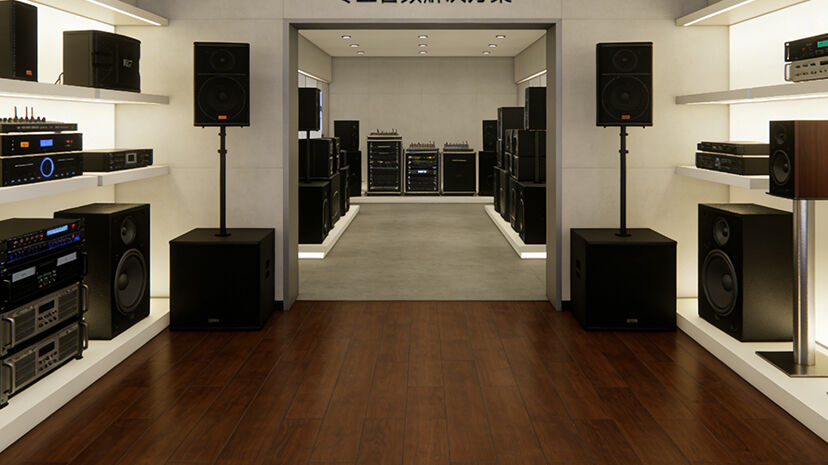
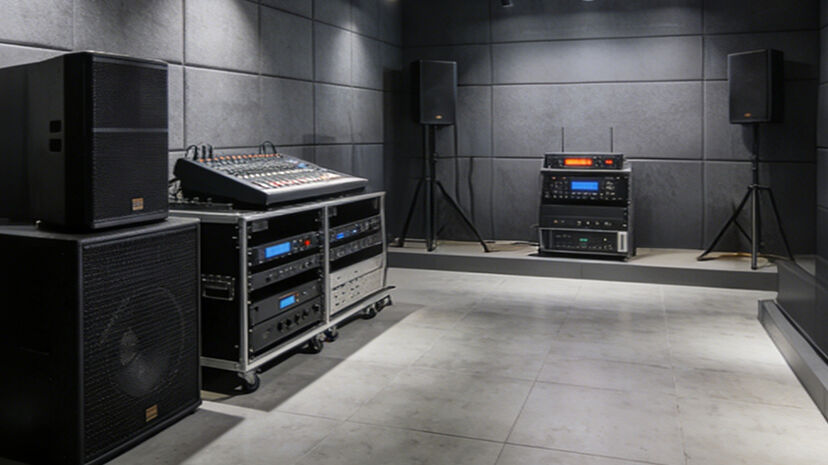
conference room audio system
A conference room audio system represents the technological backbone of modern business communication, designed to deliver crystal-clear sound quality for meetings, presentations, and collaborative sessions. These sophisticated systems integrate multiple audio components to create seamless communication experiences that bridge physical and virtual meeting spaces. The primary function of a conference room audio system centers on capturing, processing, and distributing audio signals with exceptional clarity and minimal latency. Advanced microphone arrays strategically positioned throughout the room ensure every participant's voice is heard clearly, while powerful amplifiers and speakers deliver consistent sound distribution to all attendees. The system typically incorporates noise cancellation technology that filters out background interference, ensuring professional-grade audio quality during critical business discussions. Modern conference room audio systems feature intelligent audio processing capabilities that automatically adjust volume levels, eliminate echo, and suppress feedback. These systems support multiple input sources, allowing seamless integration with various devices including laptops, smartphones, tablets, and video conferencing platforms. Wireless connectivity options enable effortless device pairing, while advanced digital signal processing ensures optimal audio performance regardless of room acoustics. The technological architecture includes sophisticated algorithms that adapt to different room sizes and layouts, providing consistent audio coverage whether the space accommodates five participants or fifty. Integration capabilities extend beyond basic audio functions, as these systems often connect with lighting controls, room scheduling platforms, and building management systems. The conference room audio system serves diverse applications across industries, from corporate boardrooms conducting strategic planning sessions to educational institutions facilitating remote learning environments. Healthcare facilities utilize these systems for telemedicine consultations, while legal firms depend on them for depositions and client conferences requiring precise audio documentation.
 ×
×


 EN
EN